
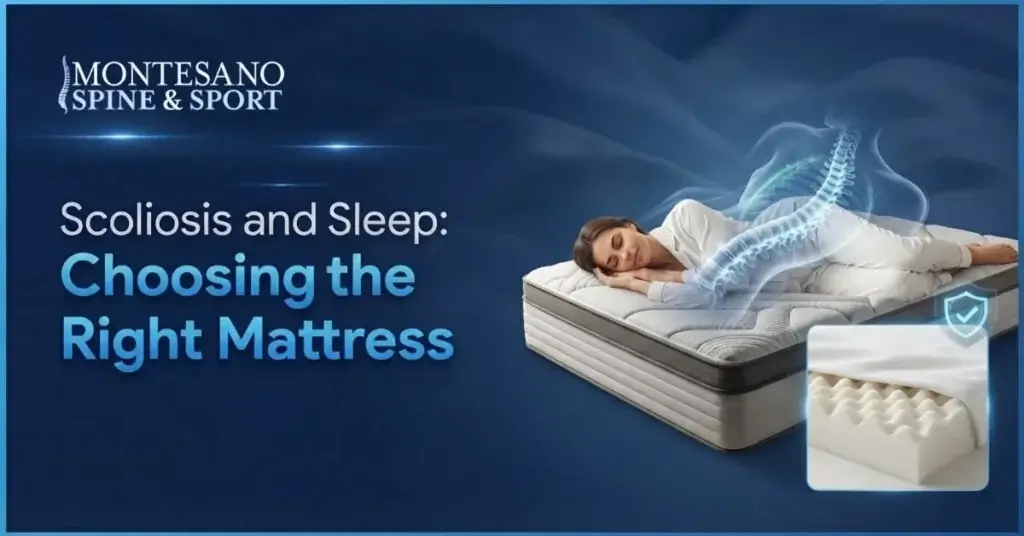

Living with Scoliosis can affect many parts of daily life, including how well you sleep. When the spine curves sideways, the body may not rest evenly on a mattress. This can lead to pressure on certain areas of the back, discomfort during the night, and stiffness in the morning.
For many people with scoliosis, choosing the right mattress can make a noticeable difference. The right support helps keep the spine in a more natural position, reduces pressure points, and allows muscles to relax during sleep. At Montesano Spine & Sport, patients often ask how sleep habits and mattress choices can help support their spine health.
This guide explains what to look for in a mattress and how proper support can help people with scoliosis sleep more comfortably.
Why Sleep Support Matters for Scoliosis
A healthy spine has gentle curves that support balance and movement. With scoliosis, the spine curves abnormally from side to side. Because of this, certain parts of the back may press harder against the mattress while others receive less support.
If the mattress is too soft, the body may sink unevenly and increase spinal strain. If it is too firm, pressure can build around the shoulders and hips. Both situations can lead to poor sleep quality.
A well designed mattress supports the natural alignment of the spine while distributing body weight more evenly. This helps reduce muscle tension and can improve overall sleep comfort.
Mattress Types and Their Benefits
Different mattress materials provide different levels of support and pressure relief. The table below summarizes common mattress types and how they may affect people with scoliosis.
| Mattress Type | Support Level | Pressure Relief | Best For |
| Memory Foam | Moderate to high | Excellent | People who need contouring support |
| Latex | Firm but flexible | Good | Those who prefer natural materials |
| Hybrid | Balanced support | Very good | Combination of comfort and stability |
| Innerspring | Varies widely | Moderate | People who prefer a firmer feel |
Many people with scoliosis find hybrid or memory foam mattresses helpful because they contour to the body while still supporting the spine.
Key Mattress Features to Look For
When selecting a mattress for scoliosis, the goal is to maintain proper spinal alignment during sleep. Consider these important features.
Medium to Firm Support
Most spine specialists recommend a medium to firm mattress. It should be supportive enough to keep the spine stable without creating excessive pressure.
Pressure Point Relief
Areas such as the shoulders, hips, and lower back often experience pressure during sleep. Materials like memory foam or latex can reduce stress on these areas.
Spinal Alignment
A good mattress allows the spine to rest in a neutral position. This helps reduce muscle tension and discomfort overnight.
Durability
Over time, mattresses lose their structure. A mattress that sags can worsen spinal imbalance, so durability is important for long term support.
Sleeping Positions That Help Scoliosis
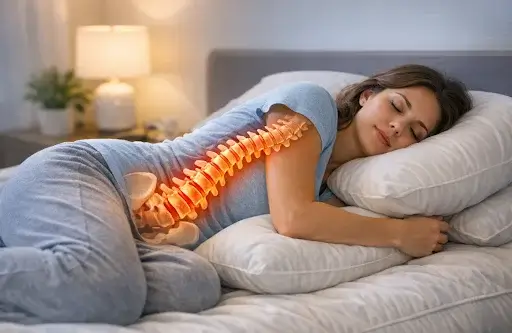
Mattress choice is only part of the solution. Sleep position also plays a role in spinal comfort.
Back sleeping often provides the most balanced support for the spine. Placing a pillow under the knees can help maintain natural curvature.
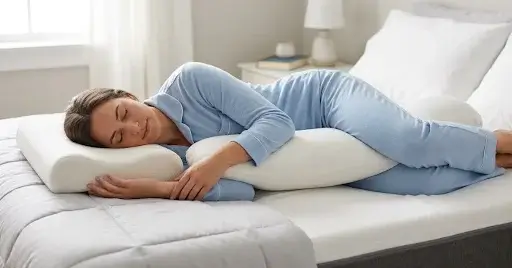
Side sleeping is another common option. A pillow between the knees helps keep the hips aligned and reduces spinal twisting.
Stomach sleeping may place strain on the neck and lower back. Many spine specialists recommend avoiding this position if possible.
When to Seek Professional Advice
Persistent back pain, worsening curvature, or poor sleep quality may indicate the need for professional evaluation. A spine specialist can assess posture, spinal alignment, and daily habits that affect back health.
Clinics such as Montesano Spine & Sport focus on personalized care for spine conditions. Treatment plans may include physical therapy, posture correction, exercise programs, and lifestyle adjustments that improve comfort and mobility.
Request an Appointment
If back pain or poor sleep is affecting your daily life, professional care can help. The team at Montesano Spine & Sport provides personalized treatment plans designed to support spine health and improve quality of life.
Phone: +1 941-402-4003
Website: spinedocs.org