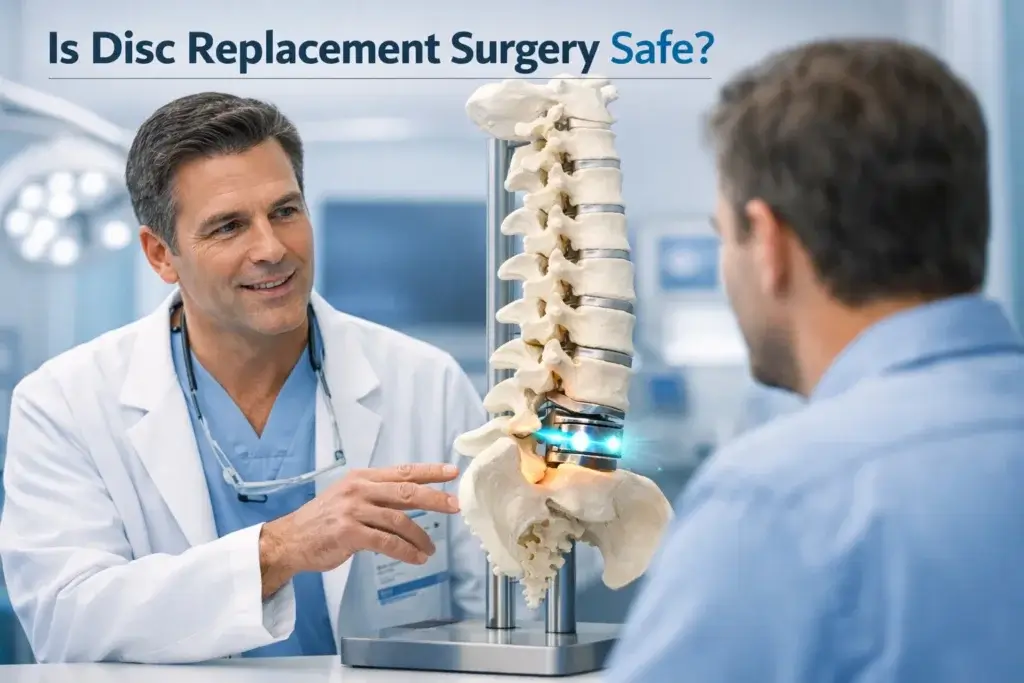
Back pain can affect every part of daily life, from simple movements to long-term mobility. When conservative treatments no longer provide relief, many patients begin exploring surgical options. One procedure that often comes up is total disc replacement surgery. A common question patients ask is simple and important: is total disc replacement surgery safe?
Artificial disc replacement is designed to remove a damaged spinal disc and replace it with a device that maintains movement between the vertebrae. Unlike traditional fusion, which limits motion, this procedure aims to preserve how your spine naturally works. For many patients, that benefit alone makes it worth considering. Still, understanding the safety profile, risks, and long-term outlook is essential before making a decision.
At Montesano Spine & Sport, the focus is on helping patients make informed, confident choices about their spine health.
Evaluating Disc Replacement Safety
Disc replacement surgery has shown strong outcomes in carefully selected patients. Many individuals report meaningful pain relief and improved mobility after recovery. When performed by an experienced spine specialist, the procedure is widely considered safe.
One of the key advantages is motion preservation. Keeping natural movement in the spine may help reduce stress on nearby discs, which can lower the risk of future degeneration in surrounding areas.
Surgical Risks and Complications

Like any surgery, disc replacement carries potential risks. Understanding these helps patients prepare and take an active role in recovery.
Intraoperative Risks
These risks occur during surgery and may include nerve irritation, blood vessel injury, or reactions to anesthesia. Surgeons use advanced imaging and refined techniques to reduce these risks significantly.
Approaching the spine from the front of the body is a common technique. It helps avoid major spinal nerves and can support a smoother recovery process.
Postoperative Complications
After surgery, the healing phase begins. Some patients may experience temporary pain, swelling, or infection at the incision site. Following recovery guidelines is critical.
Patients are usually advised to avoid heavy lifting, limit physical strain, and attend follow-up visits. Physical therapy plays an important role in regaining strength and mobility.
Long-term Risks
Artificial discs are designed for long-term use. In rare cases, the implant may shift or wear over time. Regular monitoring helps detect any issues early.
Most patients experience long-lasting relief and improved function, especially when they follow their recovery plan closely.
Disc Prosthesis and Allergic Reactions
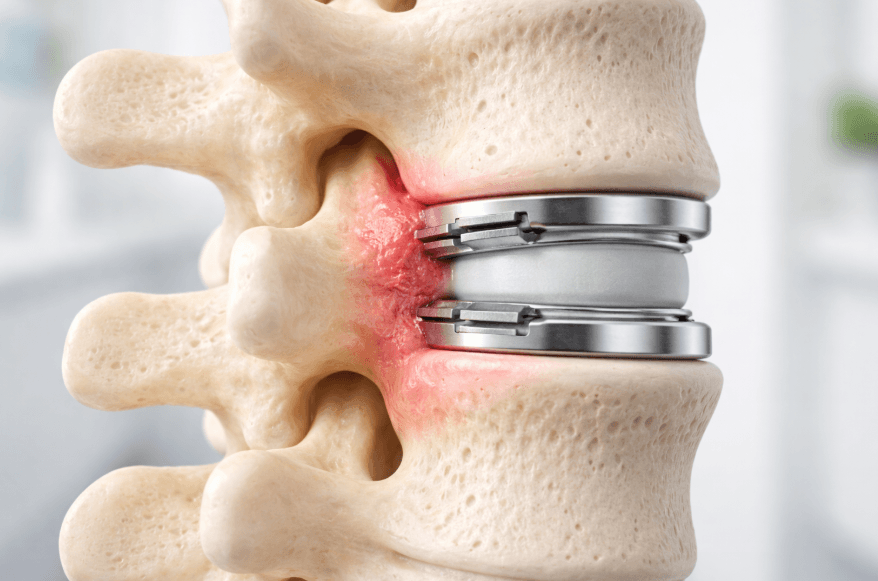
Artificial discs are made from materials commonly used in medical implants. These materials are designed to be safe and compatible with the body.
Allergic reactions are uncommon, but they are still considered during the evaluation process. If needed, testing can help determine the best implant choice for each patient.
Advances in Disc Replacement Technology
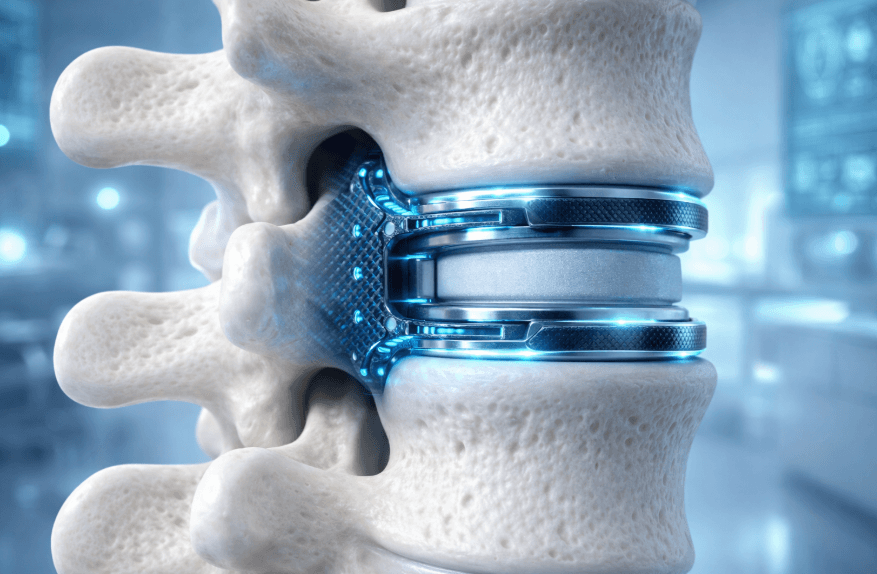
Disc replacement technology continues to improve. Modern implants are designed to mimic natural movement more closely, which supports better flexibility and comfort.
Surgeons now use more precise tools and imaging systems, allowing for better placement and reduced surgical risk. These improvements have made the procedure more reliable and accessible.
Patient Selection and Preoperative Considerations

Not everyone is a candidate for disc replacement surgery. Proper evaluation plays a major role in safety and long-term success.
Doctors review medical history, perform imaging tests, and assess overall health. Non-surgical treatments are often explored first. Surgery is considered when these options no longer provide relief and all conservative measures have been exhausted.
Patients who are in good health and have specific disc-related issues tend to see the best results.
To understand the procedure in more detail, visit:
What is Total Disc Replacement:
Comparing Safety with Alternative Treatments
Spinal fusion has been a standard treatment for many years. It stabilizes the spine by joining vertebrae together, but it limits movement.
Disc replacement offers a different approach by preserving motion. This can support a more natural spine function and may reduce stress on nearby discs.
However, fusion may still be the better choice in certain situations. The right treatment depends on the patient’s condition and long-term goals.
Learn more about how these treatments compare:
Total Disc Replacement vs Spinal Fusion:
Disc Replacement vs Spinal Fusion
| Feature | Disc Replacement | Spinal Fusion |
| Motion Preservation | Yes, maintains natural movement | No, limits movement |
| Recovery Time | Often shorter | Usually longer |
| Stress on Nearby Discs | Lower | Higher |
| Implant Longevity | Long-term durability | Permanent fusion |
| Ideal Candidates | Active patients with disc damage | Patients with instability or severe degeneration |
| Risk Profile | Low with proper selection | Slightly higher due to invasiveness |
Request an Appointment

If you are living with back pain and want to explore safe and effective treatment options, the team at Montesano Spine & Sport is here to help.
Call +1 941-402-4003 to schedule your consultation and take the first step toward a more comfortable and active life.