

Spinal stenosis can cause persistent pain which can make daily activities challenging. There’s currently no cure for spinal stenosis, but there are things you can do to help alleviate the pain such as adjusting to a healthy diet and exercising daily.
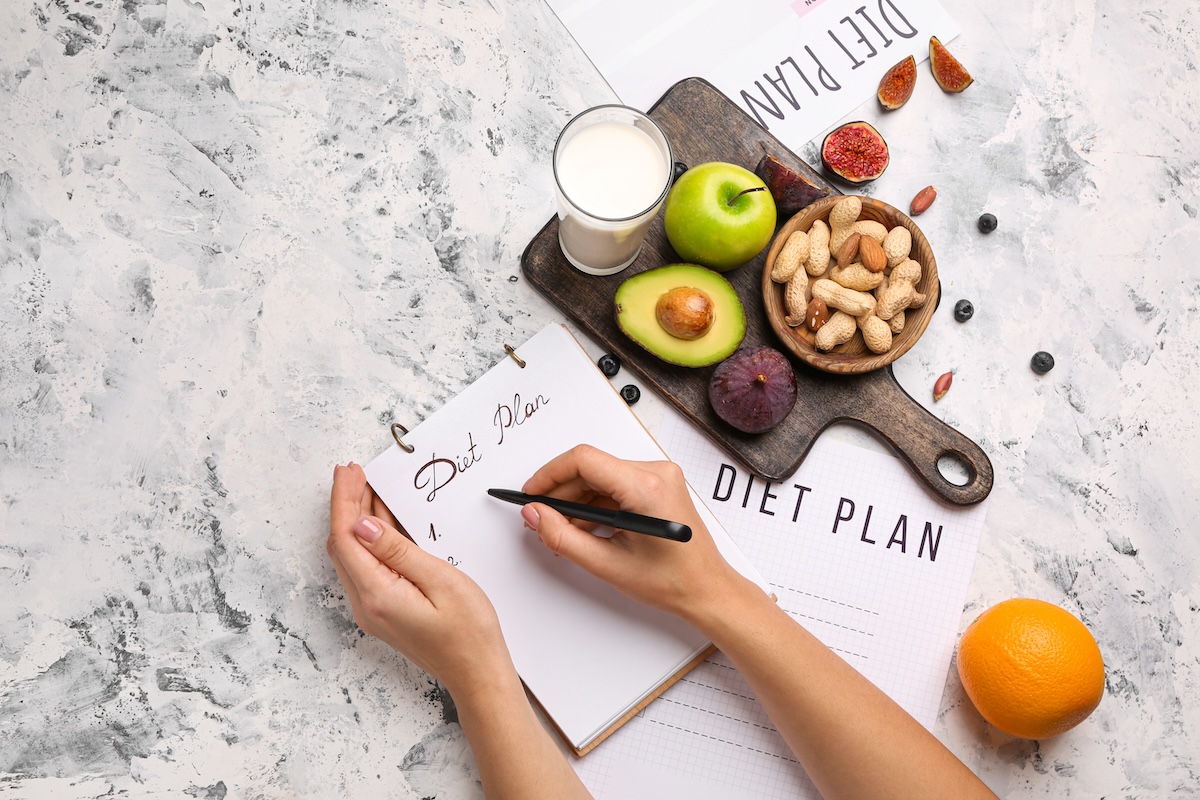
- Focus on Anti- Inflammatory Foods: Eating foods that are rich in antioxidants and omega-3 fatty acids can help to fight inflammation. Some delicious foods that help to fight inflammation are salmon, berries, nuts, and oats.
- Maintain a Healthy Weight: Excess weight puts unnecessary strain on the spine. Focus on low-calorie foods to help you manage your weight. Exercising around 30 minutes every day can also help to maintain a healthy weight.
- Stay Hydrated: Proper hydration is not only important for your overall health, but plays a key role in spine health. Try to avoid dehydrating beverages such as caffeine and alcohol.
Spinal stenosis can cause persistent discomfort that often interferes with everyday tasks. This condition happens when the spaces within your spine narrow, putting pressure on the spinal cord and nerves. While there’s no permanent cure, certain lifestyle changes can significantly reduce pain and improve your quality of life.
Your diet, weight, hydration, and daily habits all play a role in managing this condition. By making a few conscious changes, you may be able to reduce inflammation, ease back pain, and regain control of your routine.
Focus on Anti-Inflammatory Foods
One of the simplest ways to fight spinal stenosis pain is by eating foods that reduce inflammation. Chronic inflammation can worsen the pressure on your spinal nerves, leading to more intense pain.
Include these foods in your diet regularly:
- Salmon and other fatty fish – rich in omega-3 fatty acids
- Blueberries, strawberries, and cherries – high in antioxidants
- Nuts and seeds – contain healthy fats and magnesium
- Whole grains like oats and brown rice – packed with fiber
- Leafy greens – spinach and kale provide vitamin K and other nutrients
Try to limit processed snacks, fried foods, and added sugars. These may trigger inflammation and make your symptoms worse over time.
Maintain a Healthy Weight
Carrying extra weight increases the load on your spine. This added stress can cause further compression and discomfort, especially in the lower back. Reaching and maintaining a healthy weight can ease pressure on the nerves and make movement less painful.
Here are a few helpful habits:
- Choose low-calorie, nutrient-dense foods like vegetables, lean proteins, and legumes
- Avoid sugary drinks and instead drink water or unsweetened herbal teas
- Practice portion control and eat slowly to avoid overeating
- Add 30 minutes of gentle exercise to your routine most days of the week
Even losing just a few pounds can make a noticeable difference in your pain levels.
Stay Hydrated for Better Spine Health
Water helps your spinal discs stay flexible and strong. Dehydration can lead to disc shrinkage and increase the likelihood of stiffness or pain. It may also slow down your body’s natural healing process.
Here’s how to stay well hydrated:
- Drink at least 8 to 10 cups of water a day
- Increase water intake during hot weather or after sweating
- Limit dehydrating drinks such as coffee, soda, and alcohol
- Carry a reusable water bottle to remind yourself to sip throughout the day
Drinking water is one of the easiest ways to support your spine and reduce discomfort.
Add Gentle Movement to Your Routine
Although it might seem counterintuitive, regular movement can reduce stiffness and prevent your muscles from weakening. Exercises that support flexibility and strengthen the core muscles are especially helpful for those with spinal stenosis.
Try these low-impact activities:
- Walking – improves circulation and posture
- Stretching – increases flexibility and eases nerve pressure
- Swimming or water aerobics – offers resistance without strain
- Yoga or tai chi – builds strength and balance while calming the mind
Always talk to your doctor or physical therapist before starting a new workout routine. They can help tailor a program based on your symptoms and abilities.
Improve Your Posture Throughout the Day
Poor posture can put more stress on your spine and worsen nerve compression. Whether you’re working at a desk or standing for long periods, posture makes a big difference.
Use these posture-friendly tips:
- Sit with your feet flat on the floor and back supported
- Avoid slouching or leaning forward when using a phone or laptop
- Use a supportive chair with lumbar support when sitting for long periods
- Stand tall with shoulders back and neck aligned
Making these small adjustments can help you feel better by the end of the day.
Get Enough Sleep and Rest
Quality sleep is crucial for healing and reducing inflammation. Pain from spinal stenosis can interfere with sleep, but creating a better bedtime routine may help.
Ways to improve sleep quality include:
- Stick to a regular sleep schedule
- Use a mattress that supports your spine
- Try a pillow between your knees if sleeping on your side
- Avoid caffeine, large meals, and screens before bed
Also, allow time to rest throughout the day. Listen to your body and take breaks when needed.
Consider Natural Supplements (With Caution)
Some supplements may support joint and nerve health. However, always consult your doctor before taking any, especially if you’re on medication.
Common supplements for spinal health:
- Turmeric (curcumin) – known for its anti-inflammatory properties
- Glucosamine and chondroitin – may help with cartilage health
- Vitamin D and calcium – support bone strength
- Magnesium – helps relax muscles and nerves
Natural supplements can be part of a broader wellness plan when used carefully.
Avoid Triggers That Can Worsen Symptoms
There are certain lifestyle habits and choices that might worsen your spinal stenosis pain. Avoiding them can help manage your symptoms better.
Avoid these common triggers:
- High heels or unsupportive shoes
- Heavy lifting without proper technique
- Sitting or standing for too long
- Smoking, which reduces blood flow and weakens spinal tissues
- Stress and anxiety, which may increase muscle tension and pain perception
Being mindful of these factors can help you avoid flare-ups and manage pain more effectively.
Stay Consistent and Track Progress
Relieving spinal stenosis symptoms takes time. Progress might feel slow, but staying consistent with diet, exercise, and healthy habits will add up over time.
Keep a simple journal to track:
- Foods you eat daily
- Activity levels and exercises completed
- Water intake
- Pain levels or symptom changes
- Sleep quality
Monitoring your lifestyle and pain levels helps you spot patterns and adjust your routine when needed.
Final Thoughts
Living with spinal stenosis can be challenging, but you’re not powerless. By focusing on whole foods, hydration, gentle exercise, and smart daily habits, you can take control of your condition. These changes not only help manage pain, but also support your overall health and well-being.
Before making any major lifestyle or diet changes, always speak to a healthcare provider. Your path to relief is personal, but with the right tools, comfort and movement are within reach.