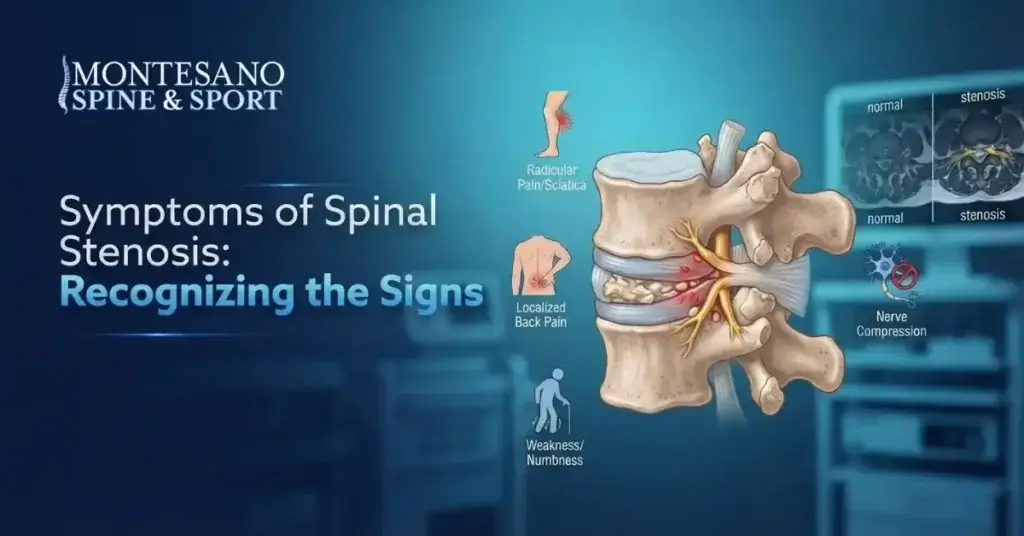

Spinal stenosis is one of the most common spine problems seen in adults over the age of 50. It happens when the space inside the spine becomes narrow and starts to press on the nerves. This pressure can create strong and life-changing symptoms. Many patients ignore early warning signs until their pain reaches an advanced stage. Understanding the worst symptoms can help you act early and prevent long-term nerve damage.
How Serious Can Spinal Stenosis Become?

Spinal stenosis can range from mild stiffness to symptoms that stop you from walking, standing, or even sleeping. A study published in the Journal of Orthopaedic Surgery reported that nearly 40 percent of patients with lumbar stenosis experience daily functional limits. Another research group found that 1 in 5 individuals with cervical stenosis face some degree of nerve weakness if left untreated.
| Symptom Severity | Percentage of Patients Reporting It | Notes from Clinical Studies |
| Leg pain during walking | 60 percent | Often linked to lumbar compression |
| Numbness or tingling in legs | 55 percent | May worsen with standing |
| Lower back pain | 70 percent | Most common early-stage symptom |
| Balance issues | 30 percent | Seen in moderate to severe stenosis |
| Muscle weakness | 20 to 35 percent | Indicates nerve root involvement |
| Loss of bladder control | Less than 5 percent | Medical emergency requiring urgent care |
These numbers show how common severe symptoms can be, especially when nerve pressure increases over time.
Worst Symptoms of Spinal Stenosis
Below are the symptoms that require the most attention. These warning signs usually show that the nerve compression has become serious.
1. Sharp Leg Pain While Walking or Standing
This is one of the strongest markers of lumbar spinal stenosis. The pain often starts in the lower back and travels down the legs. Many patients say they can walk only a short distance before they need to sit. This is called neurogenic claudication. When sitting or bending forward, the pain usually reduces.
If you feel intense leg pain each time you walk, the nerve pressure is likely growing.
2. Constant Numbness or Tingling in the Arms or Legs
A steady feeling of pins and needles means the nerves are losing space and struggling to send signals. Occasional numbness may not be alarming, but daily numbness points to a deeper issue. Once the nerve becomes irritated for a long period, the effects can be permanent if untreated.
3. Muscle Weakness That Affects Grip or Walking
Weakness is more serious than pain. It signals that the nerve roots are not controlling the muscles properly. You may notice your grip becoming weak, your legs giving out, or trouble climbing stairs. This often shows up in patients with cervical stenosis and can move from mild to severe very quickly.
4. Trouble with Balance and Coordination
If spinal stenosis affects the spinal cord or several nerve roots, you may feel unsteady on your feet. Some patients drift while walking. Others feel like their legs cannot respond fast enough. Balance problems are often ignored, but they can be one of the clearest signs that the spinal cord is under pressure.
5. Severe Back or Neck Pain That Limits Daily Movement
Strong pain that interrupts sleep or daily tasks is a sign that the inflammation around the nerves has increased. Many patients describe a deep throbbing pressure in the lower back or neck. This can spread into the shoulders, arms, hips, or legs.
6. Loss of Bowel or Bladder Control
This is the most dangerous symptom. It happens when the nerves that control these functions are heavily compressed. This is called cauda equina syndrome when it involves the lower spine. It requires urgent medical treatment. If you notice sudden loss of control, numbness in the groin, or difficulty urinating, seek immediate help.
Why You Should Not Ignore These Symptoms
Spinal stenosis does not go away on its own. The nerve pressure tends to increase as the discs degenerate or as bone spurs grow. Delayed treatment can lead to chronic nerve damage that even surgery cannot reverse. Early testing and proper care can stop the condition from progressing.
Treatment Options for Severe Spinal Stenosis

While not every patient needs surgery, severe symptoms usually need a structured treatment plan. Some options include:
Non Surgical Care
- Targeted physical therapy
- Anti inflammatory medications
- Spinal injections
- Activity modification
- Stretching and core stability programs
Advanced Surgical Options
- Minimally invasive decompression
- Total disc replacement
- Spinal fusion
- Reconstruction for deformity
- Procedures that reduce nerve pressure and protect mobility
FAQs
1. What triggers spinal stenosis symptoms to get worse?
Symptoms often get worse due to aging, disc degeneration, bone spurs, heavy lifting, long periods of standing, or carrying extra weight. When the space around the nerves becomes smaller, the pain and numbness increase.
2. Can spinal stenosis heal without treatment?
Spinal stenosis does not reverse on its own. While some people feel better with rest or light exercises, the narrowing itself does not go away. Early treatment can slow progress and protect nerve function.
3. What type of doctor treats spinal stenosis?
Spinal stenosis should be treated by a spine specialist. At Montesano Spine & Sport, Dr. Pasquale X. Montesano is a fellowship trained orthopaedic spine surgeon who treats all stages of stenosis with both surgical and non surgical methods.
4. Is spinal stenosis permanently disabling?
Not always. Many patients manage symptoms well with proper treatment. But when ignored, severe nerve pressure can create permanent weakness or numbness. Early diagnosis is important to prevent long term damage.
5. When do I need surgery for spinal stenosis?
Surgery is usually considered when pain limits daily life, when walking becomes difficult, or when there is weakness, balance issues, or loss of bladder control.
6. Does spinal stenosis get worse with walking?
Yes. Many patients feel more pain while standing or walking because the spinal canal becomes tighter in those positions. Sitting or leaning forward often creates temporary relief.
Book an appointment today.
Call +1 941 402 4003