

Quick Answer
Yes, a pinched nerve in the neck can sometimes cause dizziness, although it is not the most common symptom. Compression of cervical nerves or nearby structures may disrupt normal nerve signals, affecting balance and causing lightheadedness. For example, a person with a herniated cervical disc may experience neck pain along with dizziness. Because dizziness has many possible causes, a medical evaluation is important to identify the underlying condition and rule out more serious problems.
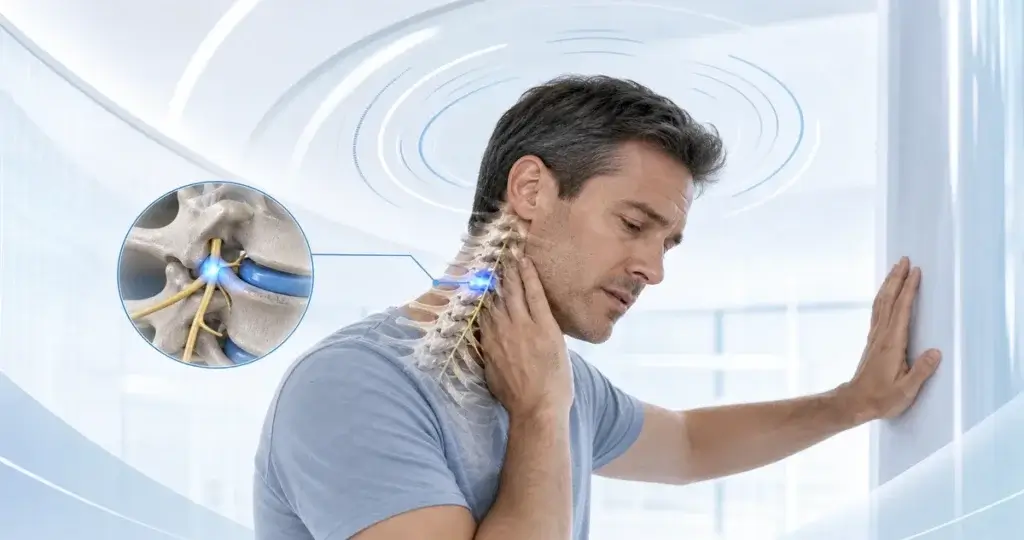
A pinched nerve especially in the neck can sometimes cause dizziness due to disrupted nerve signals or reduced blood flow to the brain. While it’s not a common symptom, it may occur alongside neck pain, tingling, or weakness. Treatment options include physical therapy, medication, posture correction, or, in severe cases, surgery. It’s important to see a doctor if symptoms persist.
Cervical Nerve Compression (Radiculopathy):
Vertebral Artery Involvement:
.
Muscle Tension & Cervicogenic Dizziness
What is a Pinched Nerve?
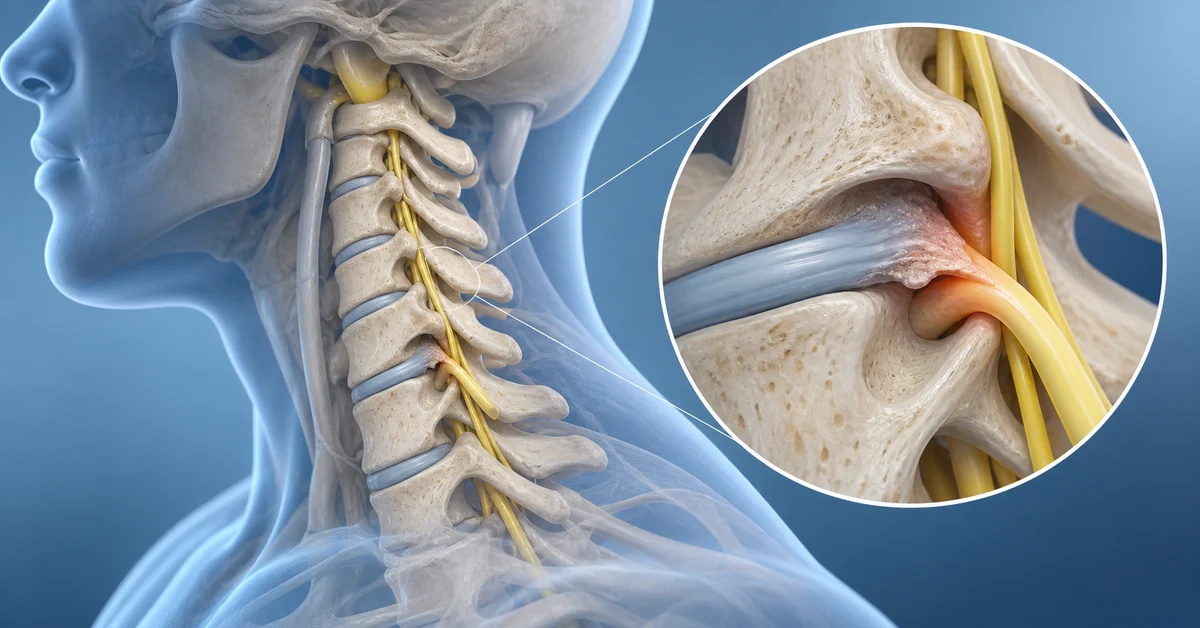
A pinched nerve occurs when too much pressure is placed on a nerve by surrounding tissues such as bones, muscles, or cartilage. This compression interferes with the nerve’s function and can lead to a range of symptoms. In the cervical spine, or neck area, this pressure may affect both sensory and motor functions.
Cervical Nerve Compression (Radiculopathy)

Cervical radiculopathy is the medical term for a pinched nerve in the neck. When a nerve in the cervical spine is compressed, it can cause symptoms like:
- Neck pain
- Numbness or tingling in the arms or shoulders
- Muscle weakness
- A sensation of spinning or lightheadedness
This dizziness may stem from the brain receiving mixed signals due to the nerve interference.
Vertebral Artery Involvement
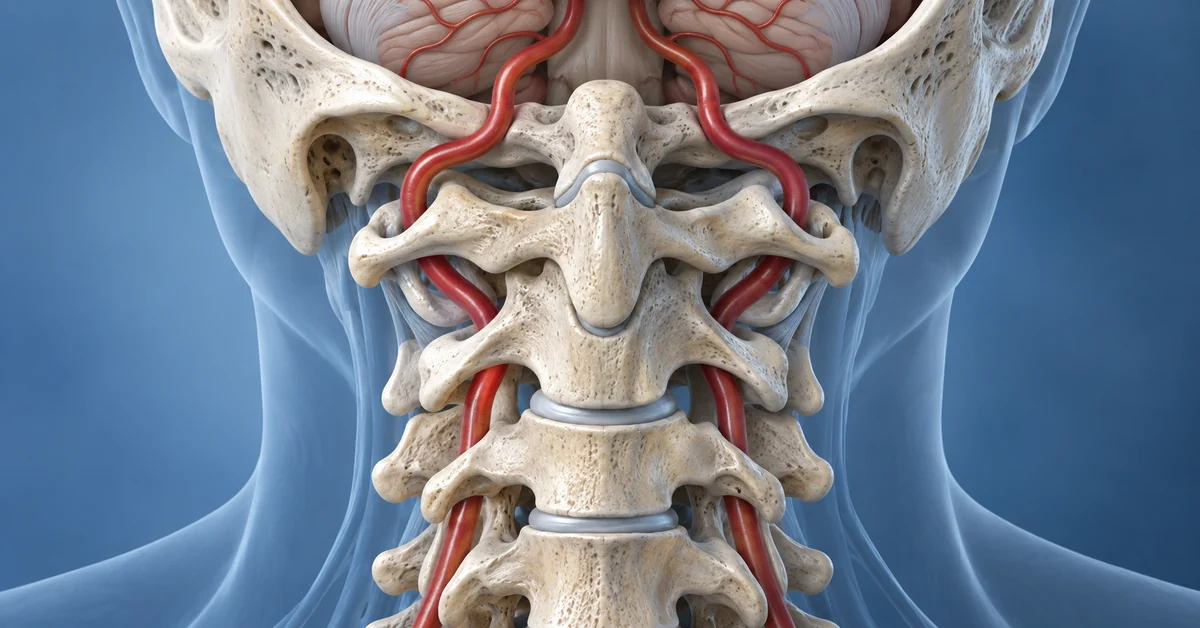
In some cases, cervical spine issues can affect the vertebral arteries. These arteries run along the spine and supply blood to the brain. When a neck movement compresses one of these arteries, blood flow may be reduced. This can lead to dizziness, unsteadiness, or even blurred vision.
Muscle Tension and Cervicogenic Dizziness

Cervicogenic dizziness is a condition caused by problems in the neck. Tight neck muscles or joint dysfunction may affect balance and head positioning. People with cervicogenic dizziness often feel:
- Unsteady or off-balance
- A floating sensation
- Increased symptoms when moving the head or neck
This type of dizziness usually improves when the underlying neck issue is treated.
Additional Causes of Dizziness from Neck Issues

Several other factors related to neck problems can cause dizziness:
Poor Posture
Sitting or standing with poor posture over time may lead to neck strain. This strain can cause nerve compression or tension in the muscles and ligaments that support the neck, contributing to dizziness.
Disc Degeneration
Age-related wear and tear on spinal discs can narrow the space where nerves pass. If the disc compresses a nerve or nearby blood vessel, symptoms like dizziness may follow.
Whiplash or Injury
A sudden injury, such as whiplash from a car accident, may lead to neck inflammation and nerve compression. Dizziness may appear as part of a group of symptoms known as post-whiplash syndrome.
Treatment Options

Managing dizziness from a pinched nerve often requires treating the source of the problem. Options may include:
- Physical therapy: Exercises and manual therapy can help improve mobility and reduce nerve pressure.
- Posture correction: Improving daily posture can prevent further irritation.
- Pain relief medications: Nonsteroidal anti-inflammatory drugs (NSAIDs) may reduce inflammation and discomfort.
- Cervical traction: This therapy gently stretches the neck to relieve nerve pressure.
- Surgery: In severe cases where conservative treatment fails, surgery may be necessary to remove the pressure on the nerve.
When to See a Doctor

It is important to consult a healthcare professional if you:
- Have ongoing or worsening dizziness
- Experience weakness or numbness in your arms or hands
- Notice coordination or balance problems
- Feel dizzy with certain head or neck movements
A doctor may recommend imaging tests such as an MRI or CT scan to understand the root cause of your symptoms.
Final Thoughts

Although a pinched nerve in the neck does not always lead to dizziness, it can happen under certain conditions. Understanding the link between neck health and balance is important for early treatment. If you feel dizzy and also have neck pain or stiffness, don’t ignore it. Talk to a doctor and get the right diagnosis and care.