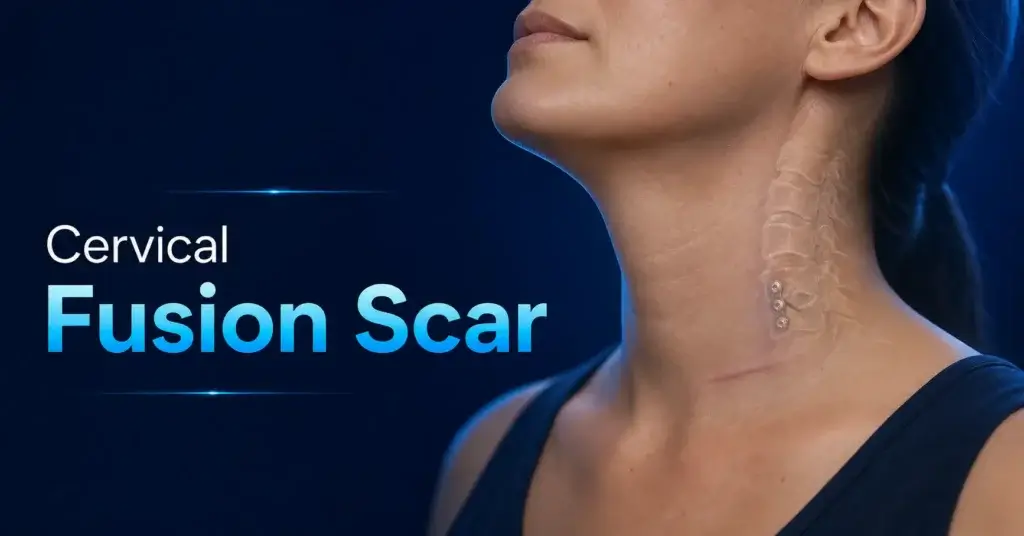
A cervical fusion scar usually heals within 2 to 6 weeks, while the scar continues to fade and mature over 6 to 12 months. Proper wound care, sun protection, and following your surgeon’s instructions help minimize scarring. For example, once the incision is fully closed, your doctor may recommend silicone gel or scar sheets. Healing time varies based on age, health, smoking status, and whether any wound complications develop.

A cervical fusion scar is a normal part of recovery after neck surgery. While many patients worry about how the scar will look or feel, understanding the healing process can ease concerns and support better outcomes. This guide explains what a cervical fusion scar looks like, how it heals, and what you can do to care for it properly.
What Is a Cervical Fusion Scar?

A cervical fusion scar forms after surgery that joins two or more vertebrae in the neck. The incision allows the surgeon to reach the cervical spine and stabilize it using bone grafts, plates, or screws.
The scar’s size, location, and appearance depend on:
- Surgical approach
- Number of levels fused
- Individual healing response
- Skin type and age
Most cervical fusion scars fade over time and become less noticeable within a year.
Common Surgical Approaches and Scar Location
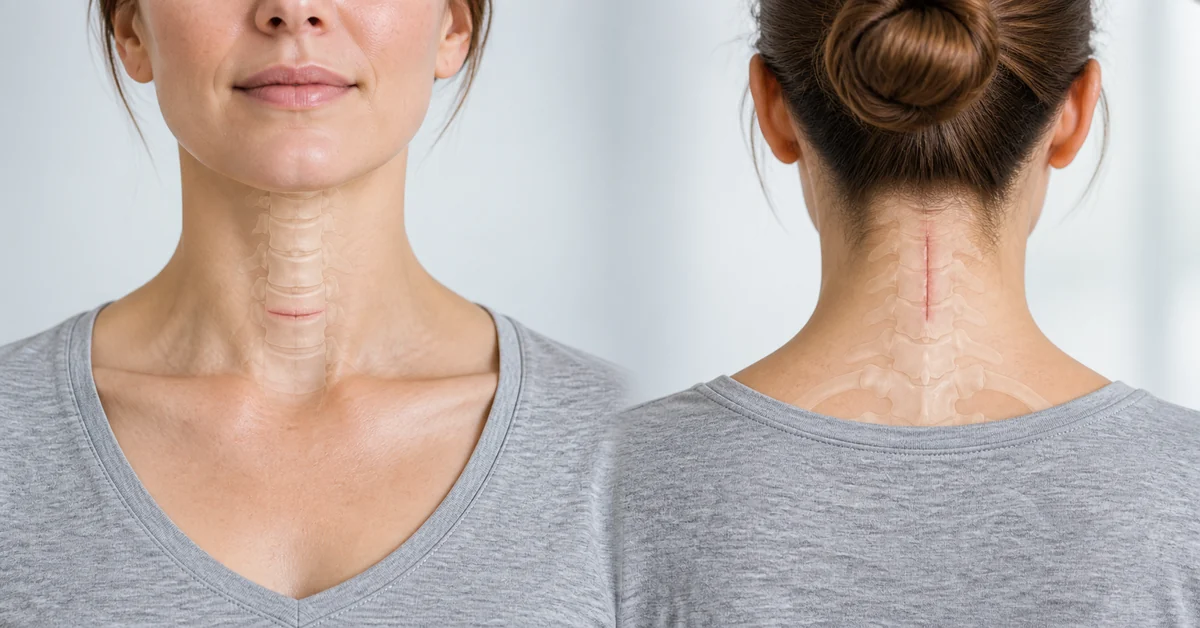
Cervical fusion can be performed using different approaches. Each approach affects where the scar appears.
Anterior Cervical Fusion (Front of the Neck)
- Small horizontal incision
- Usually placed in a natural skin crease
- Less visible over time
Posterior Cervical Fusion (Back of the Neck)
- Vertical incision
- May be longer if multiple levels are fused
- Often hidden by hair
Cervical Fusion Scar Healing Stages
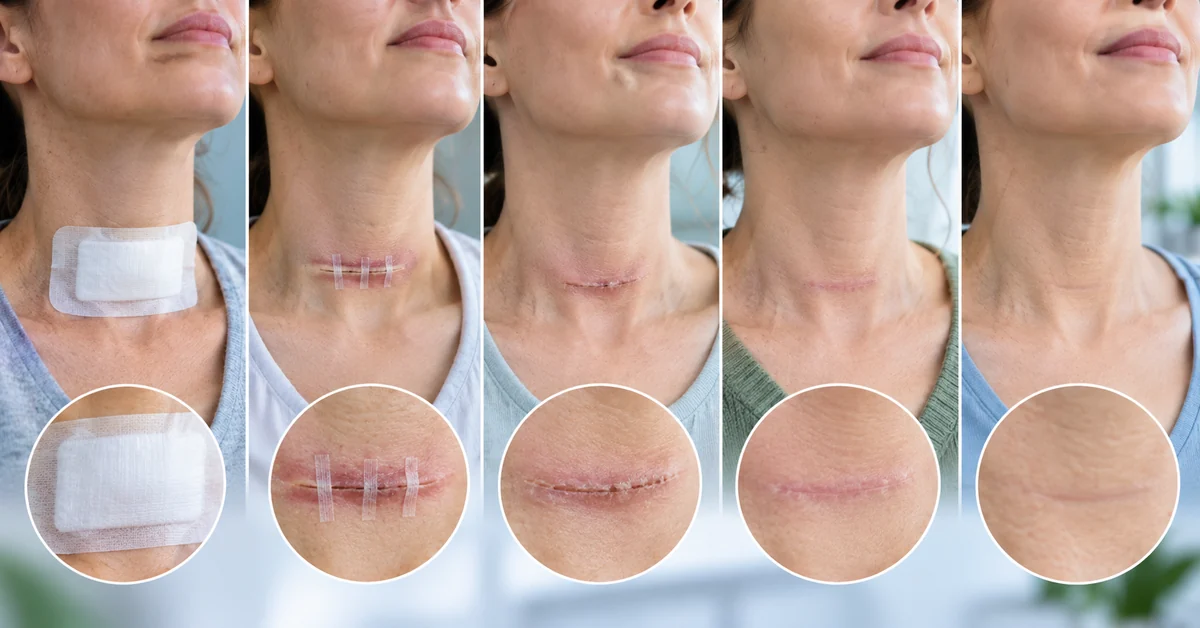
Scar healing happens gradually and follows a predictable pattern.
1. Early Healing (0–2 Weeks)
- Red or pink incision
- Mild swelling and tenderness
- Sutures or surgical glue present
2. Scar Formation (2–6 Weeks)
- Scar becomes firmer
- Itching is common
- Color may darken temporarily
3. Scar Maturation (3–12 Months)
- Scar flattens
- Color fades closer to natural skin tone
- Sensitivity decreases
| Healing Stage | Time Frame | What Patients May Notice |
| Incision closure | 7–14 days | Redness, mild swelling |
| Scar thickening | 2–6 weeks | Firm texture, itching |
| Color fading | 3–6 months | Pink turns light |
| Final appearance | 9–12 months | Flat, soft scar |
Is Scar Pain Normal After Cervical Fusion?

Mild discomfort around the scar is common during early healing. Some patients also report:
- Tightness
- Numbness
- Tingling near the incision
These symptoms usually improve as nerves recover. Persistent pain, drainage, or increasing redness should be reported to your surgeon.
How to Care for a Cervical Fusion Scar

Proper scar care supports healing and reduces irritation.
General Scar Care Tips
- Keep the incision clean and dry
- Avoid direct sun exposure for at least 6 months
- Follow your surgeon’s bathing instructions
- Do not pick scabs or peeling skin
When to Use Scar Treatments
Most surgeons recommend waiting 2–3 weeks before applying:
- Silicone gel or sheets
- Vitamin E-free moisturizers
- Physician-approved scar creams
Always confirm with your doctor before starting any topical product.
Can a Cervical Fusion Scar Be Minimized?

Scars cannot be removed completely, but their appearance can improve.
Factors That Affect Scar Appearance
- Genetics
- Smoking history
- Diabetes
- Proper wound care
- Surgical technique
Minimally invasive methods often result in smaller scars, but not all patients are candidates.
Cervical Fusion Scar Complications (Rare but Possible)

While uncommon, some scar-related issues may occur:
- Hypertrophic scars (raised but contained)
- Keloids (overgrown scar tissue)
- Infection
- Delayed healing
Early evaluation helps prevent long-term concerns.
When to Call Your Spine Surgeon

Contact your doctor if you notice:
- Fever
- Pus or fluid from the incision
- Increasing pain after improvement
- Spreading redness
- Wound opening
Early care helps avoid complications.

Final Thoughts
A cervical fusion scar is only one part of the recovery process. With proper care, realistic expectations, and guidance from a skilled spine surgeon, most patients heal well and return to daily activities with confidence.
📞 Call +1 941-402-4003