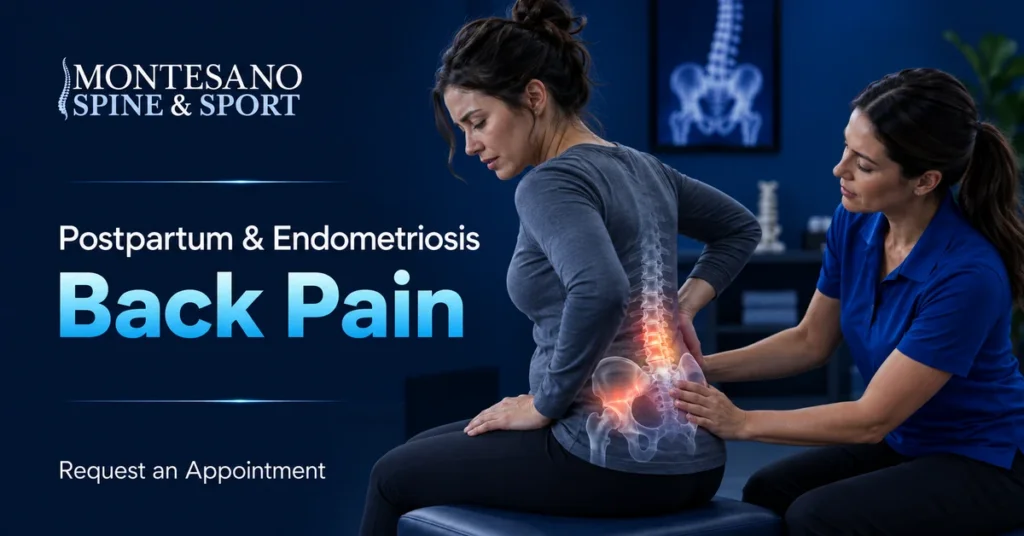
Bringing life into the world is one of the most powerful experiences a woman can go through. Yet, many women notice changes in their bodies long after childbirth. One of the most common issues faced during the postpartum period is spinal pain. On the other hand, women who suffer from endometriosis may also deal with chronic pain, which can often spread to the back. While the two conditions are different, they share one thing in common: back pain can significantly affect quality of life.
In this blog, we will explore postpartum spinal pain, endometriosis, and how these conditions may overlap to cause back pain.
Postpartum spinal pain after delivery
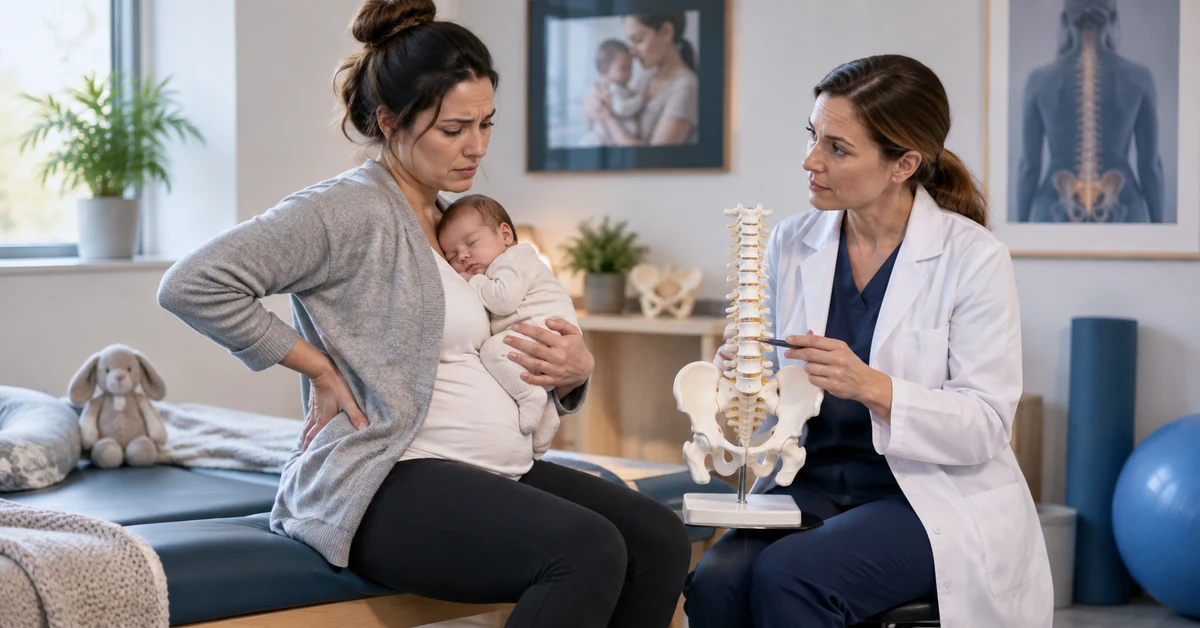
During pregnancy and delivery, a woman’s body goes through enormous physical changes. The spine, hips, and pelvis carry extra weight for months, and the body produces hormones that loosen ligaments to prepare for childbirth. After delivery, many women report pain in the lower back and pelvic region.
Some common causes of postpartum spinal pain include:
- Hormonal changes: Relaxin, a hormone produced during pregnancy, softens ligaments. After birth, instability in joints can lead to back pain.
- Strain from delivery: Pushing during labor places tremendous stress on the lower back and pelvic floor.
- Poor posture: Caring for a newborn often means bending, lifting, and nursing in uncomfortable positions that strain the spine.
- Muscle weakness: Core and back muscles may become weak after pregnancy, reducing spinal support.
In most cases, the pain gradually improves with exercise, posture correction, and physical therapy. However, for some women, the discomfort becomes chronic and may require medical evaluation.
Endometriosis and its link to back pain
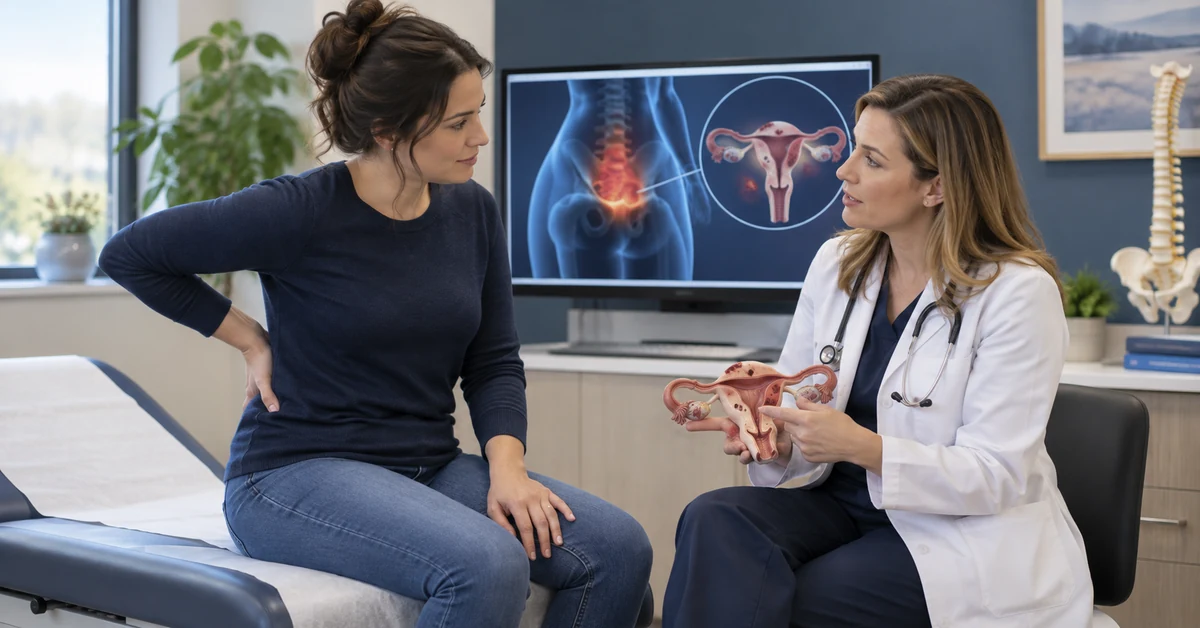
Endometriosis back pain is a common concern for many women. Endometriosis is a condition where tissue similar to the lining of the uterus grows outside it. This tissue can attach to the ovaries, fallopian tubes, and even areas near the spine. It responds to hormonal changes during the menstrual cycle, often leading to severe pain.
Can Endometriosis cause back pain?
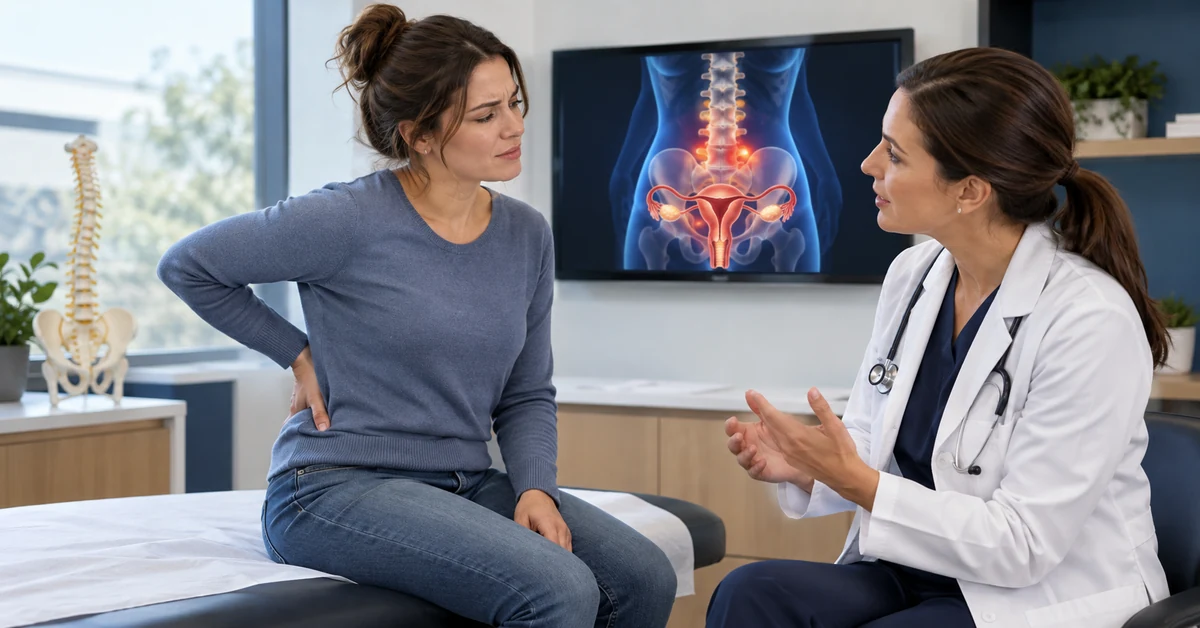
Many women often ask, does endometriosis cause back pain? The answer is yes. Endometriosis can cause back pain in different ways. The pain is often linked to the menstrual cycle, flaring up before or during periods. In advanced cases, it may become constant.
Endometrial tissue outside the uterus can irritate nearby nerves or create inflammation that radiates toward the lower back. This pain may feel deep, throbbing, or sharp, and for some women, it becomes severe enough to interfere with daily life.
How back pain from Endometriosis Differs
- Timing: It often worsens before and during menstruation.
- Location: Pain is usually concentrated in the lower back or pelvic area.
- Associated symptoms: Women may also experience heavy periods, bloating, or infertility.
Distinguishing Between Postpartum Pain and Endometriosis
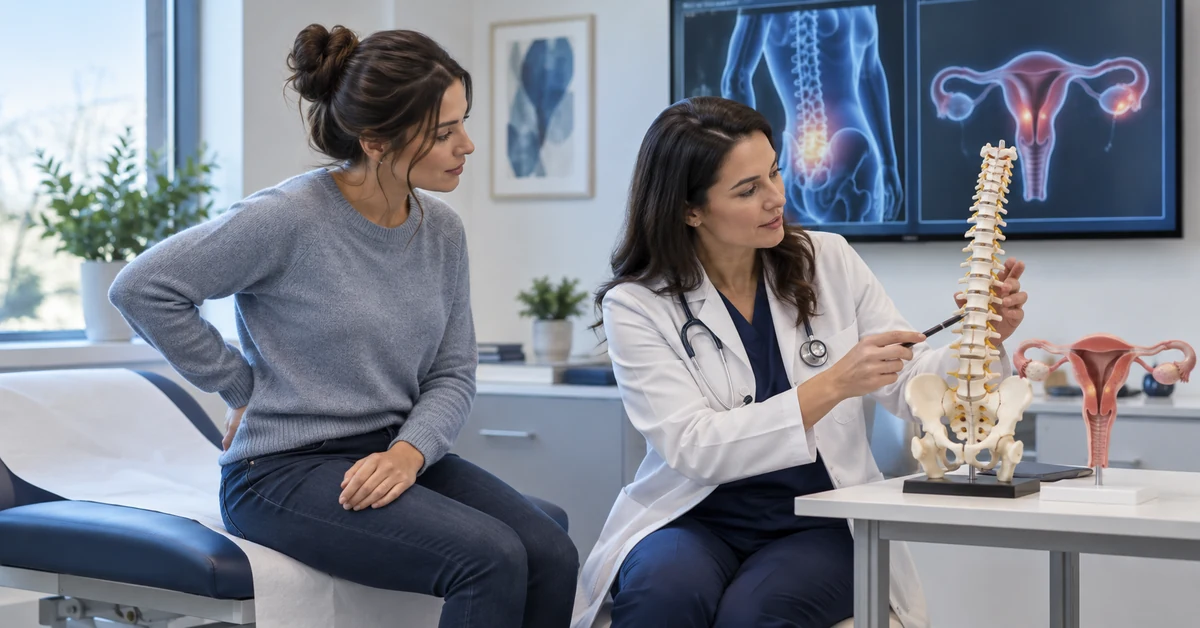
Postpartum spinal pain is often mechanical in nature, meaning it comes from strained muscles, ligaments, or joints. Endometriosis-related pain, on the other hand, is more inflammatory and tied to hormonal changes.
However, some women may deal with both. For example, a new mother with a history of endometriosis may find that her back pain is more severe or harder to manage after childbirth. Identifying the root cause is key to effective treatment.
Managing Spinal and Endometriosis-Related Pain
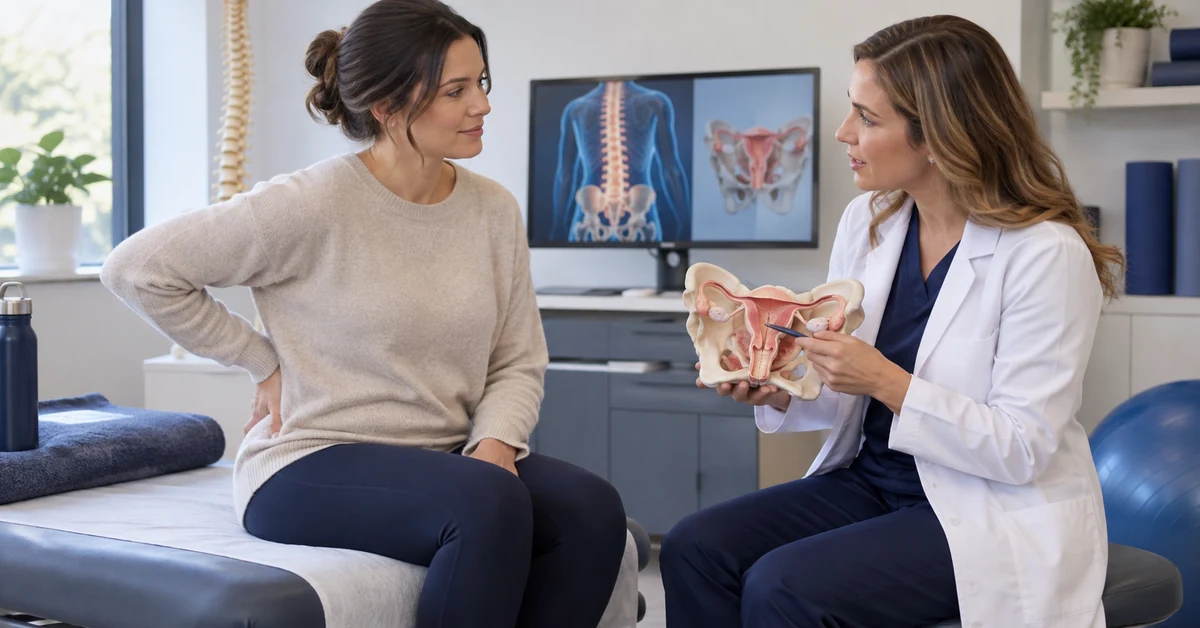
Treatment depends on the underlying cause. Some options include:
- Physical therapy: Strengthening the back and core muscles helps postpartum women recover stability.
- Pain management: Anti-inflammatory medications may help in both postpartum and endometriosis pain.
- Hormonal therapy: For endometriosis, birth control pills, hormone therapy, or other medications can help reduce pain.
- Lifestyle adjustments: Correcting posture, using supportive pillows while nursing, and light exercise can help.
- Surgical options: In severe cases, women with endometriosis may require surgery to remove lesions. For spinal problems that persist after childbirth, minimally invasive procedures may be considered.
When to Seek Medical Help
Back pain should not be ignored, especially if:
- It lasts longer than a few weeks.
- It interferes with daily activities.
- It is associated with leg weakness, numbness, or bladder problems.
- It becomes progressively worse during menstrual cycles.
FAQs
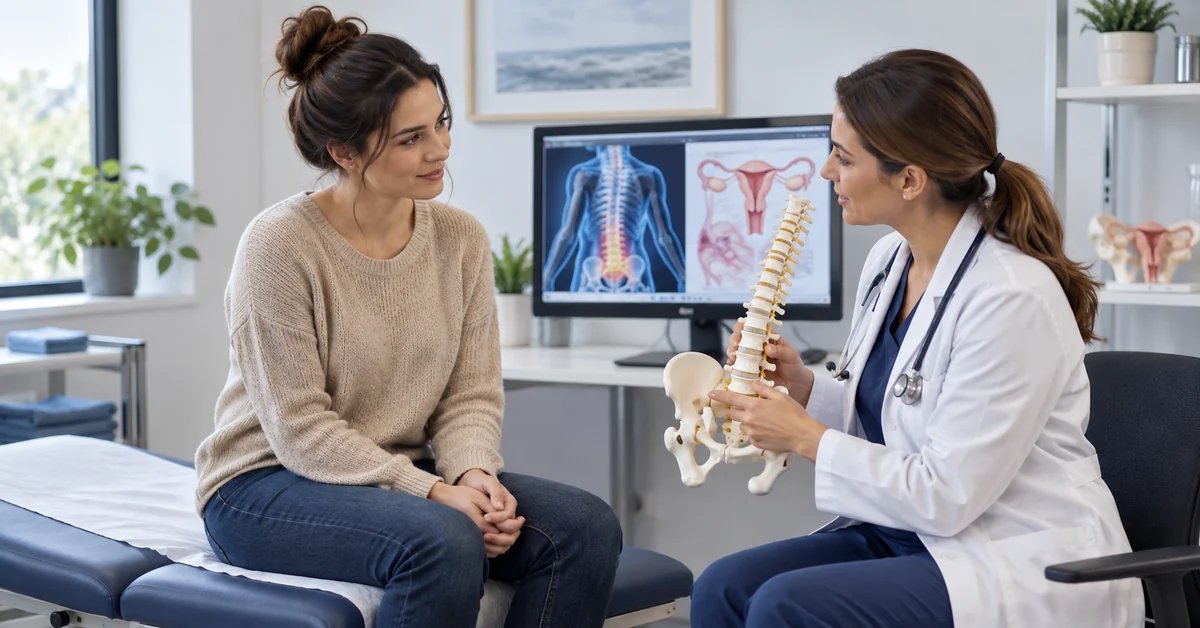
1. Does endometriosis cause back pain?
Yes, endometriosis can cause back pain, especially around the menstrual cycle, and may worsen in advanced cases.
2. Is postpartum back pain normal after delivery?
Yes, many women experience spinal or lower back pain after childbirth due to hormonal, muscular, and posture changes.
3. How can endometriosis back pain be managed?
It can be managed with medications, physical therapy, lifestyle changes, and in severe cases, surgical treatment.
Postpartum spinal pain and endometriosis-related back pain may seem similar, but they arise from different causes. Understanding the source of discomfort is essential for proper treatment. While many cases can be managed through physical therapy and lifestyle changes, persistent or severe pain requires professional evaluation.