
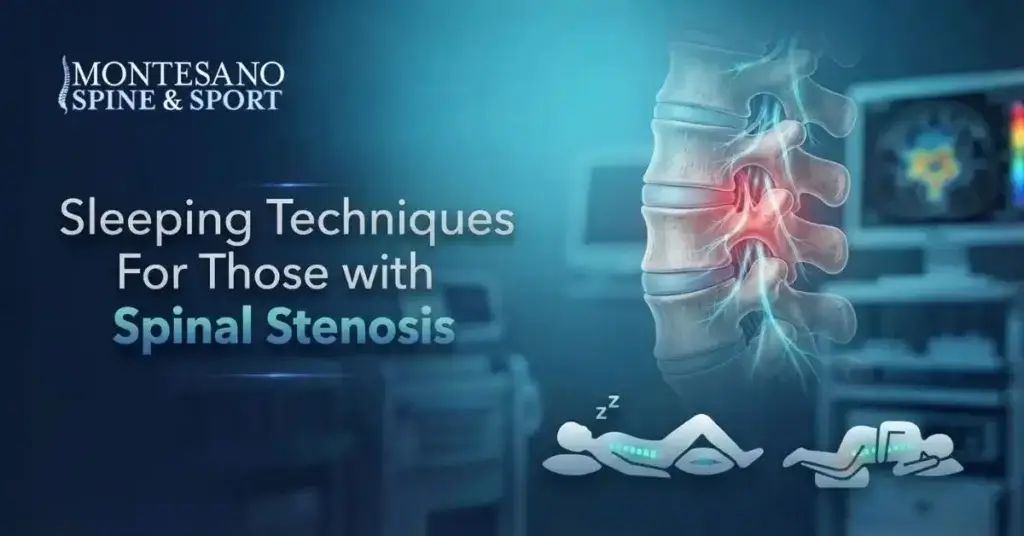

Living with spinal stenosis can make even simple things, like getting a good night’s sleep, difficult. The narrowing of the spinal canal often leads to pain, stiffness, and numbness that can worsen at night if the body is not supported correctly. Choosing the right sleeping position can help reduce pressure on the spine, ease discomfort, and promote restorative sleep.
In this guide, we will look at the best sleeping positions for spinal stenosis, including tips for cervical stenosis, and practical advice on how to set up your bed for maximum comfort.
What Is Spinal Stenosis?
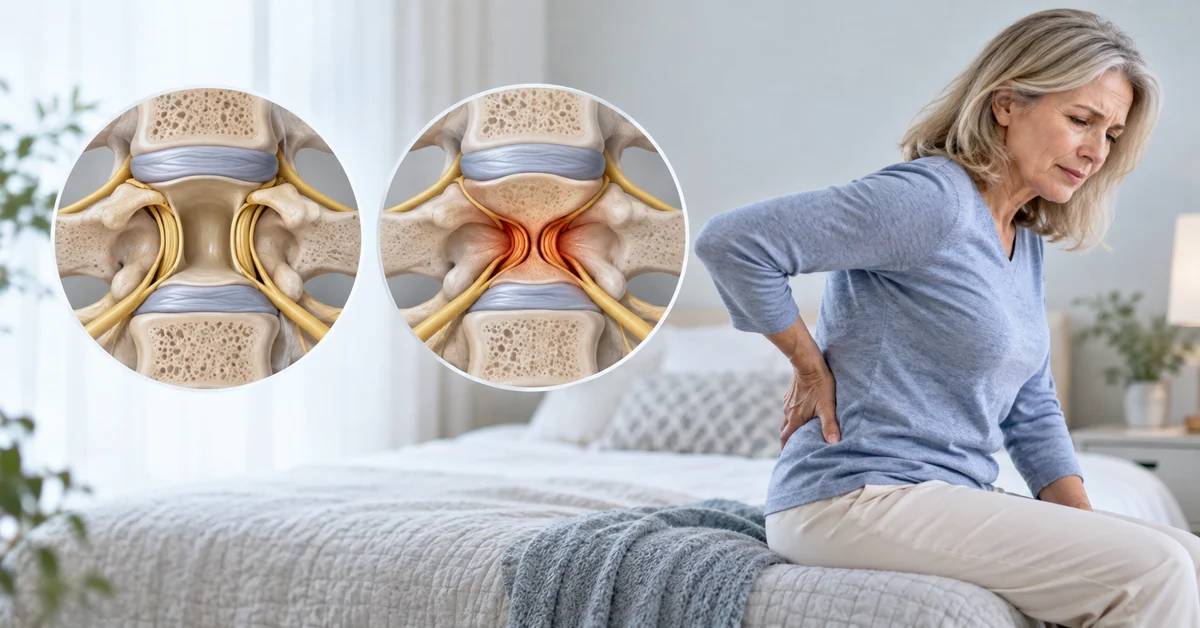

Spinal stenosis is a degenerative condition most commonly seen in the lower back (lumbar region), also called lumbar stenosis or in Spanish “estenosis lumbar”. It develops gradually due to:
- Age-related disc degeneration
- Arthritis of the spine
- Thickened ligaments
- Bone overgrowth (bone spurs)
- Herniated discs
The most common type is lumbar spinal stenosis, which affects the lower back and legs.
Understanding Spinal Stenosis
Spinal stenosis happens when the spaces within your spine narrow, which can put pressure on the nerves. It most commonly occurs in the lower back (lumbar spine) and the neck (cervical spine). Symptoms can include pain, tingling, weakness, and difficulty walking or standing for long periods.
When lying down, certain positions may worsen nerve compression, while others can ease the strain. That is why sleep posture plays such an important role in managing spinal stenosis symptoms.
Best Sleeping Positions for Spinal Stenosis
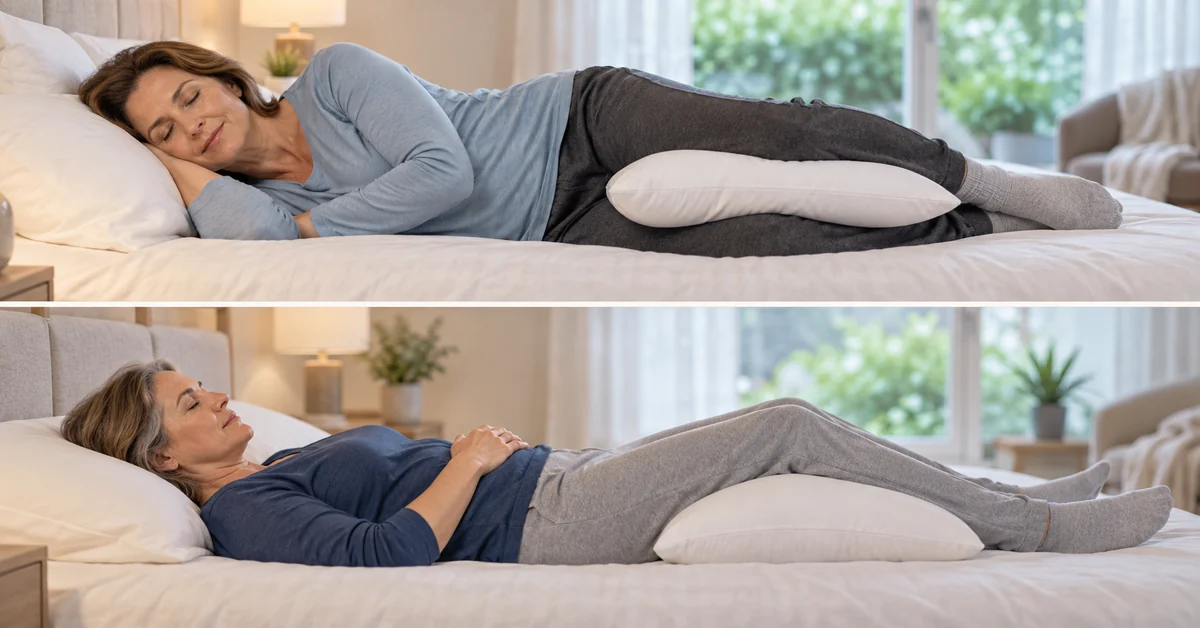
1. Sleeping on Your Side with a Pillow Between the Knees
One of the most recommended positions for lumbar spinal stenosis is lying on your side with a firm pillow between the knees. This helps keep the spine aligned, reduces pressure on the lower back, and prevents the hips from rotating uncomfortably.
Tips for this position:
- Choose a medium-firm mattress for support.
- Use a pillow that supports the head and neck in line with the spine.
- Keep the knees slightly bent rather than tightly curled.
2. Sleeping in a Slightly Reclined Position
Some people with lumbar stenosis feel relief when sleeping in a reclined posture. This position helps open up the spinal canal and reduces nerve compression. You can achieve this with an adjustable bed or by placing a wedge pillow behind your back.
Why it helps: Reclining takes pressure off the spine and can reduce pain in the lower back and legs.
3. Sleeping on Your Back with Support Under the Knees
If you prefer sleeping on your back, place a pillow or rolled blanket under your knees. This reduces the natural curve of the lower spine, decreases pressure, and promotes relaxation of the muscles around the lumbar region.
Additional support tip: A small pillow under the lower back may also provide comfort.
Sleeping Positions for Cervical Stenosis
Cervical stenosis affects the neck and upper spine, so proper head and neck support is key.
Best Practices for Cervical Stenosis Sleep
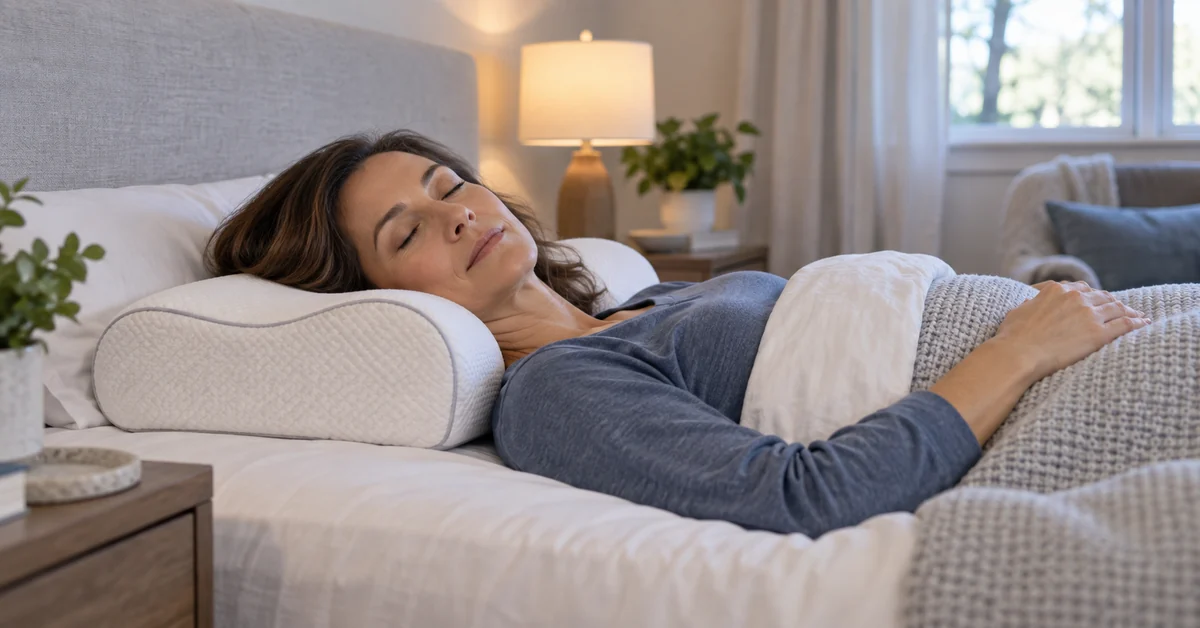
- Use a cervical pillow: Choose a pillow that supports the natural curve of your neck.
- Back sleeping with a neck roll: Lying on your back with a small pillow under the neck can reduce stiffness and nerve irritation.
- Side sleeping with support: Use a pillow that fills the gap between your shoulder and neck, keeping the spine straight.
- Avoid stomach sleeping: This strains the neck and can worsen symptoms.
How to Sleep Comfortably with Spinal Stenosis
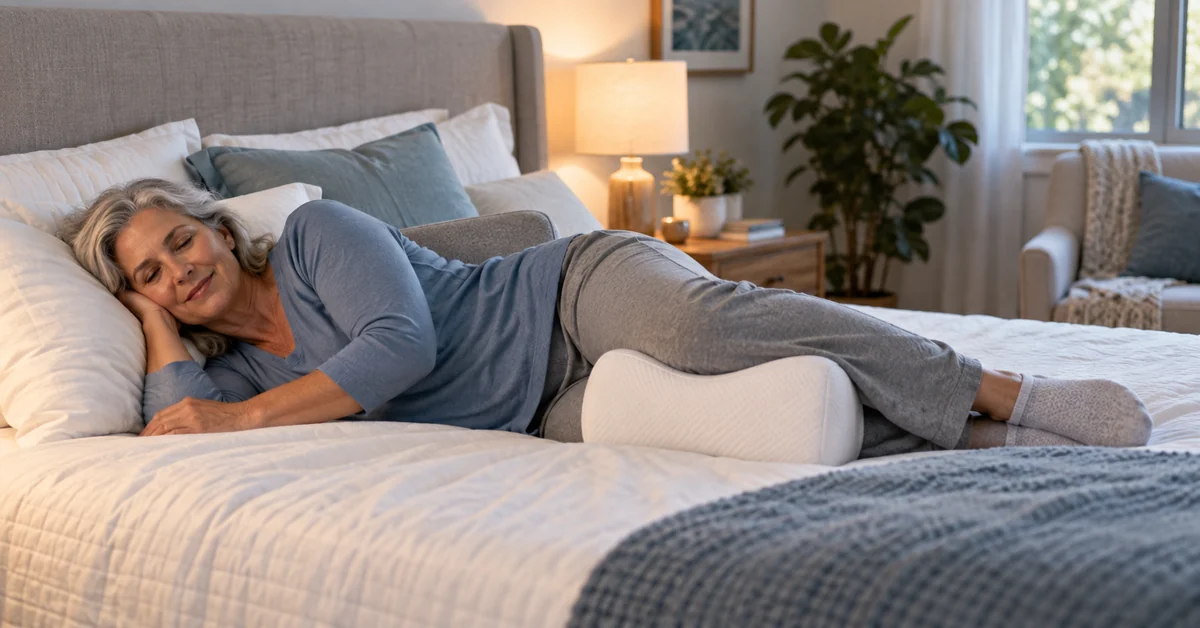
Aside from sleeping position, the setup of your bed and environment makes a big difference.
Mattress Selection
A medium-firm mattress often works best. Too soft can cause sinking and poor alignment, while too firm may create pressure points.
Pillow Support
- Lumbar support pillows for lower back pain
- Wedge pillows for reclined sleeping
- Cervical pillows for neck alignment
Bed Adjustments
If possible, consider an adjustable bed that allows you to raise your head and legs slightly. This mimics a reclined chair position, which can provide significant relief.
Lifestyle Tips for Better Sleep with Spinal Stenosis

- Stretch before bed: Gentle stretches help relax tight muscles.
- Apply heat therapy: A warm compress or heating pad can soothe stiffness.
- Maintain a routine: Going to bed at the same time supports healthy sleep cycles.
- Limit screen time: Reduce phone or TV use before bed to promote relaxation.
What Is the Newest Treatment for Spinal Stenosis?
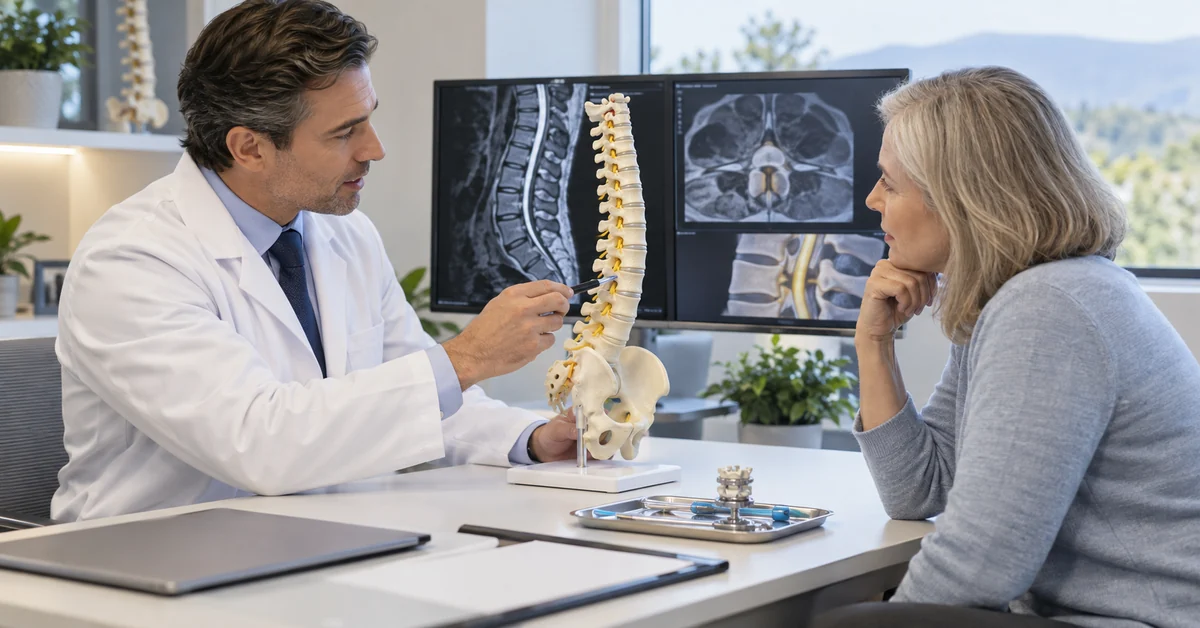
Modern treatment options focus on reducing pressure on nerves while avoiding large open surgeries.
1. Minimally Invasive Spine Surgery (MISS)
Minimally Invasive Spine Surgery
- Uses small incisions and specialized instruments
- Less muscle damage compared to traditional surgery
- Faster recovery and reduced hospital stay
- Common procedures include decompression and micro-laminectomy
2. Image-Guided Decompression
- Uses real-time imaging for precision
- Removes bone or tissue pressing on nerves
3. Interspinous Spacers
- Small devices implanted to keep space open in the spine
- Helps reduce nerve compression during standing/walking
4. Epidural Steroid Injections
- Reduces inflammation around nerve roots
- Provides temporary pain relief
5. Neuromodulation (Spinal Cord Stimulation)
- Electrical impulses interrupt pain signals
- Used in chronic or severe cases when surgery is not ideal
What Is the Best Painkiller for Spinal Stenosis?

The most important step is medical evaluation
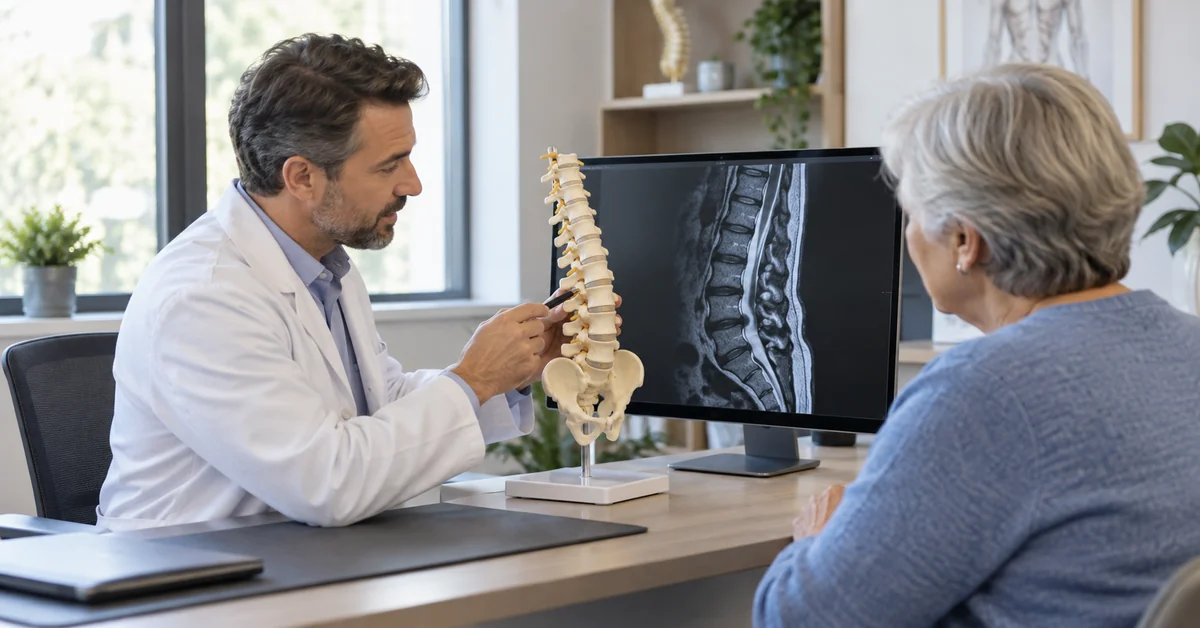
If you are experiencing symptoms of spinal stenosis—such as lower back pain, leg pain, numbness, or weakness—the safest approach is to visit a qualified doctor or spine specialist. After proper examination and, if needed, imaging tests, the doctor will determine:
- The exact cause of your pain
- Whether nerves are compressed
- The severity of stenosis
- Any underlying conditions (arthritis, disc issues, etc.)
Pain management is personalized
A doctor will then recommend a pain management plan based on your specific condition. This may include medication, physical therapy, injections, or other treatments, depending on what is medically appropriate for you.
Self-medicating can be risky because certain painkillers may not be suitable for everyone, especially if there are stomach, kidney, heart, or nerve-related concerns.
FAQs

Can I sleep on my stomach with spinal stenosis?
It is not recommended. Stomach sleeping puts extra pressure on the spine and twists the neck, which can worsen symptoms.
What type of pillow should I use for cervical stenosis?
A cervical or contoured pillow that supports the natural curve of your neck is best. Memory foam or orthopedic pillows work well.
Do I need a special mattress for spinal stenosis?
You do not necessarily need a medical mattress, but a medium-firm option that balances comfort and support is ideal. Adjustable beds can also provide added relief.
Will changing my sleeping position cure spinal stenosis?
No, but it can significantly reduce symptoms and improve quality of sleep. Proper posture combined with medical treatment and lifestyle adjustments can help manage the condition.
Final Thoughts

Finding the best sleeping position for spinal stenosis takes some trial and error. What works for one person may not work for another. However, most people find relief by sleeping on their side with support, reclining slightly, or lying on their back with a pillow under the knees. For cervical stenosis, proper neck alignment with a supportive pillow is key.
Quality sleep is essential for healing and managing pain. With the right adjustments, you can create a restful sleep routine that supports your spine and eases discomfort.