
What is a Fractured Spine?

A fractured spine, also called a spinal fracture, occurs when one or more bones in the spinal column (vertebrae) break or crack due to trauma, disease, or weakening of the bones. Since the spine protects the spinal cord, any fracture can be serious and may lead to nerve damage or long-term complications.
Fractures can range from mild compression cracks to severe breaks that destabilize the spine. They are not limited to high-impact accidents, conditions like osteoporosis can also make the bones weak and prone to fractures.
Types of Spinal Fractures
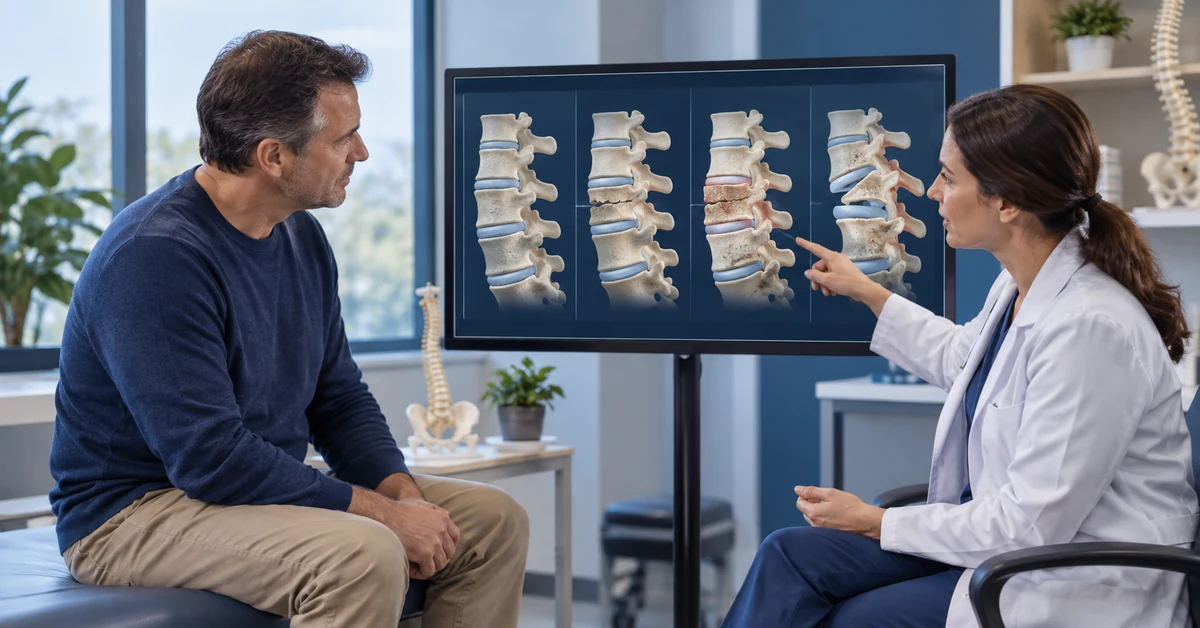
Spinal fractures are categorized by the nature of the break and its effect on the spinal column. Some of the most common types include:
1. Compression Fractures
This type is most common in people with osteoporosis. The vertebra collapses due to weak bone structure, often causing a wedge-shaped deformity. Many compression fractures occur in the thoracic spine (middle back).
2. Burst Fractures
Unlike compression fractures, burst fractures happen when the vertebra is crushed in multiple directions, often from high-impact accidents. Fragments may spread out and put pressure on the spinal cord or nerves, making them more dangerous.
3. Flexion-Distraction Fractures
These occur when the spine is pulled apart, often in motor vehicle accidents where a seatbelt holds the pelvis but the upper body moves forward with force. This can lead to damage of both the bone and surrounding soft tissue.
4. Fracture-Dislocations
These are severe injuries where the vertebra both fractures and shifts out of position. They often cause instability and have a high risk of spinal cord injury.
5. Chance Fractures
A type of flexion-distraction injury, usually seen in car accidents with lap seatbelts. It involves both bone and ligament injuries, creating instability.
Symptoms and Causes

Symptoms
- Sudden, severe back pain
- Pain that worsens with movement
- Limited mobility or difficulty standing upright
- Numbness, tingling, or weakness in the arms or legs (if nerves are affected)
- Loss of bladder or bowel control in severe cases
Causes
Spinal fractures occur due to two main categories:
- Trauma
- Car accidents
- Falls from significant heights
- Sports injuries
- Violent impacts
- Medical Conditions
- Osteoporosis (weak, brittle bones)
- Cancer spreading to the bones (metastasis)
- Infections or other diseases weakening the spine
Diagnosis and Tests
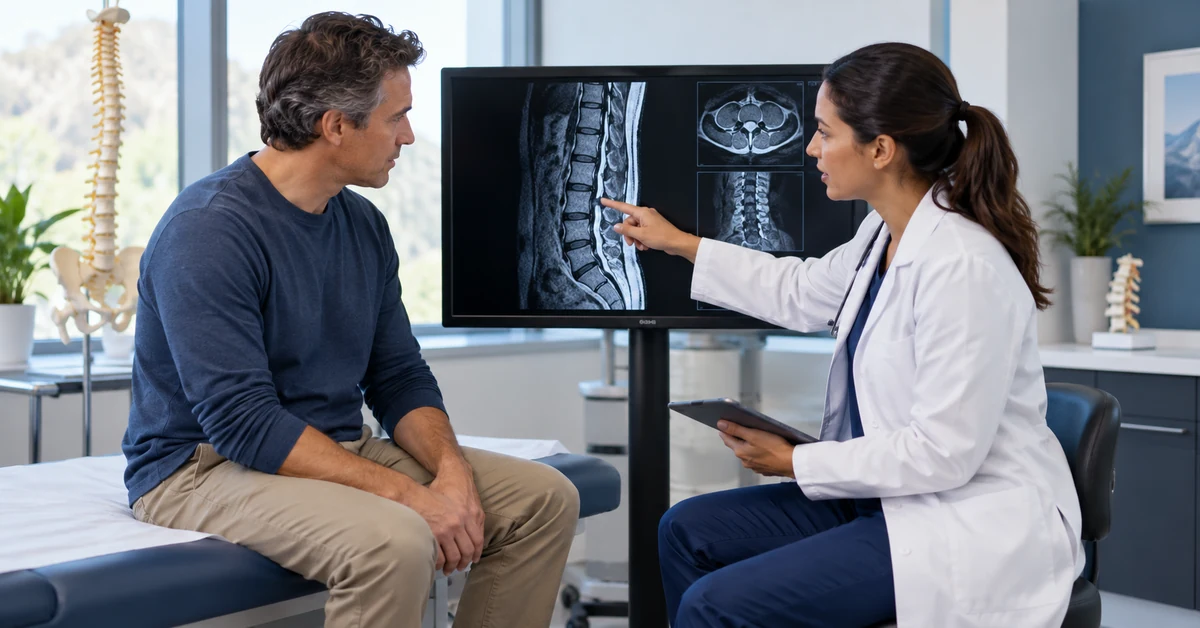
To confirm a spinal fracture, doctors use a combination of physical examinations and imaging tests:
- X-rays: Provide an initial look at bone alignment and detect obvious breaks.
- CT Scan (Computed Tomography): Offers detailed cross-sectional images to show the extent of fractures.
- MRI (Magnetic Resonance Imaging): Identifies spinal cord involvement, nerve compression, or soft tissue damage.
- Bone Density Test: Helps detect osteoporosis-related fractures.
Accurate diagnosis is critical because treatment depends on the type and severity of the fracture.
Treatment Options

Treatment varies from conservative care to surgical procedures. The choice depends on fracture type, severity, and whether the spinal cord or nerves are affected.
Non-Surgical Treatments
- Bracing: Supports the spine, limits movement, and allows healing.
- Pain Management: Medications and muscle relaxants to reduce pain and discomfort.
- Physical Therapy: Restores mobility, strengthens muscles, and prevents stiffness.
Surgical Treatments
- Vertebroplasty and Kyphoplasty: Minimally invasive procedures where cement is injected into the fractured vertebra to stabilize it.
- Spinal Fusion: Joining two or more vertebrae to prevent abnormal movement and restore stability.
- Decompression Surgery: Removing bone fragments or disc material pressing on nerves or the spinal cord.
- Instrumentation: Using rods, screws, or plates to stabilize severe fractures.
Early treatment improves recovery outcomes and helps reduce the risk of long-term complications.
Prevention of Spinal Fractures

While not all spinal fractures can be prevented, especially those caused by accidents, some steps can lower the risk:
- Maintain Bone Health: Adequate calcium and vitamin D intake along with weight-bearing exercise strengthen bones.
- Treat Osteoporosis Early: Medications and lifestyle changes can slow bone loss.
- Fall Prevention: Use handrails, improve home lighting, and avoid slippery surfaces to reduce falls.
- Safe Lifting: Use proper techniques when lifting heavy objects to avoid excess stress on the spine.
- Protective Gear: Wear safety equipment during sports and seatbelts in vehicles.
Book an Appointment with Spine Docs

If you are dealing with back pain or suspect a spinal fracture, do not delay seeking professional help. Early diagnosis and treatment can make a big difference in recovery and quality of life.
Visit Book an Appointment with Spine Docs to schedule your consultation with Dr. Pasquale X. Montesano and the team at Montesano Spine & Sport.
Final Thoughts

Spinal fractures are serious conditions that require timely diagnosis and treatment. They can result from trauma, bone diseases, or degenerative conditions. With proper care, many patients recover well and regain function.
FAQs
1. How serious is a spinal fracture?
A spinal fracture can range from mild to life-threatening. Minor compression fractures may only cause pain, while severe fractures can lead to spinal cord injury and permanent nerve damage. Medical evaluation is always necessary.
2. Can a spinal fracture heal without surgery?
Yes, many spinal fractures heal with conservative treatment like bracing, rest, pain medication, and physical therapy. However, unstable fractures often require surgery for stabilization.
3. What does a spinal fracture feel like?
The most common symptom is sudden, sharp back pain that worsens with movement. In some cases, patients may also experience tingling, weakness, or numbness if nerves are affected.
4. How long does it take for a spinal fracture to heal?
Recovery time depends on the severity of the fracture and the treatment plan. Minor fractures may heal in 8–12 weeks, while complex cases requiring surgery may take several months.
5. Can osteoporosis cause spinal fractures?
Yes, osteoporosis weakens bones, making them more prone to compression fractures, especially in the thoracic and lumbar spine. Preventive care is important for those at risk.
6. What happens if a spinal fracture is left untreated?
Untreated fractures may worsen over time, leading to spinal deformity, chronic pain, reduced mobility, and in severe cases, nerve or spinal cord damage.