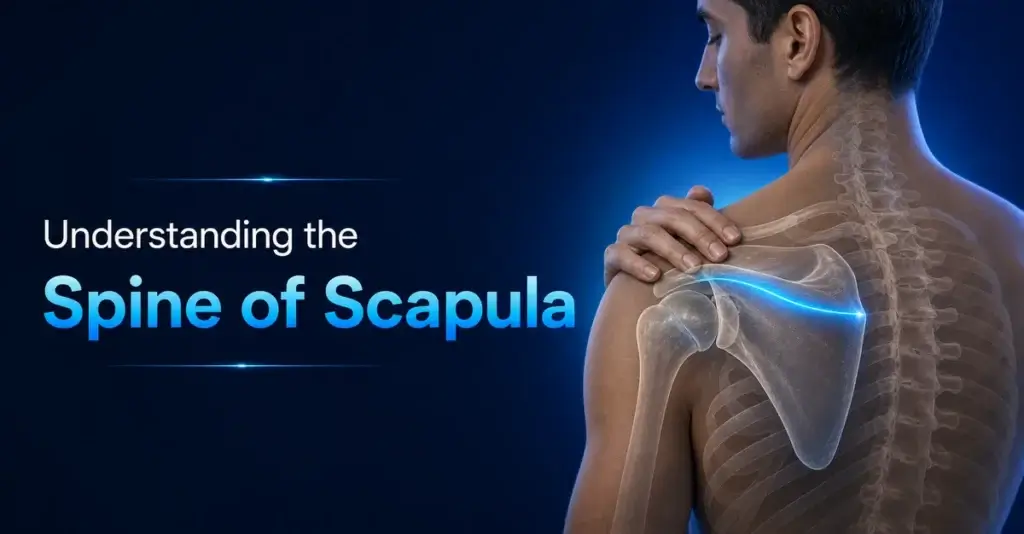
The spine of the scapula is a prominent ridge on the shoulder blade that provides attachment for muscles and helps stabilize shoulder movement. It separates the upper and lower parts of the scapula, allowing muscles like the trapezius and deltoid to function effectively. For example, lifting your arm overhead depends on these attachments. Fractures, arthritis, or muscle injuries can cause pain near the scapular spine, and treatment ranges from rest and physical therapy to surgery for severe cases.
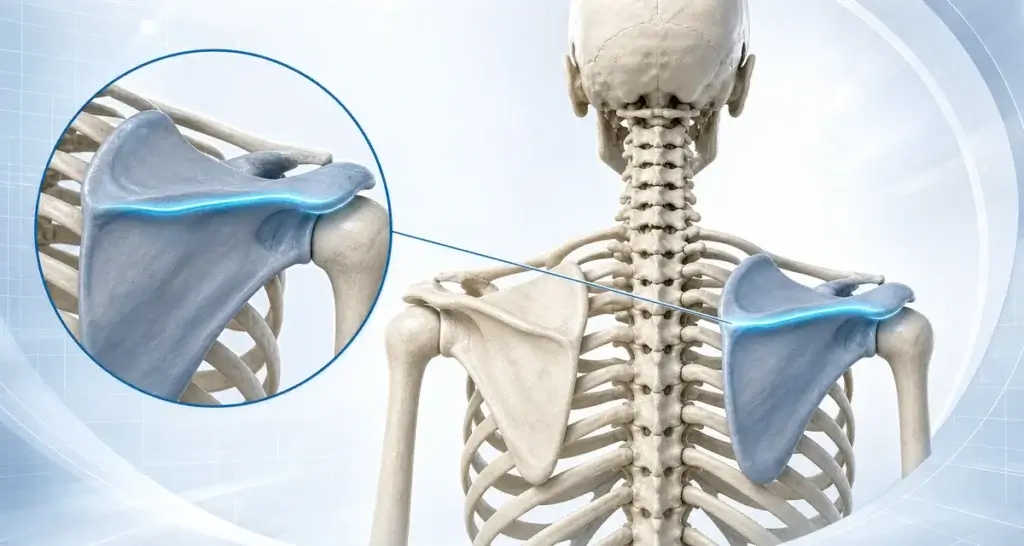
The shoulder is one of the most complex and mobile joints in the human body, allowing you to lift, rotate, and move your arms freely. At the center of this mobility lies the spine of the scapula, a ridge-like structure that plays a key role in shoulder strength, stability, and motion. Understanding how it works helps you appreciate the importance of proper shoulder health and the need for expert care when pain or injury develops.
What Is the Spine of the Scapula?
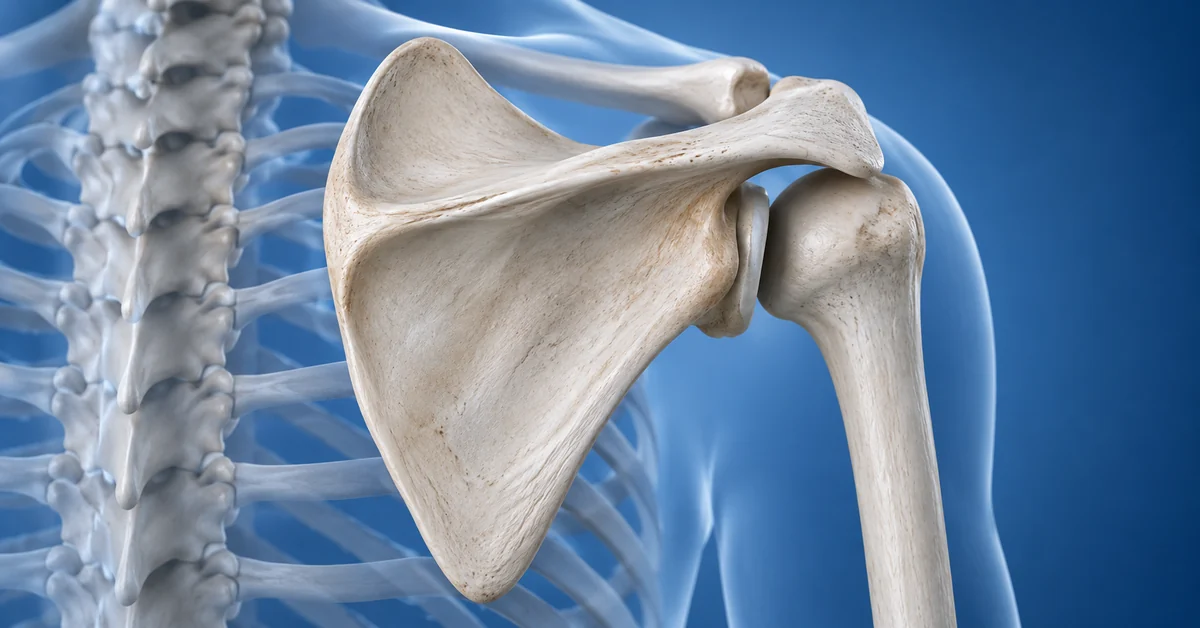
The spine of the scapula is a prominent ridge on the upper back part of the shoulder blade. It divides the scapula into two main regions, the supraspinous fossa (above the spine) and the infraspinous fossa (below the spine). This bony projection runs diagonally across the scapula and connects to the acromion, which forms the highest point of the shoulder.
This ridge acts as a structural bridge, giving shape to the shoulder blade and serving as a major attachment point for several muscles that control arm and shoulder movement.
Anatomy of the Spine of the Scapula
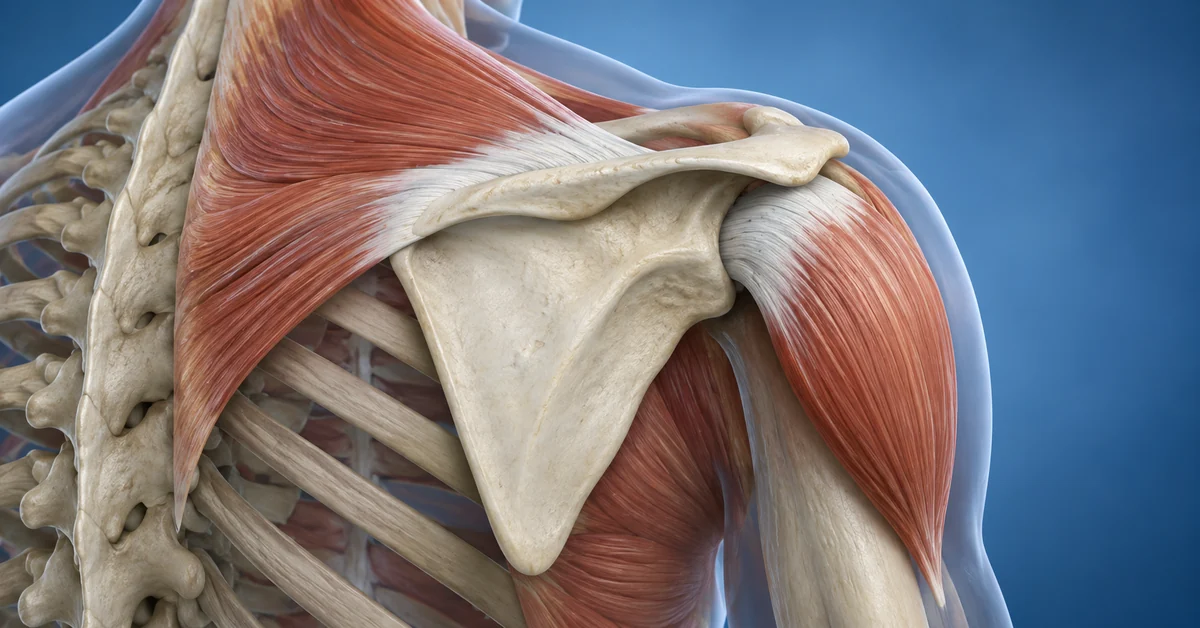
The spine of the scapula has three important parts:
- Root of the Spine: The base where the spine begins near the inner border of the scapula.
- Crest of the Spine: The raised edge that runs along the length of the scapular spine.
- Acromion Process: The extension of the spine that connects with the clavicle (collarbone), forming the acromioclavicular joint.
Several muscles attach to the spine of the scapula, including:
- Trapezius Muscle: This large muscle helps move and stabilize the shoulder blades.
- Deltoid Muscle: It attaches to the acromion and spine, allowing the arm to lift away from the body.
- Supraspinatus and Infraspinatus Muscles: Both are part of the rotator cuff group, responsible for shoulder rotation and stability.
These muscles and attachments make the scapular spine a central structure in shoulder mechanics.
Function of the Spine of the Scapula
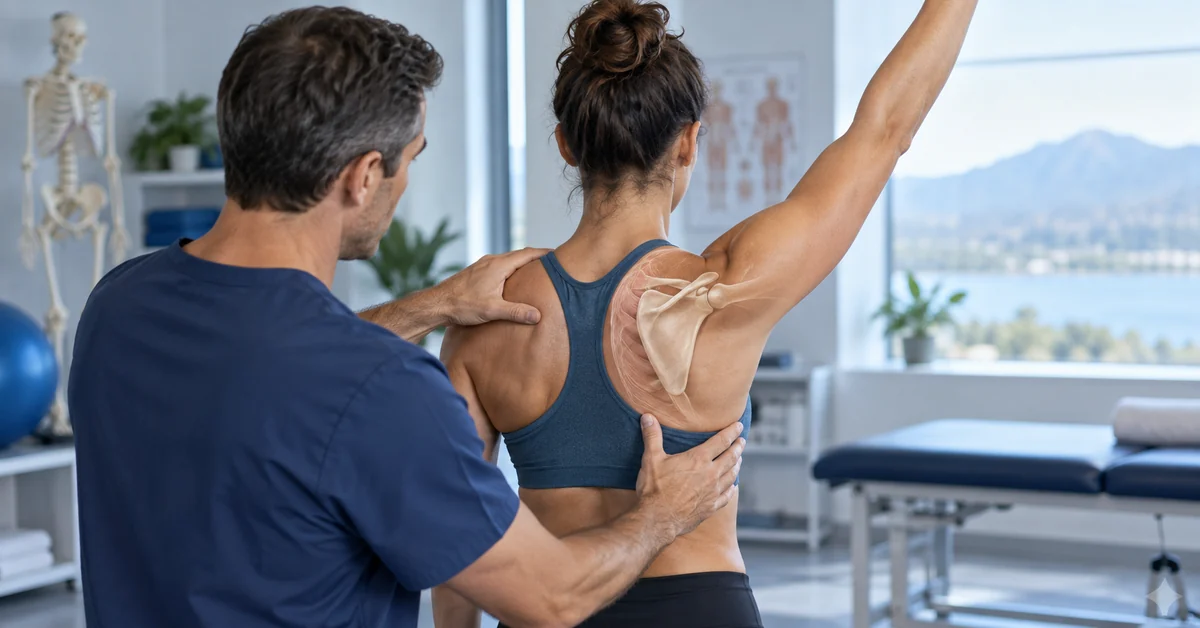
The spine of the scapula provides both support and motion to the shoulder. Its main functions include:
- Muscle Attachment:– It serves as a stable base for muscles that move the shoulder and upper arm.
- Shoulder Stability:– It contributes to maintaining the position of the scapula against the ribcage during movement.
- Leverage for Movement:– The muscles attached to the spine act like levers, allowing smooth arm elevation and rotation.
- Force Transmission:– It distributes mechanical forces from the upper arm through the shoulder girdle to the trunk.
Without the proper function of the scapular spine, even simple actions like lifting or reaching overhead can become painful or difficult.
Common Conditions and Disorders
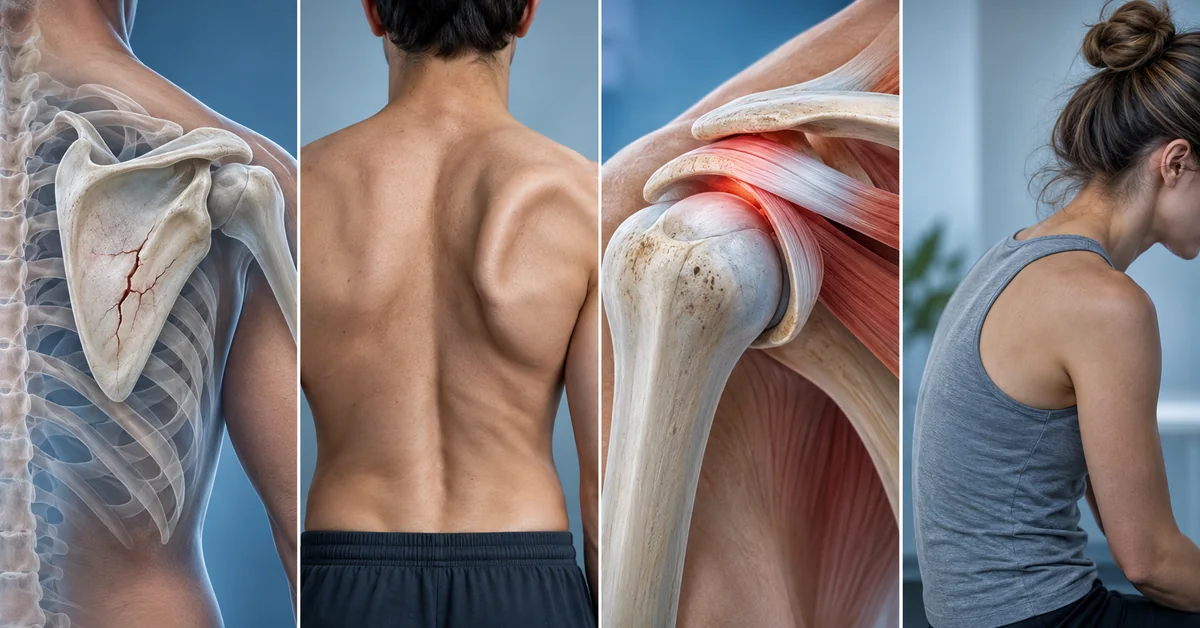
Injuries or disorders involving the spine of the scapula can result from trauma, overuse, or poor posture. Here are some common conditions:
1. Scapular Fractures
A direct blow or fall on the shoulder can cause a fracture in the spine of the scapula. These fractures are rare but serious, often associated with other injuries like rib or clavicle fractures. Symptoms include sharp pain, swelling, and restricted movement.
2. Scapular Dyskinesis
This condition occurs when the normal movement of the scapula becomes irregular due to muscle imbalance or nerve injury. It can lead to shoulder pain, fatigue, and decreased range of motion.
3. Shoulder Impingement Syndrome
Improper scapular movement can cause compression of tendons or bursa within the shoulder joint, resulting in inflammation and pain, especially when lifting the arm.
4. Muscle Strain or Detachment
The muscles attached to the scapular spine, such as the trapezius or deltoid, may become strained or detached due to overuse or trauma. This often leads to localized pain and weakness.
5. Postural Problems
Poor posture, such as rounded shoulders or prolonged slouching, can place stress on the scapular spine and surrounding muscles, eventually leading to discomfort or pain.
Diagnosis and Imaging
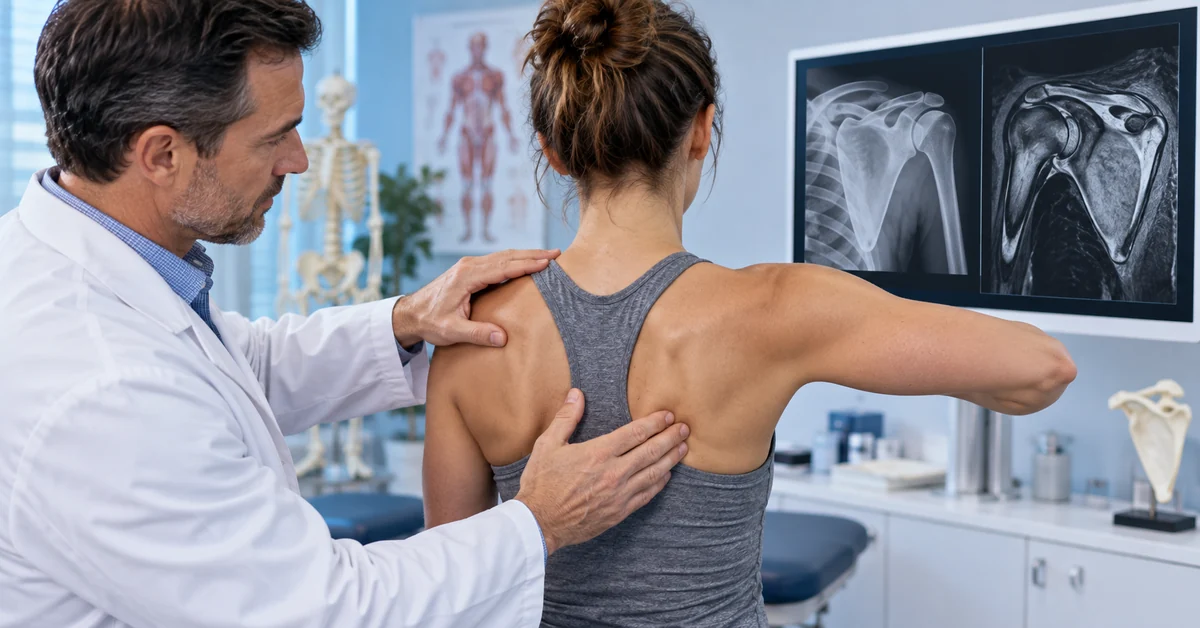
When shoulder pain or dysfunction occurs, an orthopedic evaluation is essential. Diagnostic methods include:
- Physical Examination to assess movement, strength, and tenderness.
- X-rays to detect fractures or deformities.
- MRI or CT Scan to evaluate soft tissues, muscles, and joint integrity.
Accurate diagnosis ensures the right treatment plan and faster recovery.
Treatment Options

Treatment depends on the underlying condition. In most cases, non-surgical care is effective.
1. Rest and Activity Modification
Avoiding activities that aggravate pain helps reduce inflammation and promotes healing.
2. Physical Therapy
A structured physical therapy program strengthens shoulder and back muscles, restores balance, and improves range of motion.
3. Medication and Injections
Anti-inflammatory medications or corticosteroid injections can relieve pain and swelling in acute cases.
4. Surgery
For severe fractures, muscle detachments, or chronic impingement not responding to conservative care, surgical intervention may be necessary to restore shoulder function and alignment.
Rehabilitation and Prevention
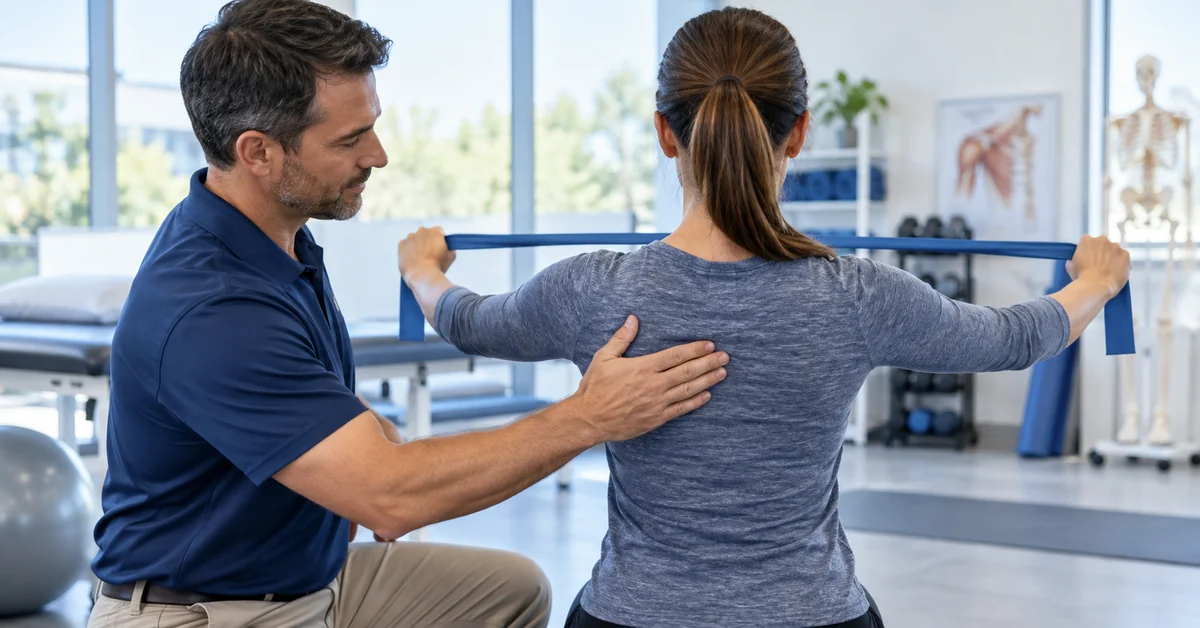
After treatment, rehabilitation focuses on restoring muscle strength, improving posture, and enhancing shoulder coordination. Preventive care includes:
- Regular stretching and strengthening exercises for the upper back and shoulders.
- Maintaining correct posture while sitting or working.
- Avoiding repetitive overhead movements without proper warm-up.
Book an Appointment with Spine Docs
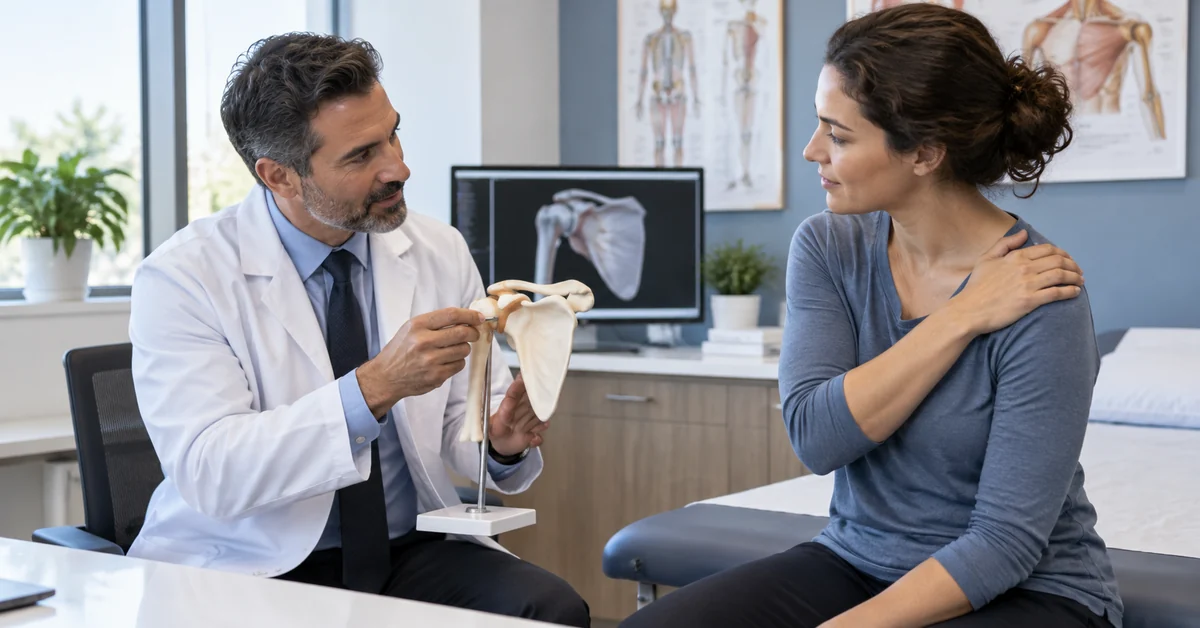
Don’t let shoulder pain hold you back. Book an appointment today to schedule your consultation with Dr. Pasquale X. Montesano and the team at Montesano Spine & Sport. Their comprehensive approach ensures that every patient receives proper diagnosis, targeted care, and long-term support for recovery.