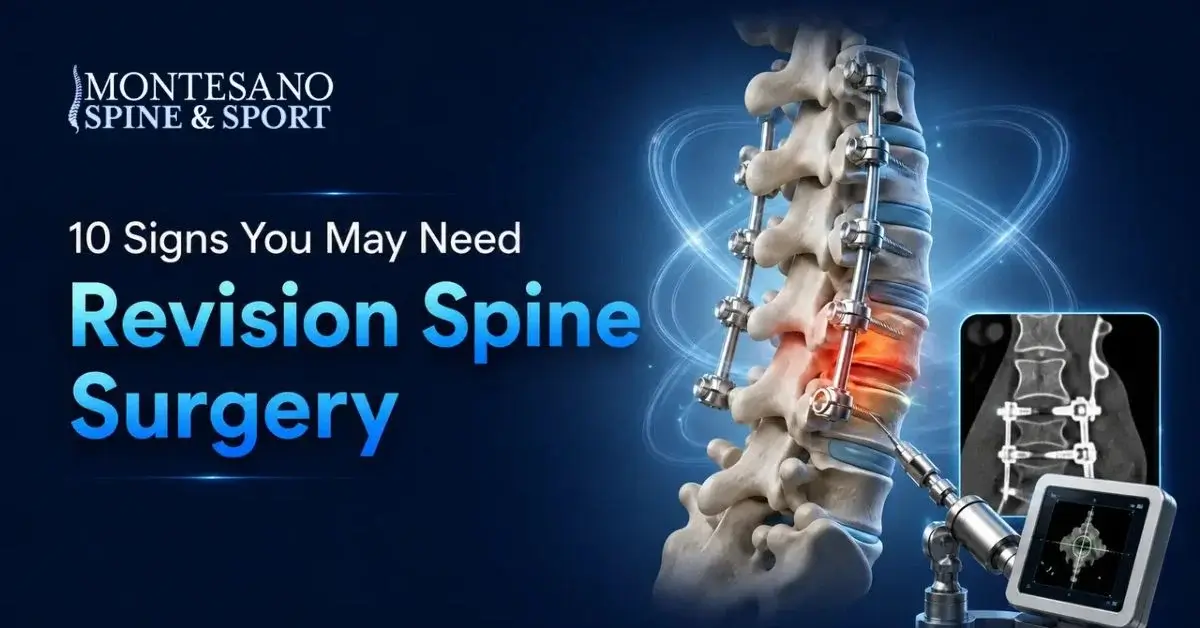


Multilevel Degenerative Disc Disease (DDD) occurs when two or more intervertebral discs in the spine begin to break down or lose their normal function. These discs act as cushions between the vertebrae, helping the spine move smoothly and absorb shock. When several discs start to degenerate, it can cause stiffness, pain, and nerve-related symptoms that affect daily movement and comfort.
While DDD can occur anywhere along the spine, it’s most common in the lumbar (lower back) and cervical (neck) regions.
What Happens in Degenerative Disc Disease?

As discs wear out, they lose:
- Height: The space between vertebrae narrows, reducing flexibility.
- Hydration: Discs dry out and lose their shock-absorbing ability.
- Elasticity: The outer layer becomes brittle, increasing the risk of small tears.
Over time, these changes may lead to:
- Disc bulges or herniations
- Reduced space between vertebrae
- Bone spurs (osteophytes)
- Facet joint arthritis
- Nerve compression
Commonly Affected Areas
- Cervical spine (neck): C4–C5, C5–C6, C6–C7
- Lumbar spine (lower back): L3–L4, L4–L5, L5–S1
These areas handle most of the spine’s motion and weight-bearing, making them more prone to degeneration.
Symptoms of Multilevel DDD
Symptoms vary depending on which discs are affected, but may include:
- Persistent or occasional neck or lower back pain
- Stiffness and reduced range of motion
- Radiating pain, numbness, or weakness in the arms or legs (if nerves are pinched)
- Pain that worsens with sitting, bending, lifting, or twisting
- Temporary relief when lying down or changing posture
Causes and Risk Factors
Multilevel DDD develops over time, but several factors can speed up degeneration:
- Aging: Natural loss of water content in discs reduces flexibility.
- Genetics: A family history of disc disease increases risk.
- Repetitive strain: Jobs or activities involving bending, lifting, or twisting can accelerate wear.
- Poor posture: Extra stress on the spine affects disc health.
- Smoking: Reduces blood flow and slows disc repair.
- Obesity: Adds mechanical stress to the lower back.
Treatment Options
Treatment focuses on relieving pain, improving function, and slowing degeneration. Most people respond well to non-surgical care, while surgery is reserved for severe cases.
Non-Surgical Treatments
- Physical therapy: Builds strength, flexibility, and posture control.
- Anti-inflammatory or pain medications: Help manage discomfort.
- Epidural or facet joint injections: Reduce inflammation and nerve irritation.
- Postural and ergonomic training: Improves spinal alignment during daily activities.
- Laser therapy or chiropractic adjustments: May provide additional pain relief.
Surgical Treatments (If Conservative Care Fails)
- Spinal fusion: Joins affected vertebrae to stabilize the spine.
- Artificial disc replacement: Replaces a damaged disc with a synthetic one.
- Laminectomy or discectomy: Removes part of a vertebra or disc to relieve nerve pressure.
Living With Multilevel DDD
While degenerative disc disease can’t be completely reversed, early diagnosis and lifestyle changes can help manage symptoms and slow progression. Staying active, maintaining a healthy weight, practicing good posture, and avoiding smoking all contribute to better spine health.
FAQs

1. What is multilevel degenerative disc disease?
Multilevel degenerative disc disease occurs when two or more spinal discs deteriorate over time. This degeneration reduces the discs’ ability to cushion the spine, leading to stiffness, pain, and sometimes nerve compression.
2. Is multilevel degenerative disc disease serious?
It can be. While mild cases cause occasional discomfort, severe degeneration can compress nerves, leading to chronic pain, weakness, or numbness in the arms or legs. Early diagnosis and proper treatment can prevent complications.
3. What causes multilevel degenerative disc disease?
The most common cause is aging, but genetics, repetitive stress, smoking, poor posture, and obesity can also contribute. These factors accelerate the breakdown of spinal discs and surrounding joints.
4. What are the symptoms of multilevel DDD?
Common symptoms include back or neck pain, stiffness, reduced movement, tingling, and weakness. Pain often worsens with sitting, bending, or lifting, and may radiate to the arms or legs if nerves are affected.
5. How is multilevel degenerative disc disease diagnosed?
Diagnosis usually involves a physical exam, medical history, and imaging tests such as X-rays, MRI, or CT scans. These help identify disc height loss, bone spurs, and nerve compression.