

Cracking your back can provide temporary relief, but it’s important that you understand the risks of cracking your back. When you crack your back, your joints release gas bubbles which creates temporary relief. However, cracking your back doesn’t solve the underlying issues. Cracking your back forcefully can lead to injury including sprains and/or fractures. Some things you can do instead of cracking your back is stretching or seeking professional help from a chiropractor.
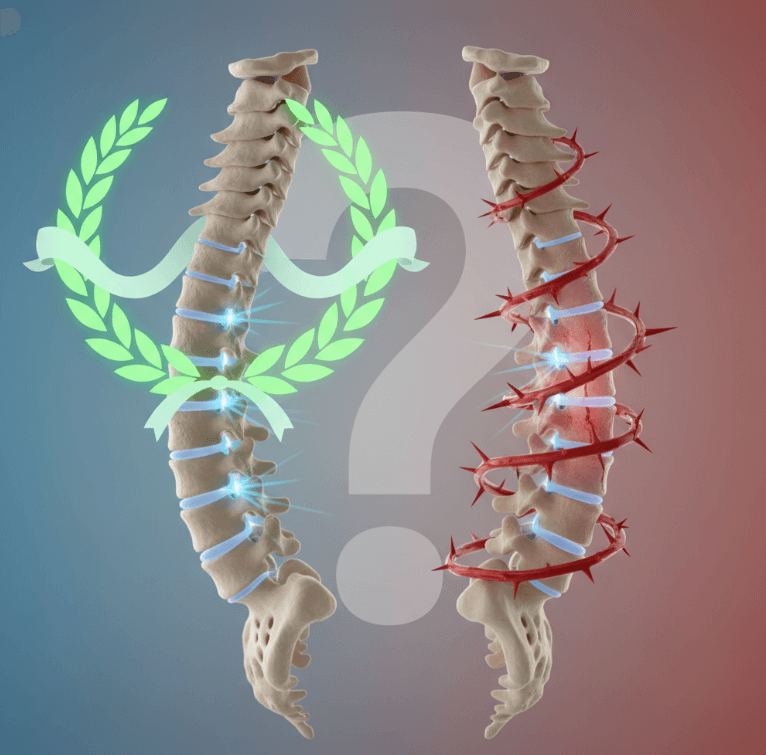
Many people crack their backs without thinking twice. It might happen first thing in the morning, after sitting for hours, or during a stretch at the gym. For some, it feels relieving. For others, it becomes a habit they rely on throughout the day. But an important question remains. Is cracking your back actually healthy, or could it be doing more harm than good?
Knowing what causes your back to crack and when it may indicate a problem can help you make smarter choices about your spinal health and avoid habits that may lead to discomfort over time.
What Happens When You Crack Your Back?
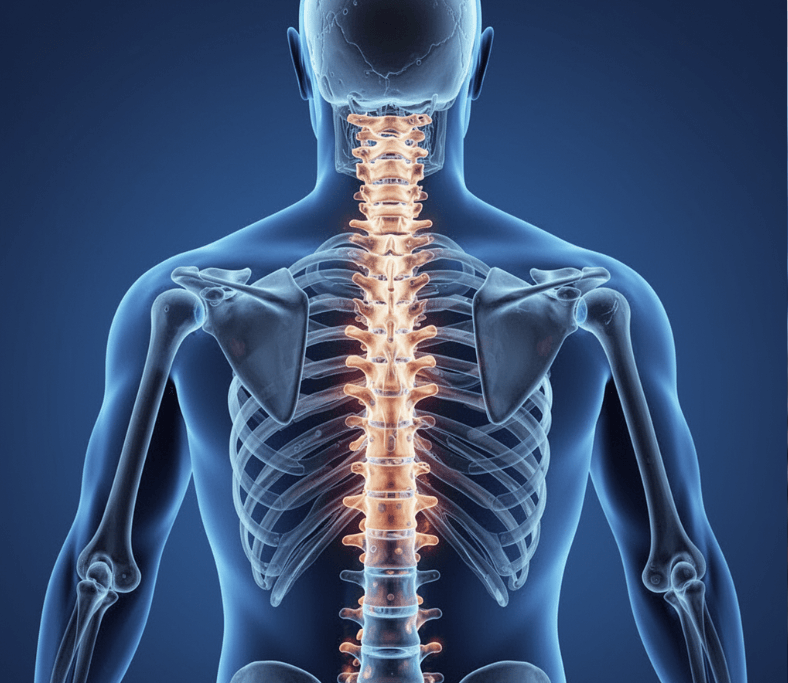
The popping or cracking sound you hear usually comes from small joints in the spine called facet joints. These joints are filled with synovial fluid that lubricates movement. When you stretch or twist, pressure changes inside the joint and tiny gas bubbles are released. That release creates the cracking sound.
In many cases, this is a normal process and does not automatically mean damage is occurring. However, the sensation of relief that follows can be misleading. While cracking may temporarily reduce stiffness, it does not correct the cause of pain or tightness.
Why Cracking Your Back Feels Good
The relief people feel after cracking their back often comes from a brief decrease in joint pressure and muscle tension. Stretching also stimulates nerve endings that can dull discomfort for a short time. This is why cracking can feel satisfying, especially after long periods of sitting or poor posture.
The key word here is temporary. If you find yourself cracking your back repeatedly throughout the day, your body may be trying to tell you something more is going on beneath the surface.
Is It Safe to Crack Your Own Back?
Occasional back cracking during normal movement or stretching is usually harmless for healthy individuals. Problems arise when cracking becomes forceful, repetitive, or intentional through aggressive twisting.
Self cracking can place uneven stress on ligaments and joints. Over time, this may lead to joint instability or increased muscle tightness as surrounding tissues try to protect the spine. People who already have disc problems, arthritis, or spinal degeneration should be especially cautious.
When Back Cracking Can Be a Warning Sign
Cracking itself is not always a problem, but it should not be ignored when it comes with other symptoms. You should seek professional evaluation if back cracking is accompanied by:
- Persistent pain or stiffness
- Pain that radiates into the arms or legs
- Numbness or tingling
- Reduced range of motion
- Weakness or balance issues
These signs may indicate disc involvement, nerve compression, or joint degeneration. Cracking the back will not resolve these issues and may increase irritation over time.
Chiropractic Adjustments vs Self Cracking
Many people confuse self cracking with professional spinal adjustments. They are not the same.
A trained specialist evaluates spinal alignment, joint movement, muscle balance, and neurological function before performing any adjustment. Proper techniques are controlled, targeted, and designed to improve movement safely.
Random twisting or bending to crack your back lacks precision and can strain areas that are already stressed. If spinal manipulation is appropriate for your condition, it should always be performed by a qualified professional after a full assessment.
Healthier Alternatives to Back Cracking
If you feel the urge to crack your back often, it may be time to address the underlying cause rather than the symptom. Healthier options include:
- Improving posture at work and home
- Gentle stretching routines focused on flexibility
- Strengthening core and back muscles
- Taking breaks from prolonged sitting
- Using ergonomic chairs or lumbar support
- Seeking professional evaluation for ongoing discomfort
When to See a Spine Specialist
If back cracking is paired with ongoing discomfort or affects your daily activities, it is time to consult a spine specialist. Early evaluation can prevent minor issues from becoming more serious problems.
Back Cracking Facts
| Topic | What You Should Know |
|---|---|
| Why backs crack | Gas release inside spinal joints |
| Is it always harmful | No, if it happens naturally and occasionally |
| Daily cracking | May signal muscle tension or joint issues |
| Self cracking risks | Joint strain and instability over time |
| Better alternatives | Stretching, posture correction, medical care |
| When to see a doctor | Pain, numbness, weakness, or lasting stiffness |
The Bottom Line
Cracking your back once in a while is usually not dangerous, but relying on it for relief is not a healthy solution. Your spine is a complex structure that deserves proper care, attention, and professional guidance when problems arise.
If your back frequently feels tight, painful, or unstable, do not ignore the signs. Addressing the root cause is always better than chasing temporary relief.
Book an Appointment
📞 Call +1 941-402-4003 to schedule a consultation and receive personalized spine care from an experienced specialist.