
Spinal arthritis is one of the most common causes of chronic back and neck pain, especially among older adults. It affects the joints, discs, and bones of the spine, leading to stiffness, swelling, and reduced mobility. Although it cannot always be cured, proper diagnosis and early treatment can significantly reduce symptoms and improve quality of life.
What is Spinal Arthritis?
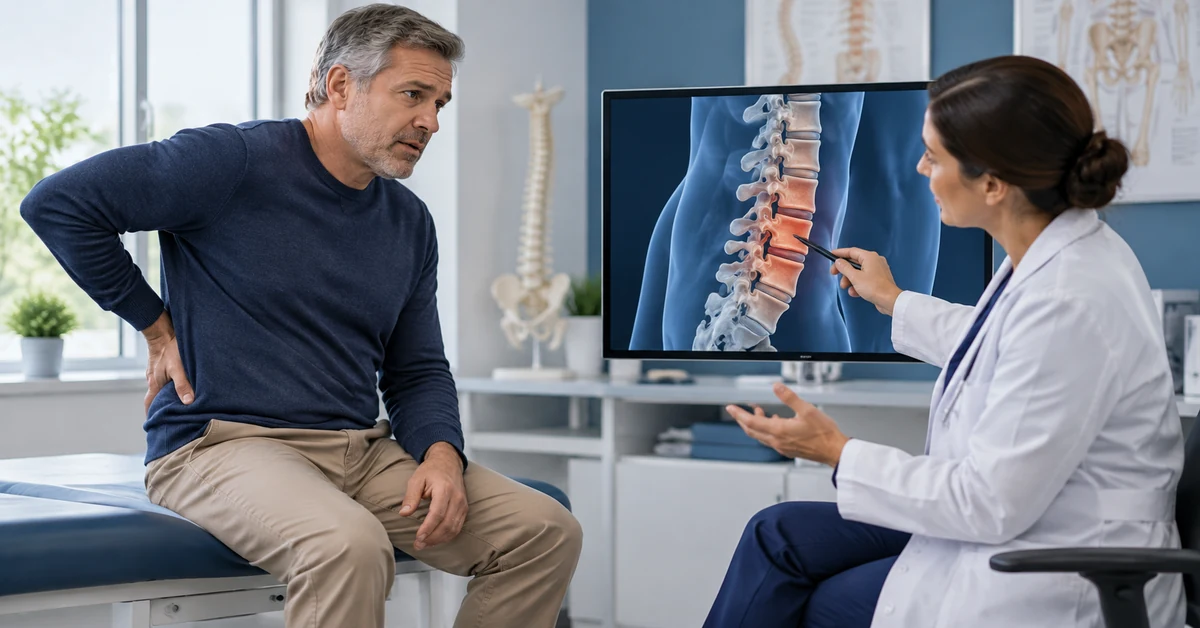
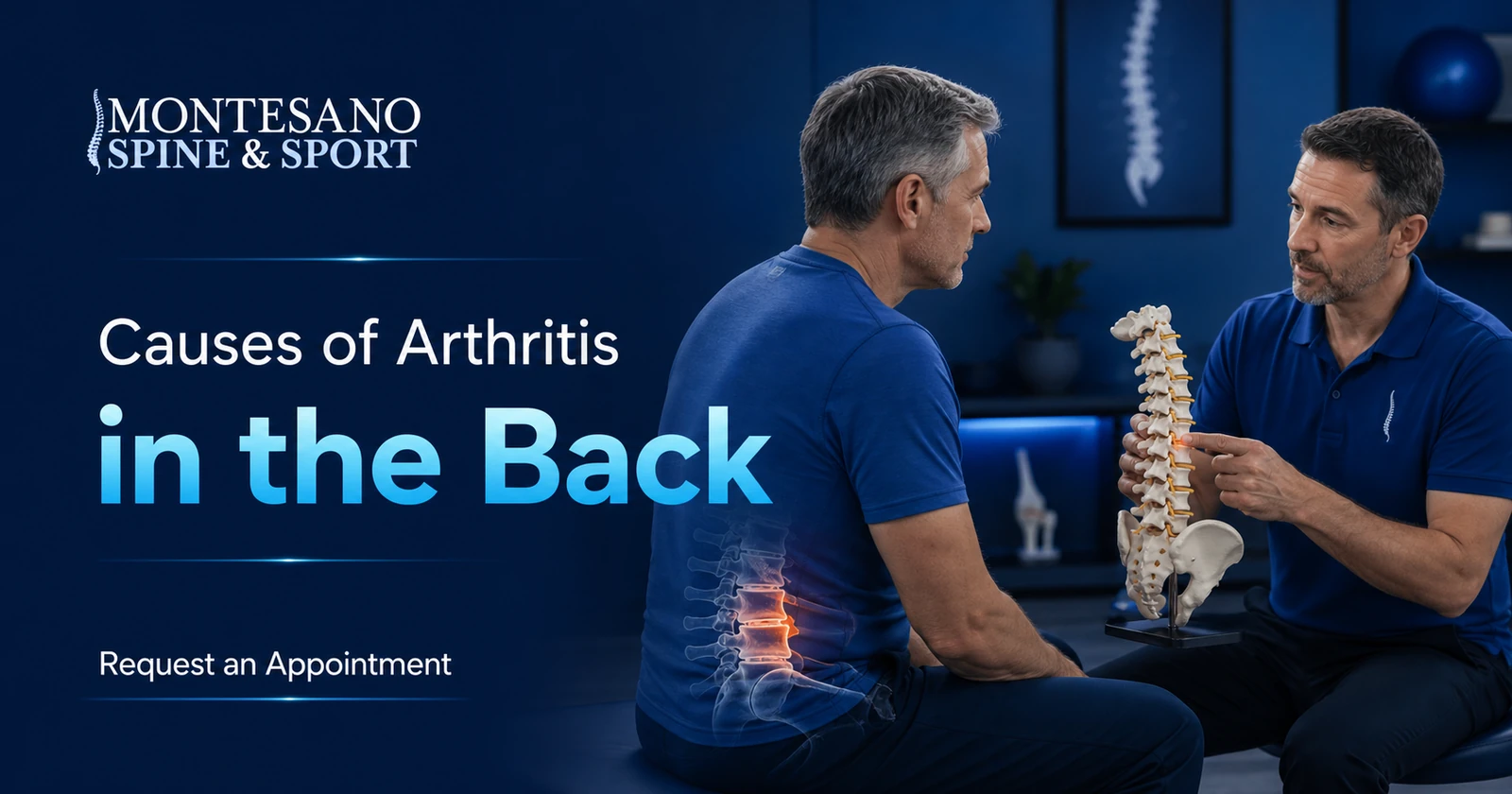
Spinal arthritis refers to inflammation in the joints of the spine. It occurs when the protective cartilage that cushions the joints begins to wear down. Over time, this can lead to pain, stiffness, and decreased flexibility. While it is often associated with aging, spinal arthritis can also result from injury, infection, or autoimmune disorders.
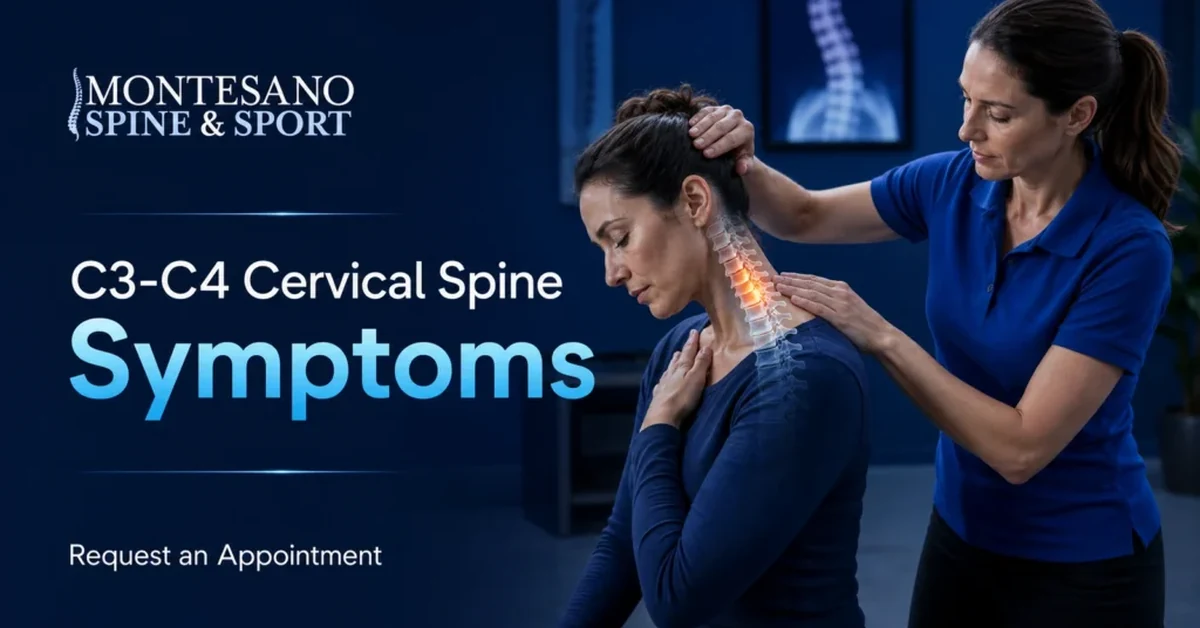
The spine consists of small joints called facet joints, which connect the vertebrae. When these joints become inflamed, movement becomes painful and restricted. The condition may affect different parts of the spine, including the neck (cervical region), upper back (thoracic region), or lower back (lumbar region).
Types of Spinal Arthritis
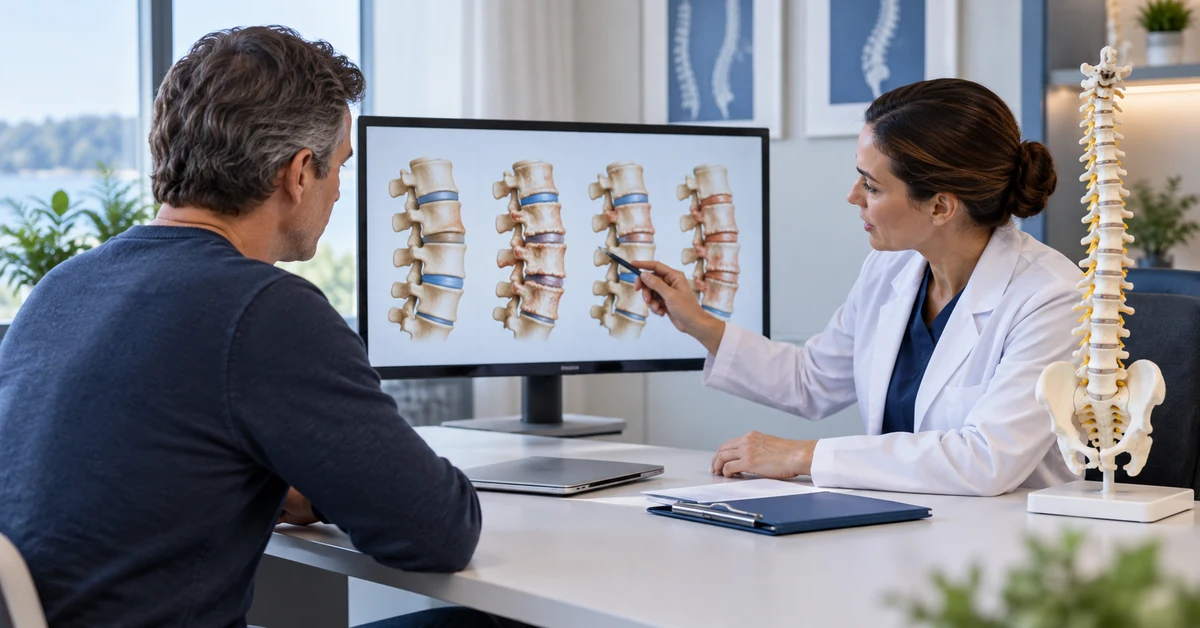
There are several forms of spinal arthritis, each with unique characteristics and causes. The most common types include:
1. Osteoarthritis (Degenerative Arthritis)
Osteoarthritis is the most prevalent form. It develops as cartilage wears away over time, causing bones to rub against each other. This friction leads to pain, stiffness, and sometimes bone spurs that can press on nerves.
2. Rheumatoid Arthritis (RA)
Rheumatoid arthritis is an autoimmune condition where the immune system attacks the body’s own tissues, including the joints in the spine. It commonly affects the cervical spine and can cause severe pain and inflammation.
3. Ankylosing Spondylitis (AS)
Ankylosing spondylitis primarily affects the lower spine and sacroiliac joints. Over time, it can cause the vertebrae to fuse, reducing flexibility and creating a hunched posture. AS often begins in early adulthood and is more common in men.
4. Psoriatic Arthritis
This type of arthritis is linked to psoriasis, a chronic skin condition. It can cause joint pain, swelling, and stiffness in the spine, along with visible skin symptoms.
5. Infectious Arthritis
Also called septic arthritis, this form occurs when bacteria or other microorganisms infect the joints. Although rare, it can damage the spine quickly if not treated promptly.
Symptoms and Causes

The symptoms of spinal arthritis can vary depending on the type and location but often include:
- Persistent back or neck pain
- Stiffness, especially in the morning or after rest
- Swelling around affected joints
- Decreased range of motion
- Grinding or clicking sound during movement
- Numbness or tingling if nerves are affected
- Fatigue and general discomfort
Common Causes:
- Natural aging process
- Repetitive stress or overuse injuries
- Obesity and excess body weight
- Genetic predisposition
- Autoimmune diseases
- Previous spinal injuries or infections
Lifestyle factors such as poor posture, lack of exercise, and smoking can also contribute to the development and progression of spinal arthritis.
Diagnosis of Spinal Arthritis

A proper diagnosis involves a combination of physical exams, medical history, and imaging tests. A healthcare provider will first assess symptoms and check for tenderness, flexibility, and range of motion. Diagnostic tools may include:
- X-rays: Reveal bone spurs, cartilage loss, or joint space narrowing.
- MRI (Magnetic Resonance Imaging): Provides detailed images of soft tissues, discs, and nerves.
- CT Scans: Show more complex details of bone structure and damage.
- Blood Tests: Help identify inflammation markers or autoimmune conditions such as rheumatoid arthritis.
In some cases, fluid from the joint may be analyzed to rule out infection or gout.
Treatment for Spinal Arthritis

Although there is no permanent cure for spinal arthritis, treatments can manage symptoms, slow progression, and improve mobility. The best treatment plan depends on the severity and type of arthritis.
1. Medications
- Pain relievers: Over-the-counter drugs like acetaminophen help control pain.
- Nonsteroidal anti-inflammatory drugs (NSAIDs): Reduce pain and inflammation.
- Corticosteroid injections: Provide temporary relief in affected joints.
- Disease-modifying antirheumatic drugs (DMARDs): Used for autoimmune types like rheumatoid arthritis and ankylosing spondylitis.
2. Physical Therapy
A customized exercise plan helps strengthen back muscles, improve flexibility, and support spinal alignment. Regular stretching and low-impact activities like swimming or walking can reduce stiffness.
3. Lifestyle Modifications
- Maintain a healthy weight to reduce strain on joints.
- Practice good posture when sitting or lifting objects.
- Use supportive furniture or mattresses.
- Quit smoking and reduce alcohol intake.
- Stay physically active but avoid high-impact sports that may worsen symptoms.
4. Alternative Therapies
Some patients find relief with acupuncture, massage therapy, or chiropractic care. While these approaches do not cure arthritis, they can help manage discomfort.
5. Surgical Options
If conservative treatments fail, surgery may be recommended. Procedures such as spinal fusion, laminectomy, or joint replacement can relieve pressure on nerves and stabilize the spine.
Living with Spinal Arthritis

Managing spinal arthritis is a long-term process that involves commitment and lifestyle changes. Regular checkups, consistent physical activity, and following treatment recommendations can help maintain mobility and minimize pain. Mental health support and stress management techniques, such as meditation or gentle yoga, also play an important role in overall well-being.
Conclusion
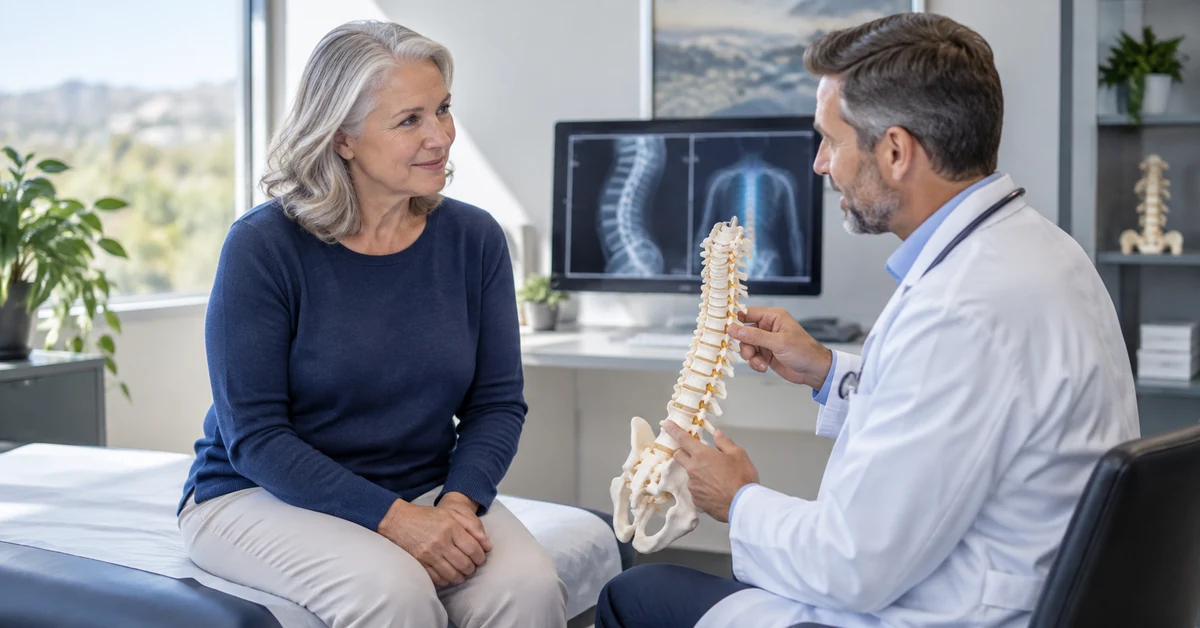
Spinal arthritis is a complex condition, but with early detection and proper care, its impact can be greatly reduced. Understanding the symptoms, knowing the types, and following a personalized treatment plan are key to living an active and comfortable life. Always consult a healthcare professional for guidance tailored to your specific condition.
Book An Appointment

Call Montesano Spine & Sport at 941-402-4003 or visit our Contact Us page to fill out the form and schedule your first consultation. Our team is here to guide you through every step toward better spine health and lasting relief.