
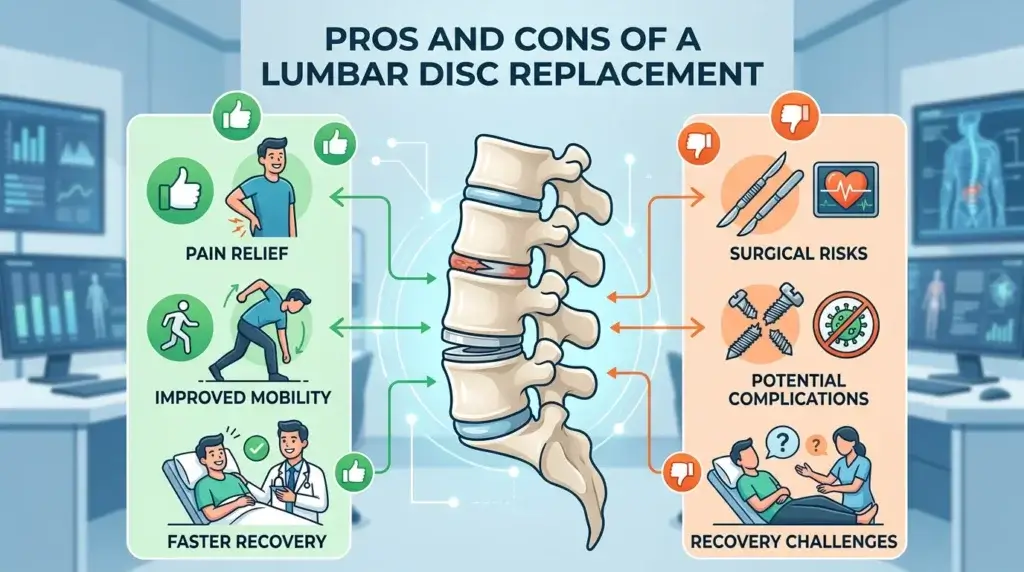
Lower back pain can interfere with nearly every part of daily life, from sitting at work to enjoying time with family. When non-surgical treatments fail to provide relief, lumbar disc replacement may be presented as a long-term solution. This modern spine procedure is designed to relieve pain while preserving movement, unlike traditional spinal fusion.
Before deciding on surgery, it’s important to understand both the benefits and the potential risks. Below, we break down the pros and cons of lumbar disc replacement to help you make an informed decision about your spinal health.
Pros of Lumbar Disc Replacement
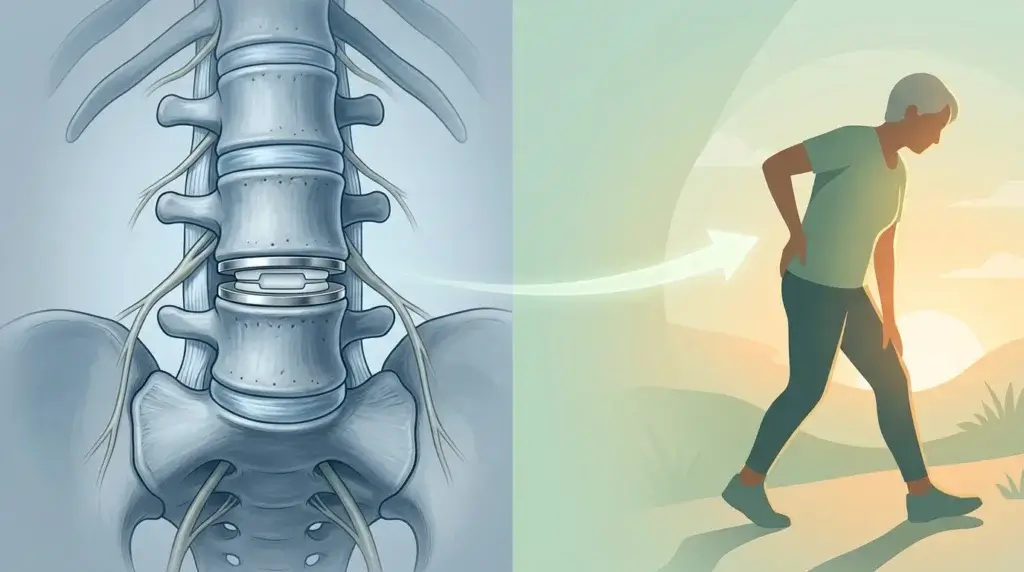
Lumbar disc replacement has become increasingly popular due to advancements in spine technology and improved surgical techniques. For the right candidate, this procedure offers several meaningful advantages.
Restoration of Spinal Mobility and Function
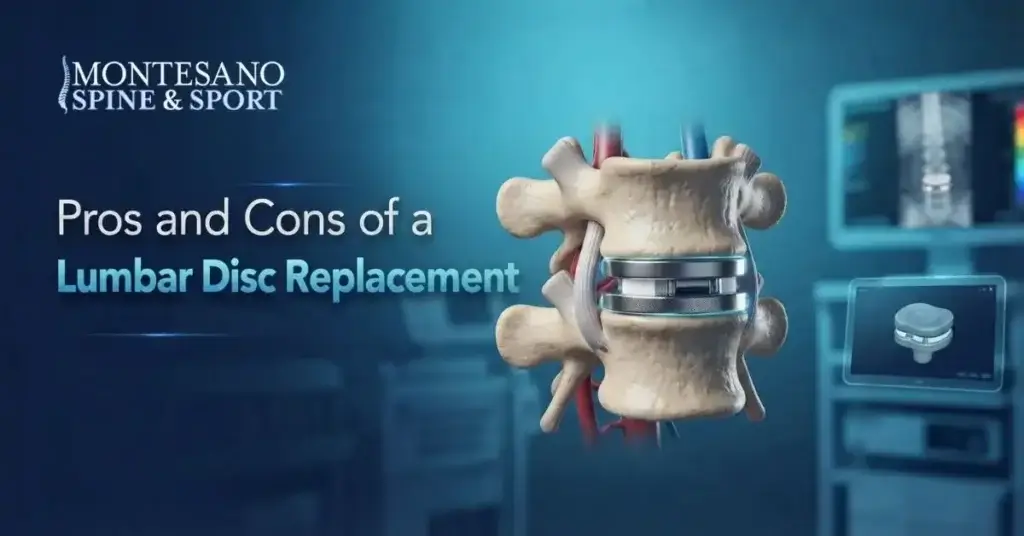
One of the primary goals of lumbar disc replacement is to maintain natural motion in the spine. Artificial discs are designed to mimic the movement of a healthy disc, allowing patients to bend, twist, and move more comfortably after recovery.
Many patients report:
- Reduced lower back pain
- Improved flexibility
- Greater confidence in daily movement
Reduced Stress on Adjacent Discs
Unlike spinal fusion, which permanently joins two vertebrae together, disc replacement preserves motion at the treated level. This helps reduce excess strain on nearby discs, lowering the risk of adjacent disc degeneration over time.
By addressing the damaged disc directly, lumbar disc replacement may help protect the rest of the spine.
Long-Term Pain Relief
Artificial discs are built for durability and can last for decades. For many patients, lumbar disc replacement offers long-term relief from chronic back pain, reducing the need for ongoing medications or repeated procedures.
FDA-approved lumbar artificial discs such as Prodisc-L® have demonstrated durable outcomes and long-term pain reduction in properly selected patients.
Faster Recovery Compared to Fusion
Lumbar disc replacement is generally less invasive than spinal fusion. Smaller incisions and motion-preserving techniques often lead to:
- Shorter hospital stays
- Quicker return to work
- Faster resumption of daily activities
Most patients are able to walk within a day and gradually increase activity within weeks.
Improved Quality of Life
By reducing pain while maintaining spinal motion, disc replacement can significantly improve overall quality of life. Patients often regain the ability to participate in hobbies, exercise, and everyday tasks that were once painful or impossible.
Cons of Lumbar Disc Replacement
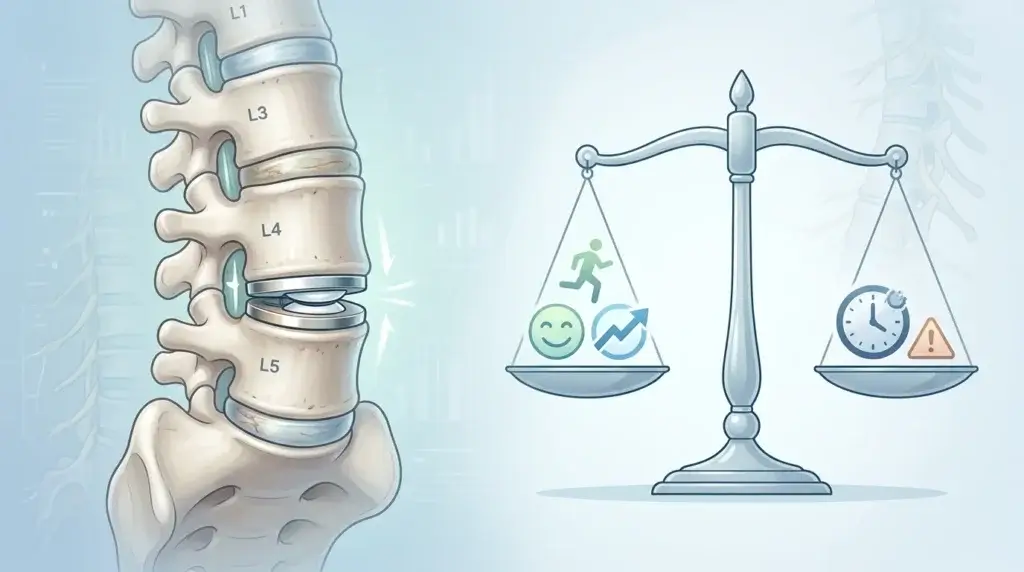
While lumbar disc replacement offers many benefits, it is still a surgical procedure and carries certain risks that should be carefully considered.
Surgical Risks and Complications
As with any surgery, there are potential risks, including:
- Infection
- Bleeding
- Nerve injury
Additional risks specific to artificial discs may include implant wear, device migration, or improper positioning, though these complications are relatively uncommon when surgery is performed by an experienced spine surgeon.
Although these complications are uncommon, they are important to discuss with your spine specialist before proceeding.
Not Suitable for Everyone
Lumbar disc replacement is not ideal for all patients. Individuals with advanced spinal arthritis, osteoporosis, spinal instability, or multiple damaged discs may not be good candidates.
A thorough evaluation is essential to determine whether this procedure is appropriate for your condition.
Possibility of Revision Surgery
Although success rates for lumbar disc replacement are high, there is no guarantee that the artificial disc will function perfectly for every patient. In rare cases, additional surgery may be required to correct complications or address persistent symptoms.
Cost and Insurance Coverage
The cost of lumbar disc replacement can vary depending on location, surgeon expertise, and insurance coverage. Patients should also consider indirect costs such as time off work, rehabilitation, and follow-up care.
Other Factors to Consider Before Choosing Lumbar Disc Replacement
Who Is a Good Candidate?
Good candidates for lumbar disc replacement typically:
- Are in overall good health
- Have single-level disc degeneration
- Have not found relief through conservative treatments
- Do not have significant spinal instability
Your lifestyle, job demands, and activity level may also influence whether this surgery is right for you.
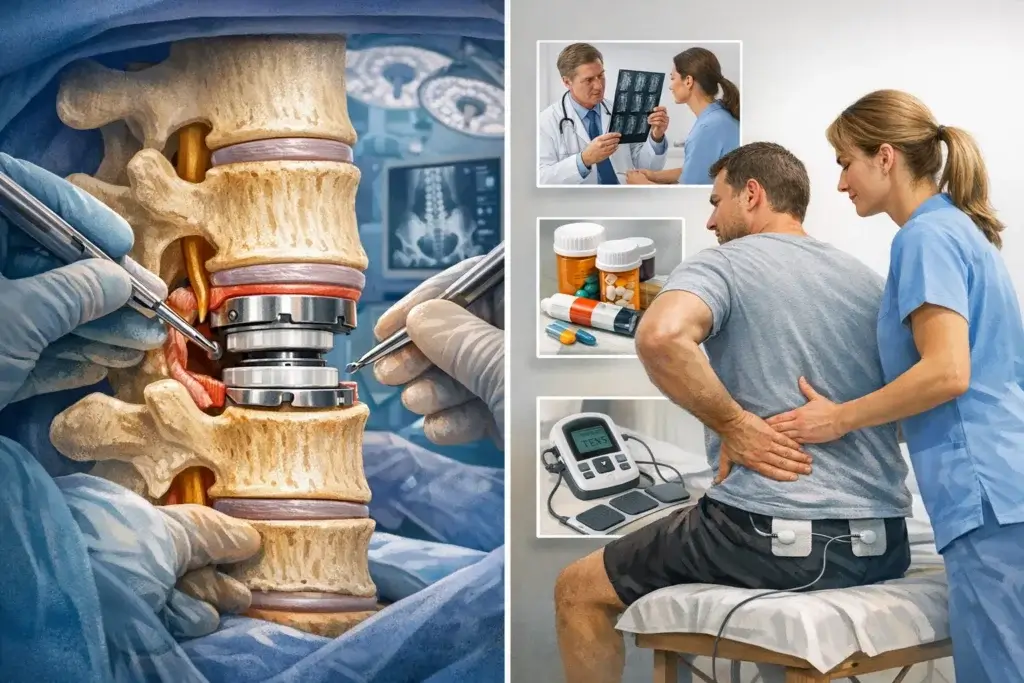
Lumbar Disc Replacement vs. Non-Surgical Treatments
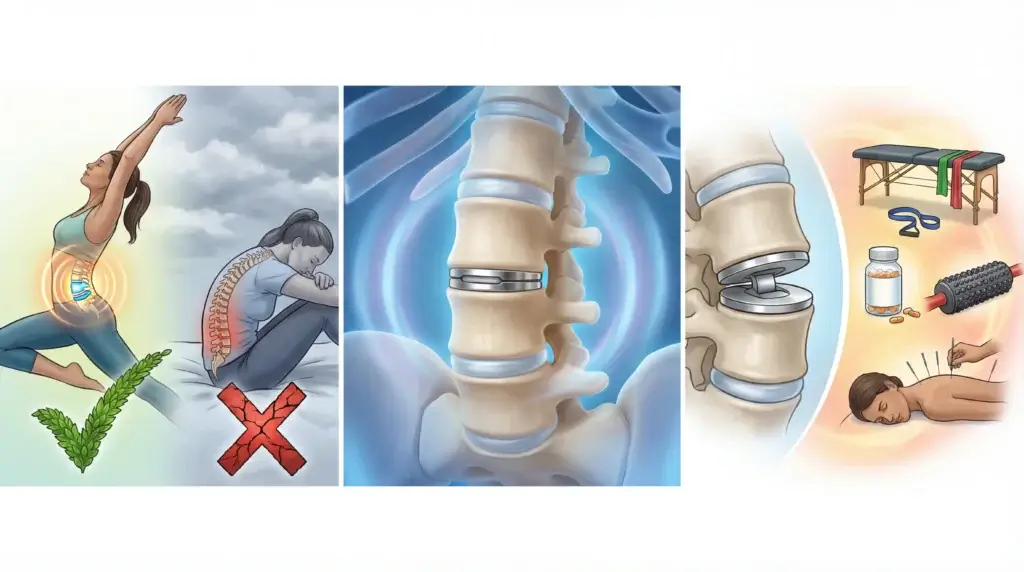
Before surgery, most doctors recommend trying non-invasive options such as:
- Physical therapy
- Anti-inflammatory medications
- Lifestyle modifications
- Injection-based treatments
If these methods fail to relieve pain, surgery may become a viable option.
Lumbar Disc Replacement vs. Spinal Fusion
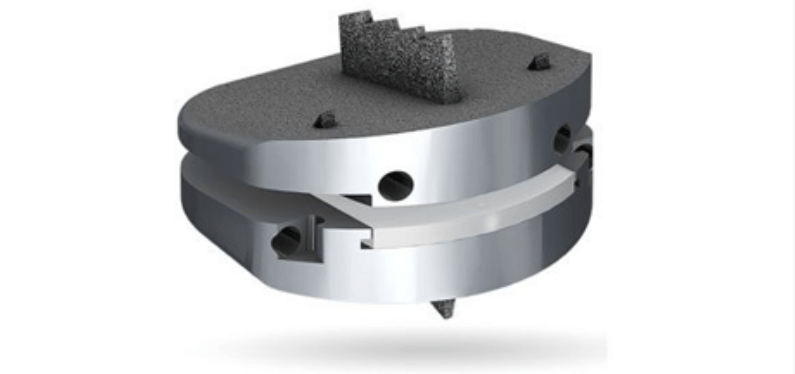
Spinal fusion remains an effective treatment for certain conditions, but it limits movement at the treated level. Lumbar disc replacement aims to preserve motion while relieving pain. A spine specialist can help determine which option aligns best with your medical needs.
Lumbar artificial discs such as Prodisc-L® were developed specifically to address pain while maintaining spinal motion, offering an alternative to fusion in appropriately selected patients.
📞 Call today to book your appointment:
Phone: +1 941-402-4003