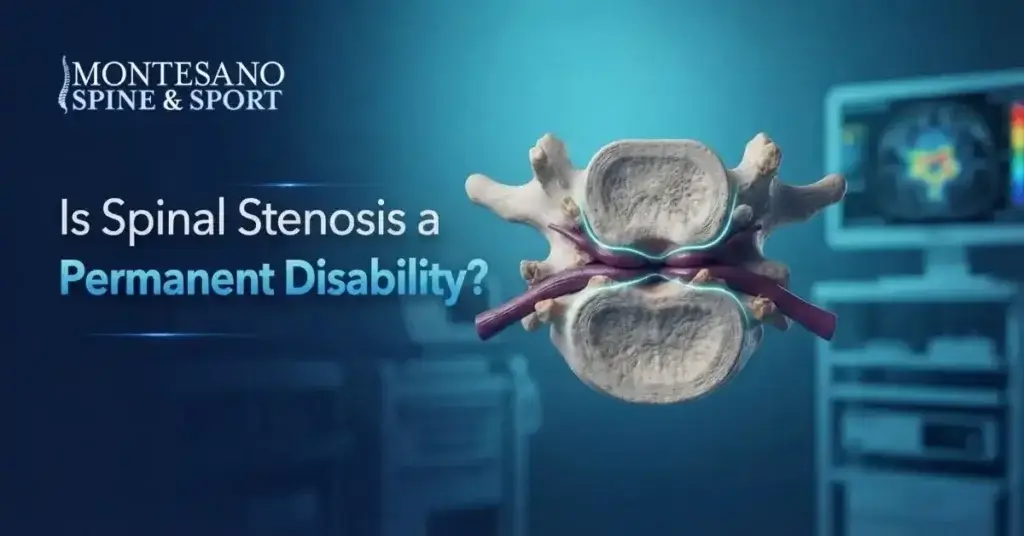
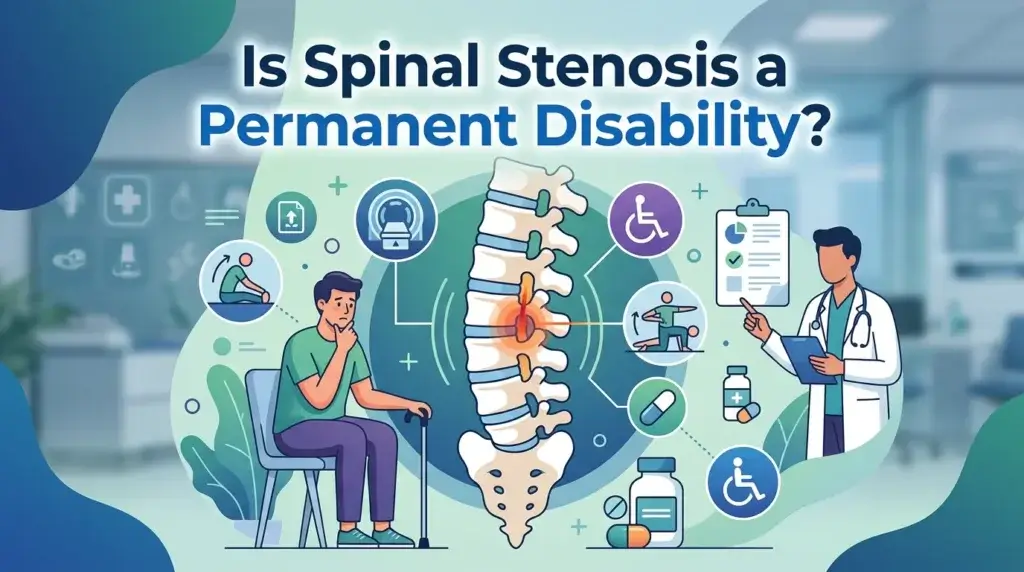
Spinal stenosis is a condition that occurs when the spaces in your spine narrow, putting pressure on the nerves that run through it. This narrowing can happen in the lower back (lumbar spine) or neck (cervical spine), leading to symptoms like pain, numbness, tingling, and weakness. Many patients wonder whether spinal stenosis is a permanent disability.
The truth is, spinal stenosis is not always permanent. With the right treatment and management, patients can improve mobility, reduce pain, and maintain an active lifestyle.
What is Spinal Stenosis?
Spinal stenosis occurs when the spinal canal becomes too tight. This compression can affect the spinal cord and nerves, causing discomfort and limiting movement. It can develop gradually due to age-related changes, herniated discs, spinal injuries, or genetic factors.
Common symptoms include:
- Pain in the lower back or neck
- Numbness or tingling in the arms or legs
- Weakness in limbs
- Difficulty walking or balancing
Causes of Spinal Stenosis
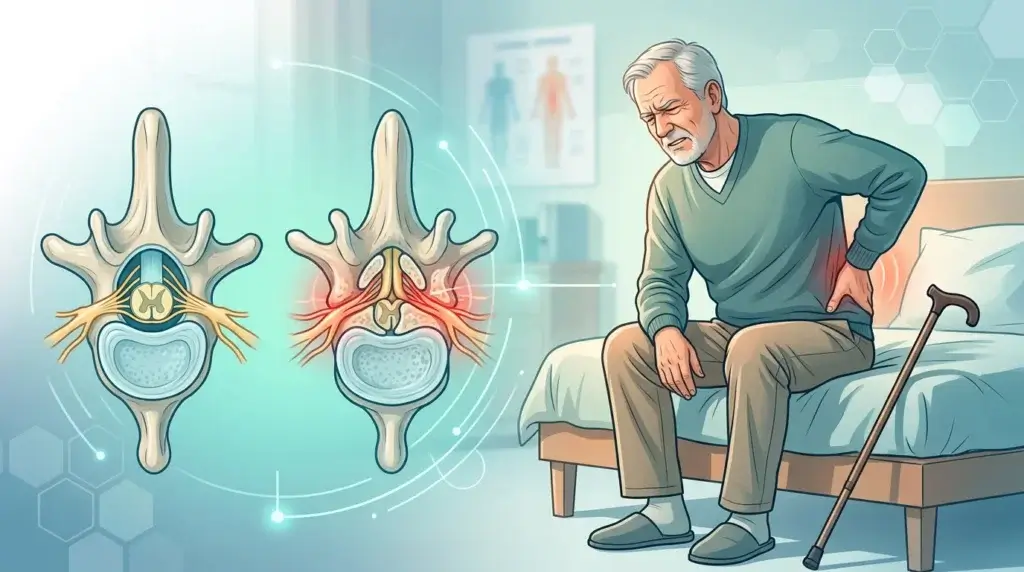
Understanding the causes of spinal stenosis can help determine the best treatment plan. Common causes include:
- Degenerative changes: Age-related wear and tear of the spine
- Herniated discs: Bulging discs pressing on nerves
- Spinal injuries: Trauma or fractures that narrow the spinal canal
- Genetic factors: Congenital narrow spinal canal in some individuals
Treatment Options
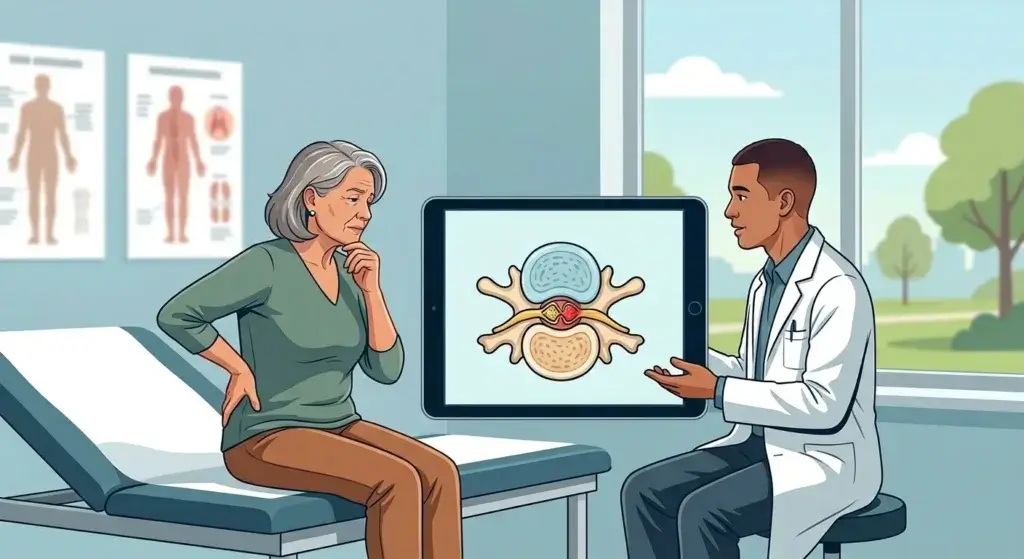
Treatment depends on the severity of symptoms and how much they affect daily life.
Non-Surgical Treatments
For mild to moderate stenosis, non-surgical methods can provide relief:
- Physical therapy and targeted exercises
- Anti-inflammatory medications
- Epidural steroid injections
- Lifestyle modifications like posture correction and avoiding heavy lifting
Surgical Treatments
When non-surgical care is not enough, surgery may be recommended to relieve nerve compression:
- Laminectomy: Removing part of the vertebra to open the spinal canal
- Spinal fusion: Stabilizing the spine
- Total disc replacement: Replacing damaged discs with artificial ones
- Minimally invasive decompression: Reducing pressure on nerves with smaller incisions
Understanding the Impact on Disability
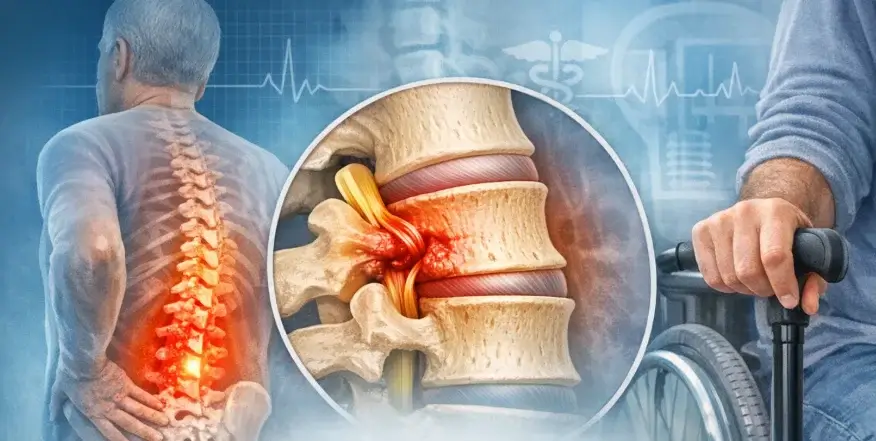
Spinal stenosis does not always lead to permanent disability. Many patients experience improved function and reduced symptoms with appropriate care. Early diagnosis and treatment are key to maintaining mobility and independence. Severe cases may limit daily activities, but surgical interventions can often restore significant function.
Request an Appointment
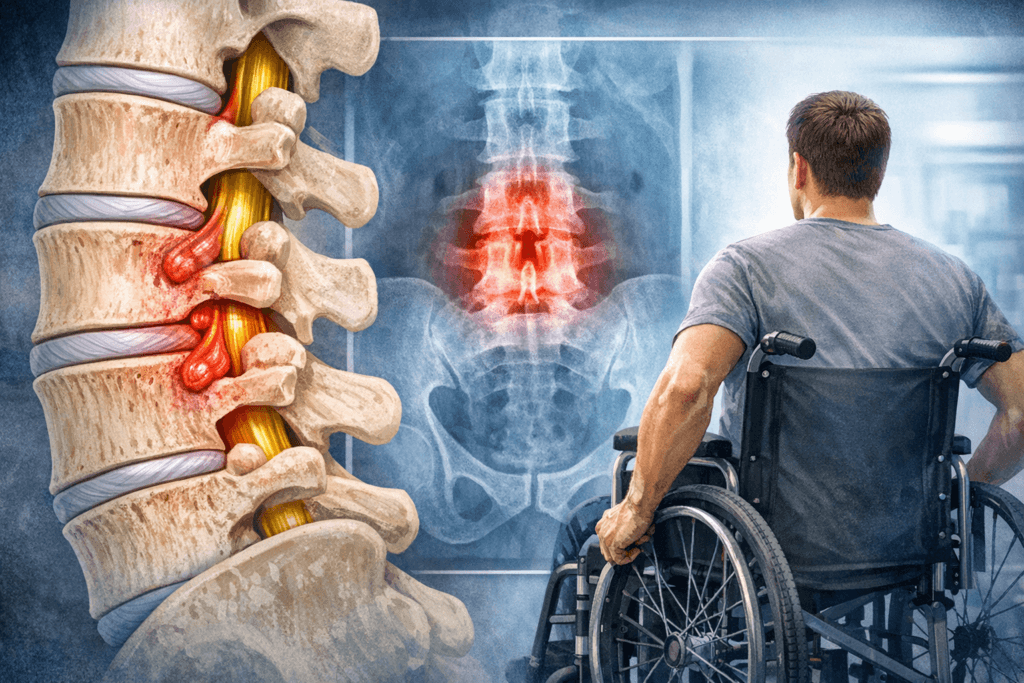
For a professional evaluation and personalized treatment plan, contact Dr. Pasquale X. Montesano today. Early consultation can help manage symptoms effectively and prevent progression.