
a. Dos
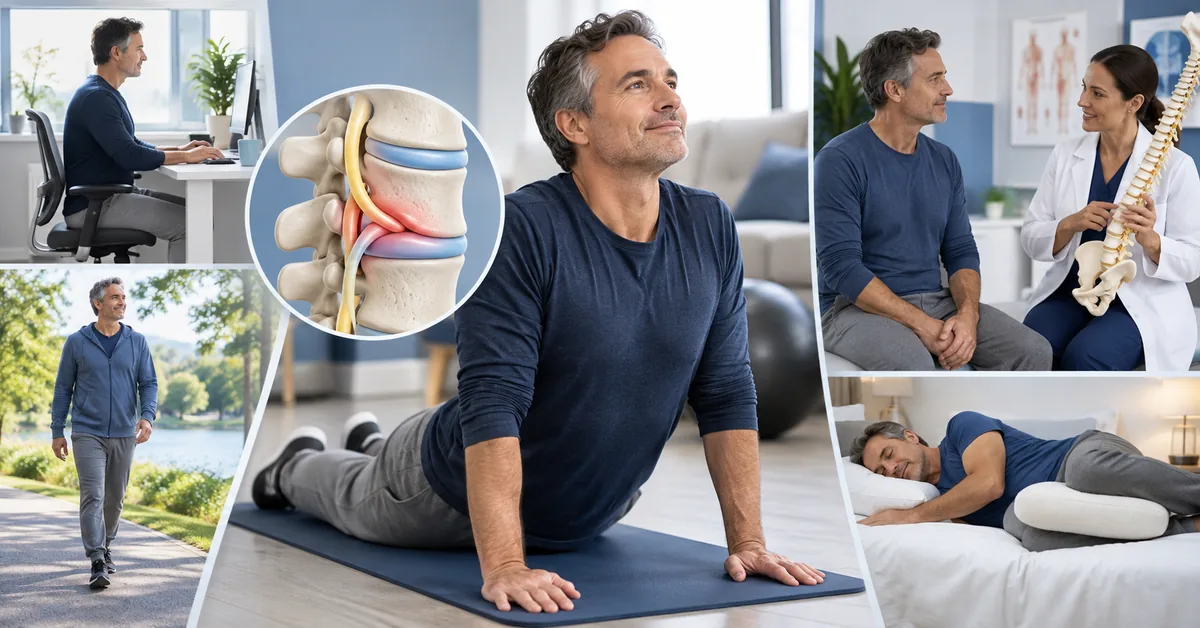
- Do gentle stretching and low-impact exercise (e.g., walking, swimming, yoga).
- Do maintain good posture when sitting, standing, and walking.
- Do change positions frequently – avoid sitting or standing too long.
- Do use proper lifting techniques – bend your knees, keep the load close.
- Do apply ice (first 48–72 hrs) and heat (after inflammation subsides).
- Do take anti-inflammatory meds or muscle relaxants as prescribed.
- Do strengthen your core muscles with PT guidance.
- Do sleep with proper spinal alignment – use supportive mattress and pillow.
- Do consider physical therapy for guided rehabilitation.
- Do follow up with your provider if symptoms persist or worsen.
b. Donts
- Don’t sit for long periods, especially with poor posture.
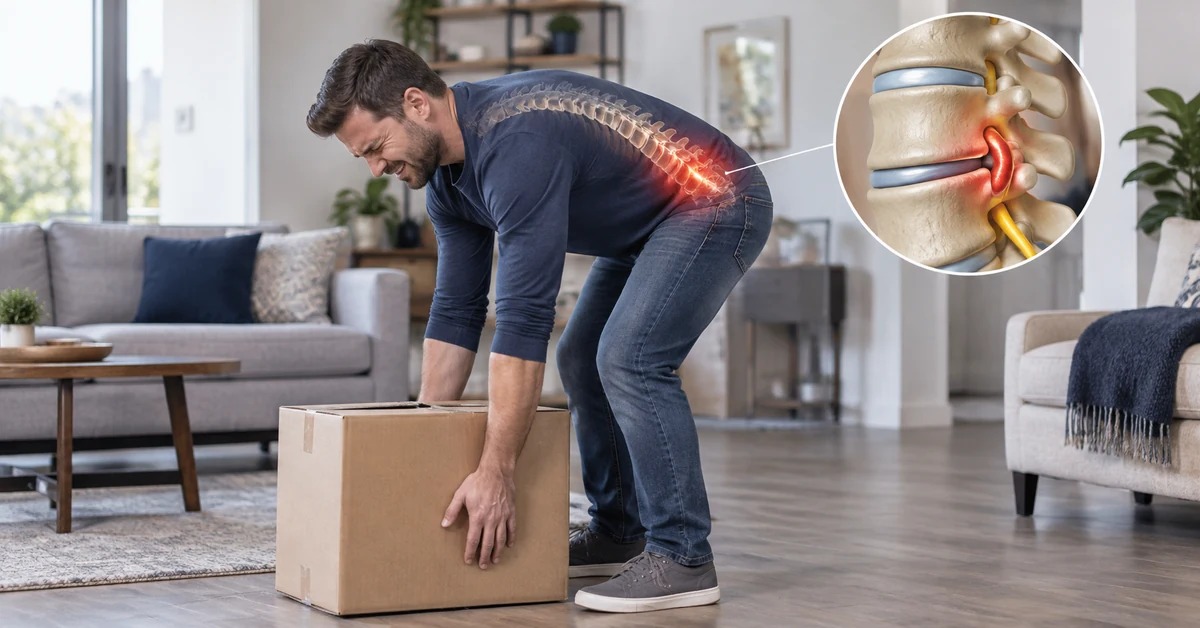
- Don’t lift heavy objects or twist while lifting.
- Don’t do high-impact activities (running, jumping, contact sports).
- Don’t slouch or hunch when sitting or using electronic devices.
- Don’t smoke – it impairs disc healing and accelerates degeneration.
- Don’t stay in bed for more than 1–2 days – movement aids recovery.
- Don’t ignore radiating pain, numbness, or weakness – seek evaluation.
- Don’t perform exercises that increase pain – avoid toe-touches, sit-ups.
- Don’t wear unsupportive shoes – use cushioned, supportive footwear.
- Don’t delay MRI or treatment if symptoms are persistent or worsening.