


Quick Answer: A steroid shot for back pain is most often an epidural corticosteroid injection used to reduce inflammation around an irritated spinal nerve. Evidence is strongest for short-term relief of radicular pain such as sciatica, while benefit is less predictable for pain confined to the lower back.
An epidural steroid injection is not the same as an anabolic steroid and is not a cure for a herniated disc or stenosis. It may create a temporary window in which walking, sleep, work, and physical therapy become easier. The decision should start with a diagnosis, because “back pain” can come from nerves, discs, joints, muscles, infection, fracture, or other causes.
Steroid Shot Recovery Timeline
| Time | What is common | Recommended approach |
|---|---|---|
| During the procedure | Pressure, brief tingling, or familiar leg pain | Tell the clinician what you feel |
| First 24 hours | Injection-site soreness or temporary pain flare | Follow discharge instructions; use wrapped cold pack if advised |
| 2 to 7 days | Steroid effect may begin | Resume activity gradually and track function |
| Following weeks | Relief may stabilize or fade | Use improvement to advance rehabilitation |
What Is a Steroid Shot for Back Pain?
The epidural space lies outside the membrane surrounding the spinal cord and nerve roots. A clinician places a corticosteroid, often with local anesthetic, near the irritated nerve using a transforaminal, interlaminar, or caudal approach. The route depends on anatomy, symptoms, prior surgery, and the treatment target.
These injections may be considered for sciatica from a herniated disc, foraminal narrowing, or spinal stenosis. A 2025 American Academy of Neurology review found probable short-term reductions in pain and disability for radiculopathy, but insufficient evidence for long-term pain relief. For chronic pain limited to the back, benefit is generally less certain.
Related SpineDocs reading: Anti-inflammatory injections: what you need to know and Surgery for sciatica pain relief.
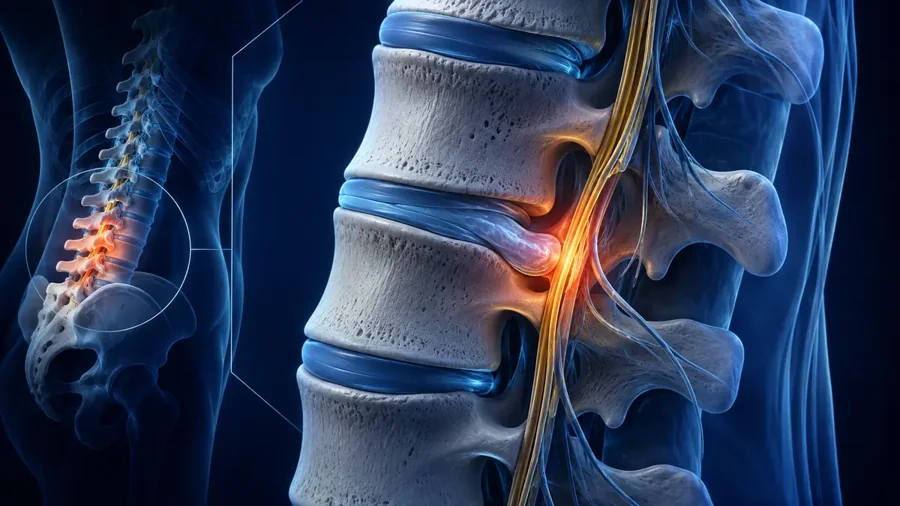
Key takeaway: The best-supported target is radiating nerve pain caused by inflammation, not nonspecific axial back pain.
How the Procedure Is Performed
Before the injection, the team reviews medications, allergies, pregnancy status, diabetes, infection symptoms, bleeding risk, and imaging. Blood thinners may require a coordinated plan; never stop them without instructions from the prescribing clinician. Fasting and transportation rules depend on whether sedation is used.
The patient lies on a procedure table. After sterile preparation and local numbing, fluoroscopy guides the needle toward the epidural space. Contrast may confirm spread before medication is injected. The procedure itself often takes about 15 to 30 minutes, followed by a short observation period. Mild pressure or reproduction of the usual leg symptoms can occur.

Key takeaway: Imaging guidance, medication review, and clear communication during the injection support accuracy and safety.
What to Expect After a Lumbar Epidural Steroid Injection
Numbness or relief from local anesthetic may last a few hours. Soreness, bruising, flushing, headache, restlessness, or a temporary increase in pain can occur during the first day or two. The steroid effect often begins within two to seven days, although timing varies.
Follow the specific discharge plan. Many patients rest on the procedure day, avoid soaking the site, and return to usual activity gradually. A wrapped cold pack may help local tenderness. People with diabetes may need closer glucose checks because corticosteroids can temporarily raise blood sugar.

Key takeaway: Immediate numbness is not the final result; evaluate the injection after the steroid has had time to act.
Benefits, Limits, and How Long Relief Lasts
A useful response means more than a lower pain score. Better sleep, longer walking tolerance, reduced leg symptoms, or improved participation in therapy are meaningful outcomes. Relief can last days, weeks, or months, and some patients do not improve.
The injection does not remove a disc herniation, widen stenosis, or guarantee avoidance of surgery. Repeated injections should not become an automatic schedule. Frequency and cumulative steroid exposure must account for bone health, blood sugar, infection risk, eye pressure, and overall benefit.
Best practice is to set a functional goal before the procedure and use any relief to build strength, mobility, and activity tolerance.

Key takeaway: The injection is most valuable when temporary pain control leads to measurable functional progress.
Side Effects, Risks, and Red Flags
Common effects include site tenderness, temporary pain flare, flushing, insomnia, anxiety, and transient blood-sugar or blood-pressure elevation. Less common risks include bleeding, infection, dural puncture with severe positional headache, allergic reaction, and nerve injury. The FDA has warned of rare but serious neurologic events after epidural corticosteroid injection and notes that corticosteroids are not approved specifically for epidural administration.
Seek prompt advice for fever, increasing redness or drainage, severe headache that improves when lying down, new weakness or numbness, loss of bowel or bladder control, chest pain, or breathing difficulty.
Key takeaway: Serious complications are uncommon, but new neurologic symptoms or infection signs require urgent contact with a clinician.
Common Mistakes to Avoid
Avoid choosing an injection before identifying whether the pain is radicular, changing blood thinners without medical coordination, expecting instant permanent relief, or returning immediately to strenuous activity. Do not judge success only by the first few anesthetic hours. Keep the follow-up appointment so the result can guide rehabilitation or the next diagnostic step.
Key takeaway: Clear diagnosis, realistic goals, safe medication planning, and follow-up matter as much as the injection itself.
Conclusion
A steroid shot for back pain is most likely to help when inflamed nerve-root pain is the main problem. Expect a brief procedure, a possible short flare, and several days before judging the steroid response. The goal is safer function and progress in rehabilitation, not simply repeating injections.
Resources and References
Request an Appointment
Ready to discuss your symptoms or treatment options? Request an appointment with SpineDocs | Montesano Spine & Sport for an individualized evaluation.