
Ischial bursitis, often called “weaver’s bottom,” is a painful condition that affects the bursa located near the sitting bones at the bottom of the pelvis. This small, fluid-filled sac helps cushion the ischial tuberosity (the bony part of your buttock) and reduces friction between the bone and surrounding tissues. When this bursa becomes inflamed, it can cause deep pain, especially when sitting or stretching the legs.
Understanding Ischial Bursitis
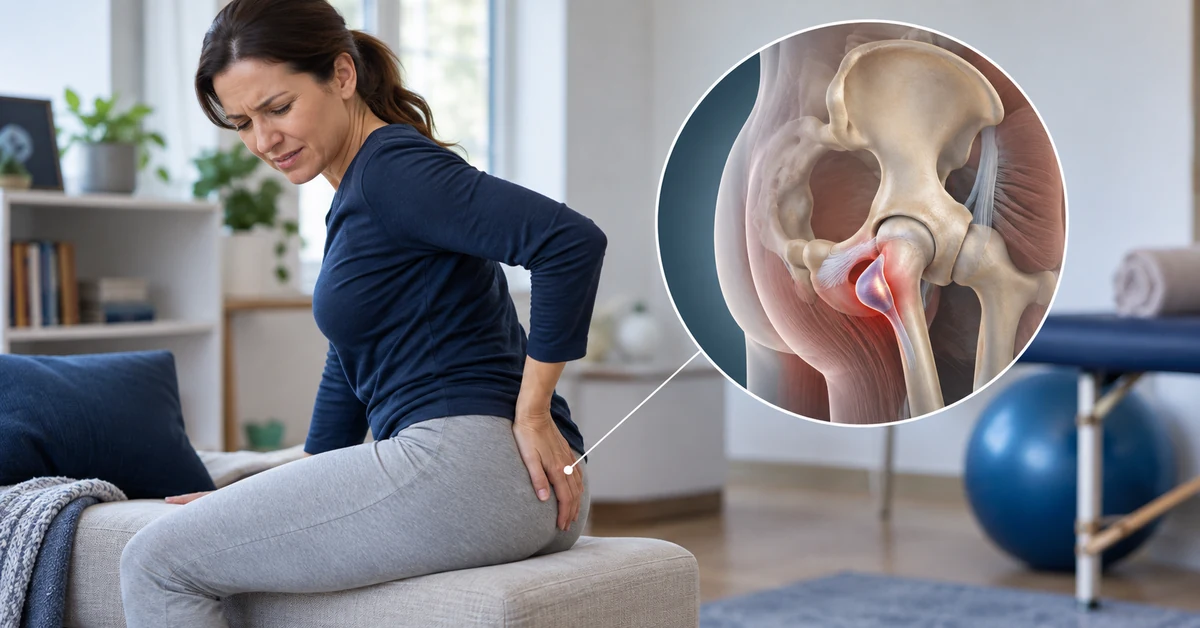
The ischial bursa acts as a shock absorber between the gluteal muscles and the bone. It allows smooth movement during sitting and leg extension. When inflammation develops due to overuse, injury, or prolonged pressure, the pain can radiate to the lower back, buttocks, or even down the hamstring.
People who spend long hours sitting on hard surfaces, athletes like runners and cyclists, and individuals recovering from hamstring injuries are more prone to this condition.
Symptoms of Ischial Bursitis
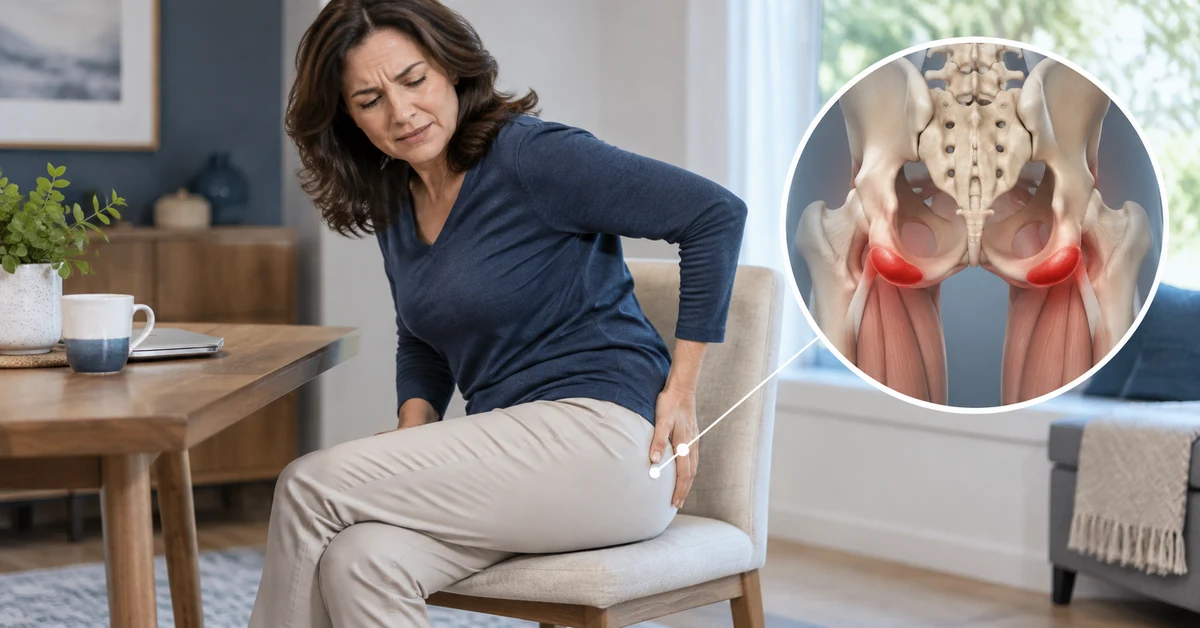
The symptoms of ischial bursitis can develop gradually or appear after a specific strain or trauma. The most common signs include:
- Deep pain in the buttock area that worsens when sitting, climbing stairs, or stretching the leg.
- Tenderness over the lower buttock, near the bone.
- Swelling or warmth in the affected area (in severe cases).
- Pain radiating to the back of the thigh, often confused with hamstring strain or sciatica.
- Stiffness after rest, especially in the morning or after long sitting sessions.
Pain often improves when standing or lying on the side, as this reduces direct pressure on the inflamed bursa.
Causes of Ischial Bursitis
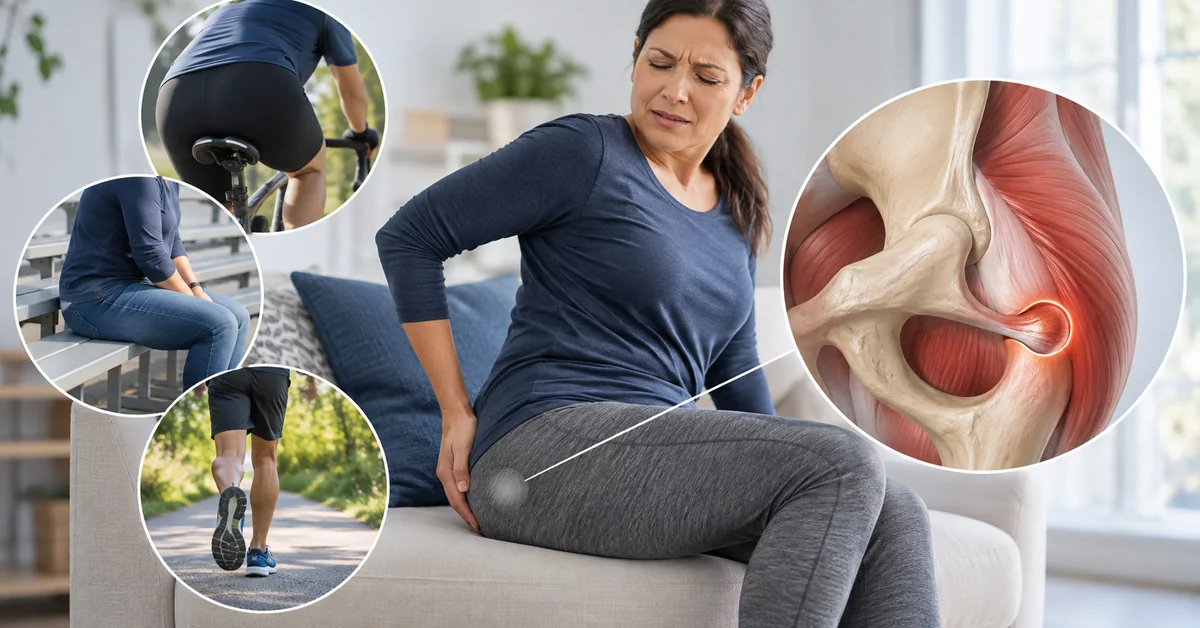
Ischial bursitis can develop from a variety of factors. The main causes include:
- Prolonged Sitting: Sitting for long periods, especially on hard surfaces, can irritate the bursa and lead to inflammation.
- Repetitive Motion: Activities like running, cycling, or rowing that involve constant leg extension can strain the area.
- Direct Trauma: A fall on the buttocks or repeated microtrauma can trigger inflammation.
- Muscle Tightness or Weakness: Tight hamstrings or weak gluteal muscles may place added stress on the bursa.
- Infection or Systemic Inflammation: Rarely, infection or inflammatory diseases like rheumatoid arthritis can cause bursitis.
Diagnosis and Tests
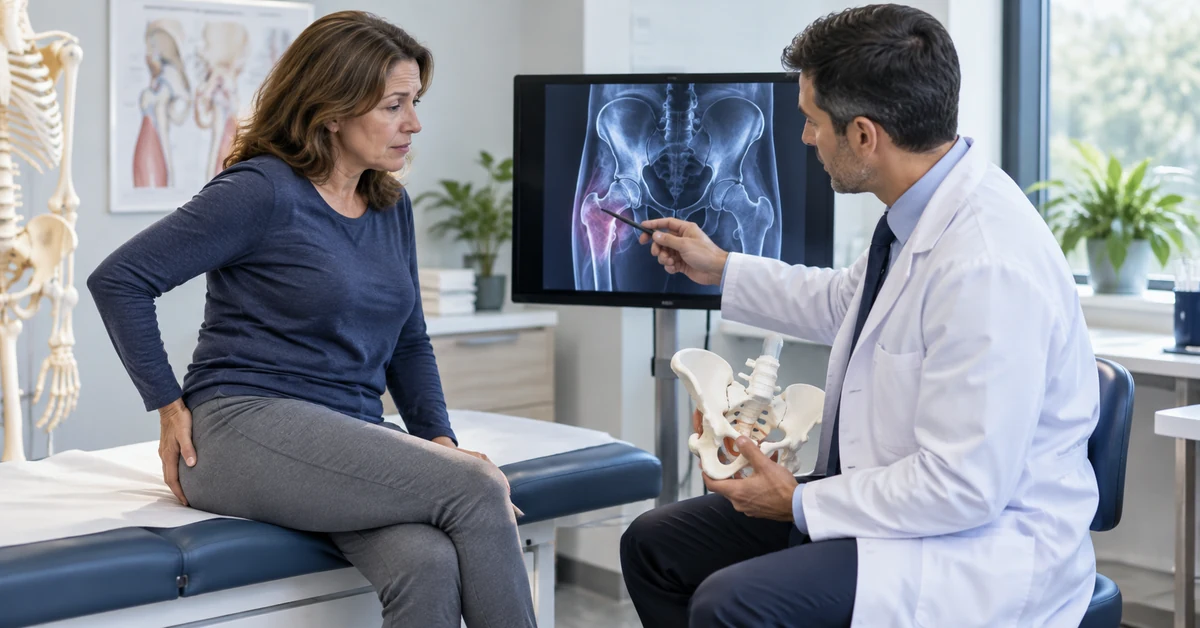
Diagnosing ischial bursitis starts with a physical examination and detailed discussion about the patient’s activities, lifestyle, and medical history. The doctor will look for tenderness and pain around the sitting bones and may ask the patient to perform certain movements to identify the pain source.
Common diagnostic methods include:
- Physical Examination: The physician checks for tenderness over the ischial tuberosity and evaluates hip movement.
- Imaging Tests:
- X-rays help rule out bone fractures or arthritis.
- Ultrasound can show bursal swelling or fluid buildup.
- MRI scans provide detailed images of soft tissues, helping differentiate bursitis from other conditions like hamstring tendinopathy or sciatica.
- Lab Tests: In cases where infection is suspected, a fluid sample from the bursa may be analyzed.
Proper diagnosis is crucial because ischial bursitis symptoms often overlap with other causes of buttock pain.
Management and Treatment
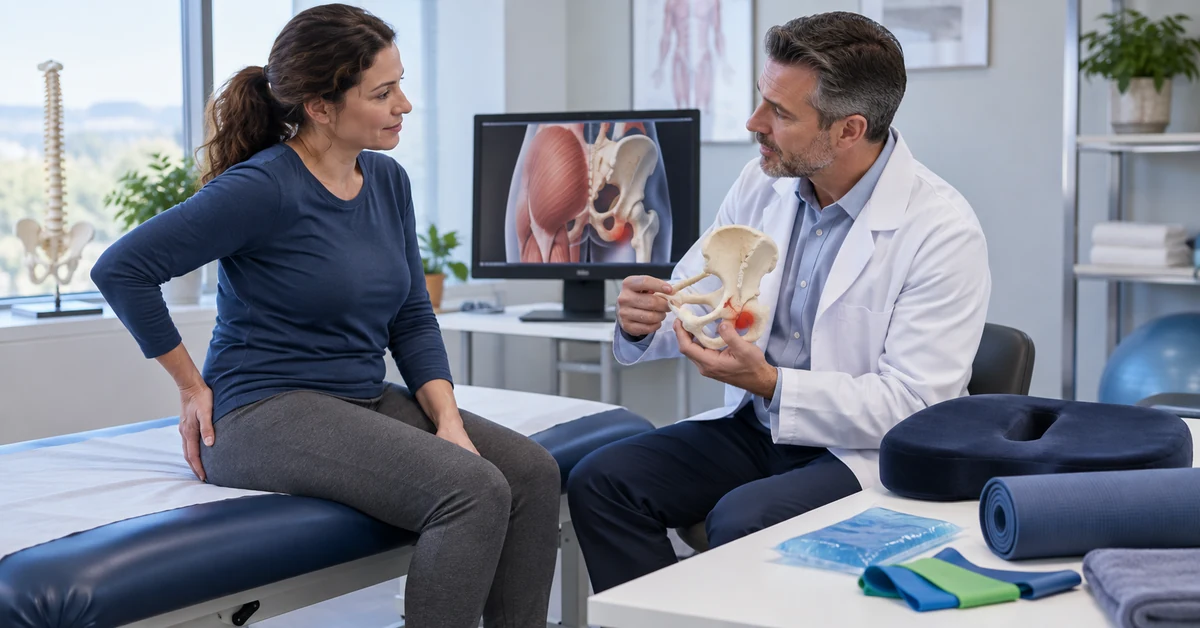
Most cases of ischial bursitis respond well to conservative treatment. The main goals are to reduce pain, decrease inflammation, and prevent recurrence.
1. Rest and Activity Modification
Avoid sitting for long periods or engaging in activities that aggravate the pain. Use soft cushions or padded seats to relieve pressure on the affected area.
2. Ice and Heat Therapy
Apply ice packs to reduce inflammation in the first few days. After the pain subsides, switch to gentle heat therapy to relax the muscles and improve blood flow.
3. Medications
Nonsteroidal anti-inflammatory drugs (NSAIDs) like ibuprofen can help relieve pain and swelling. If pain persists, a doctor may recommend corticosteroid injections directly into the bursa for faster relief.
4. Physical Therapy
A physical therapist can design a program to stretch tight muscles and strengthen surrounding areas. Common exercises include gentle hamstring stretches and gluteal strengthening routines. Correcting posture and movement patterns also helps reduce pressure on the bursa.
5. Assistive Support
For severe pain, a cushion or seat pad can reduce stress while sitting. In rare cases, using crutches for a short period can help offload weight from the area.
6. Invasive Treatments
If conservative measures fail, a doctor might recommend aspiration (draining fluid from the bursa) or, very rarely, surgical removal of the inflamed bursa.
Preventing Ischial Bursitis
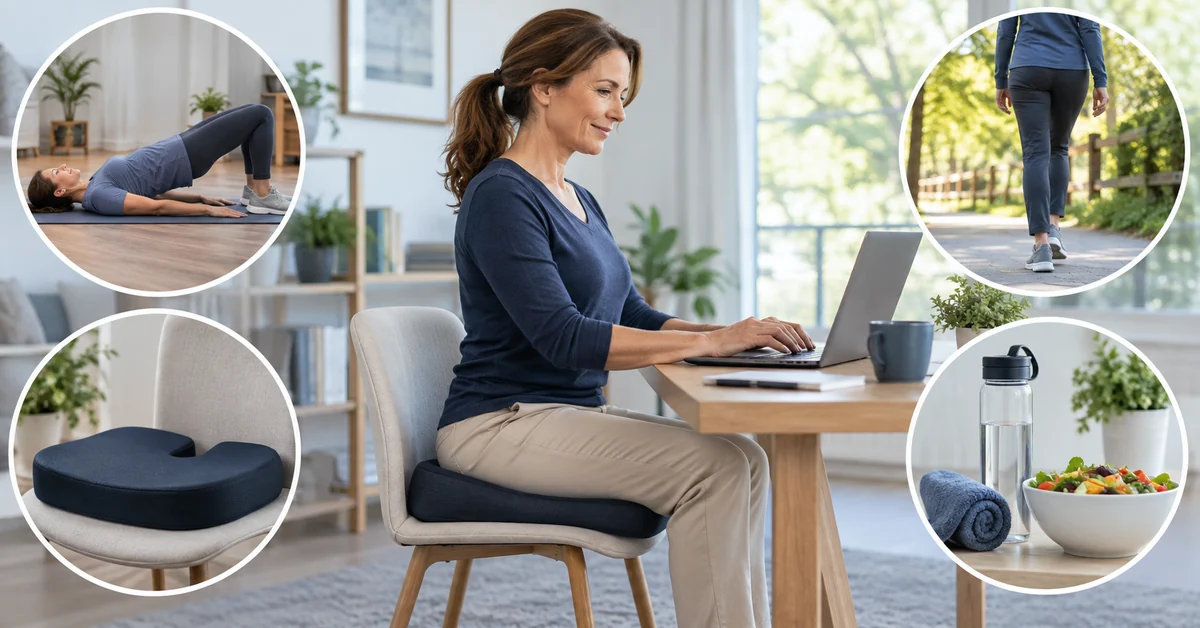
Prevention focuses on minimizing strain and maintaining muscle flexibility. Here are some useful tips:
- Take breaks when sitting for long hours.
- Use padded chairs or cushions.
- Warm up properly before exercise.
- Stretch hamstrings and gluteal muscles regularly.
- Maintain good posture while sitting and exercising.
- Gradually increase activity levels to avoid overuse.
Living with Ischial Bursitis
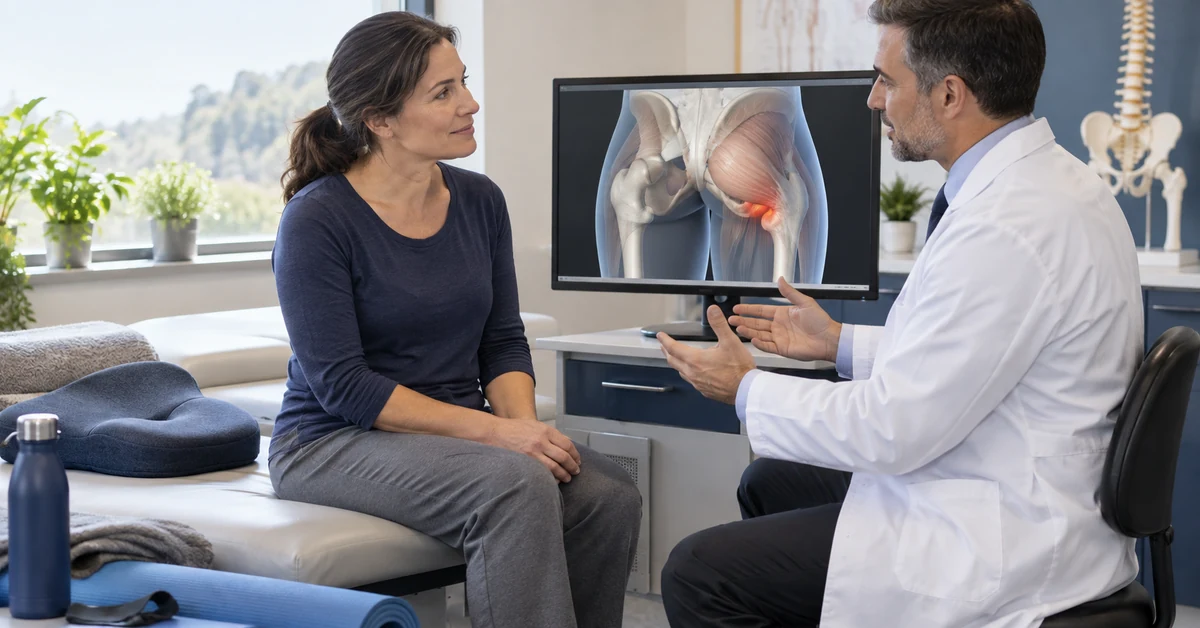
Most people recover fully with proper care and treatment. However, recovery time varies depending on the severity and the individual’s daily activity level. Staying active while avoiding pain-triggering movements helps prevent recurrence. Persistent or chronic cases may require ongoing physical therapy or adjustments in lifestyle habits.
When to See a Doctor
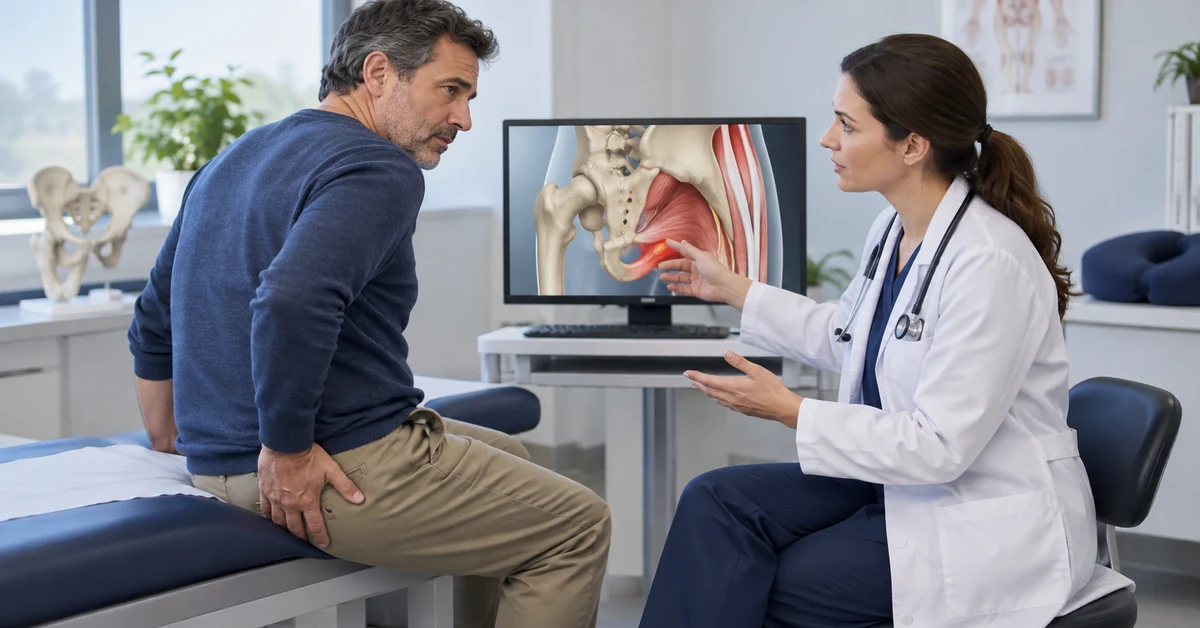
Seek medical attention if you experience:
- Constant pain that doesn’t improve with rest or over-the-counter medications.
- Fever or signs of infection (redness, warmth, swelling).
- Numbness or tingling in the legs.
- Difficulty sitting or walking for extended periods.
Early diagnosis and proper treatment can prevent long-term complications and help you return to your daily activities comfortably.
Final Thoughts
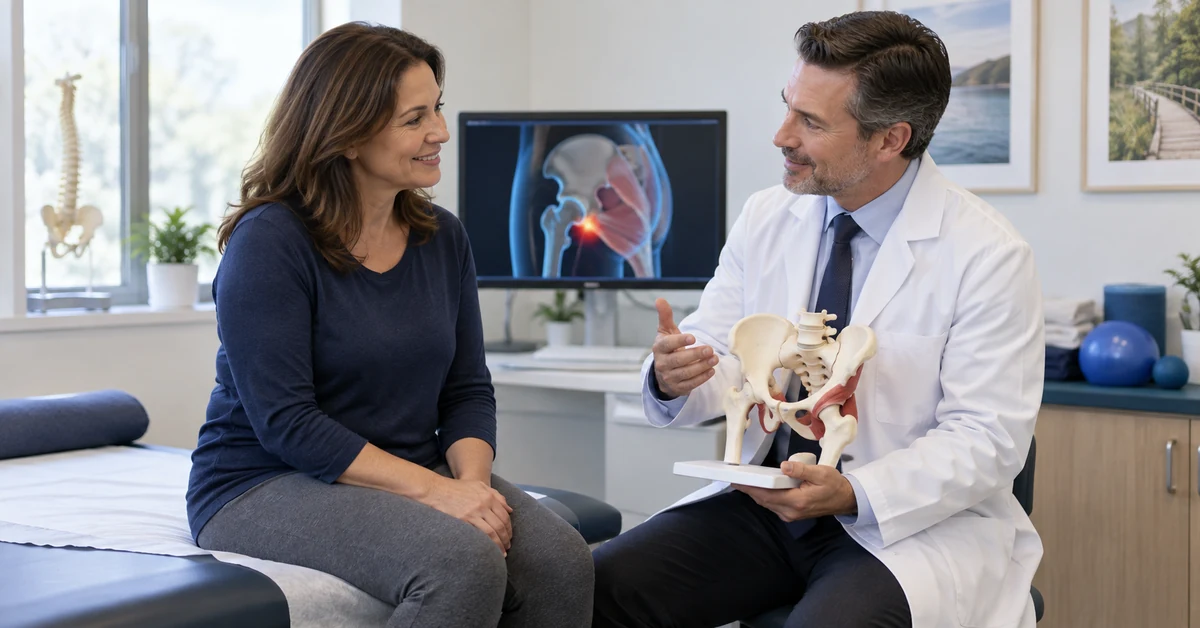
Ischial bursitis can be uncomfortable, but with the right care and attention, recovery is achievable. Understanding the symptoms, causes, and treatment options is the first step toward effective management. If you suspect you have ischial bursitis, consult a healthcare professional for a personalized treatment plan.
Book An Appointment
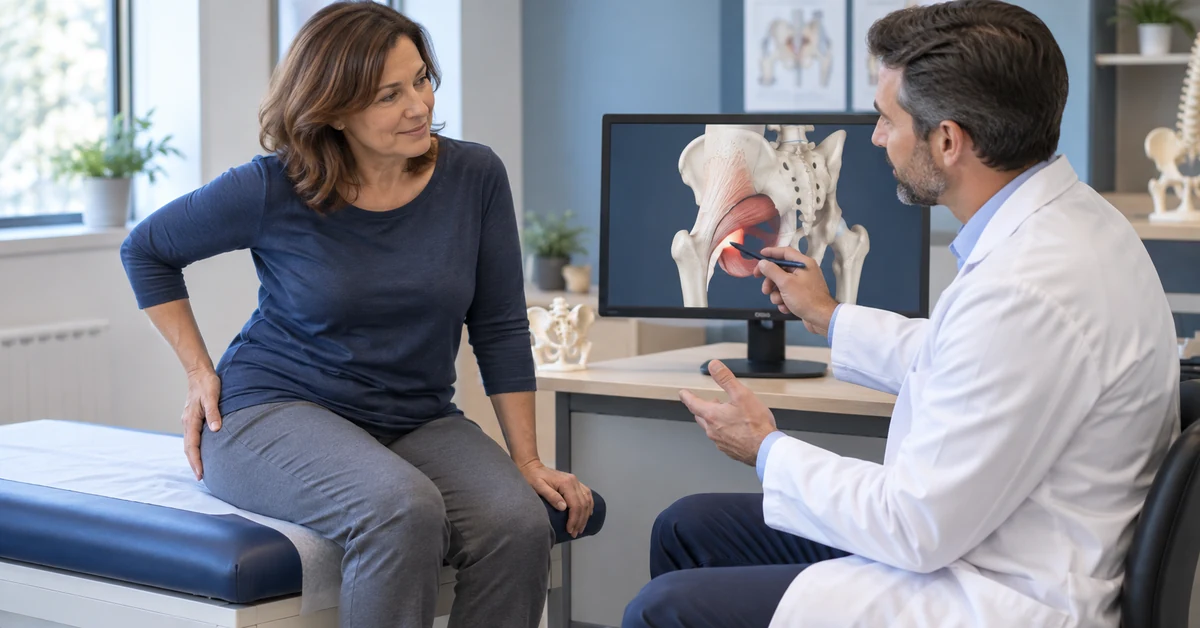
Call Montesano Spine & Sport at 941-402-4003 or visit our Contact Us page to fill out the form and schedule your first consultation. Our team is here to guide you through every step toward better spine health and lasting relief.