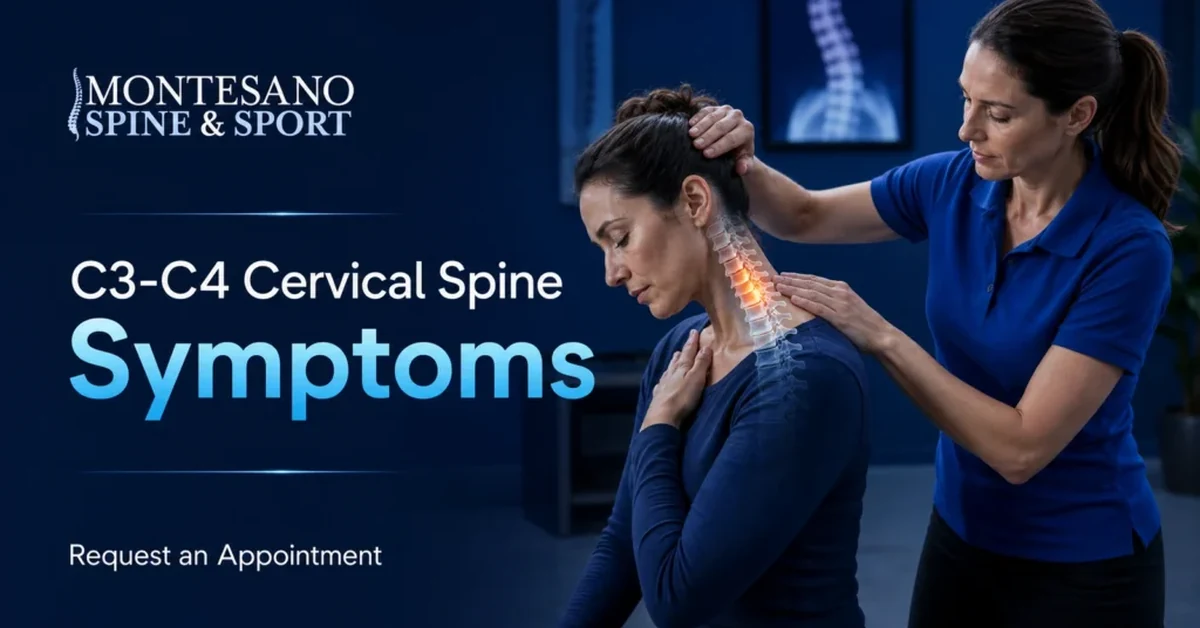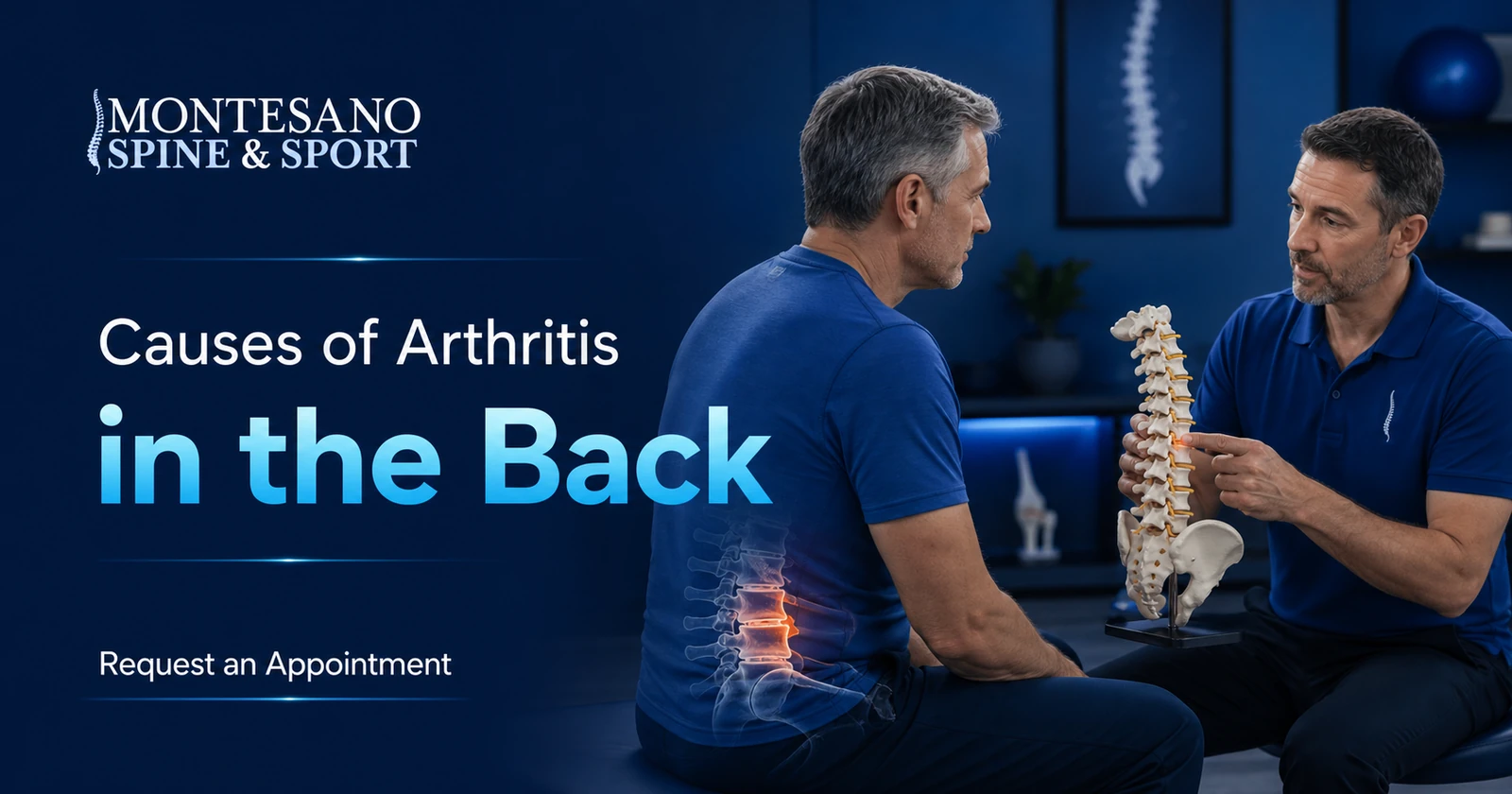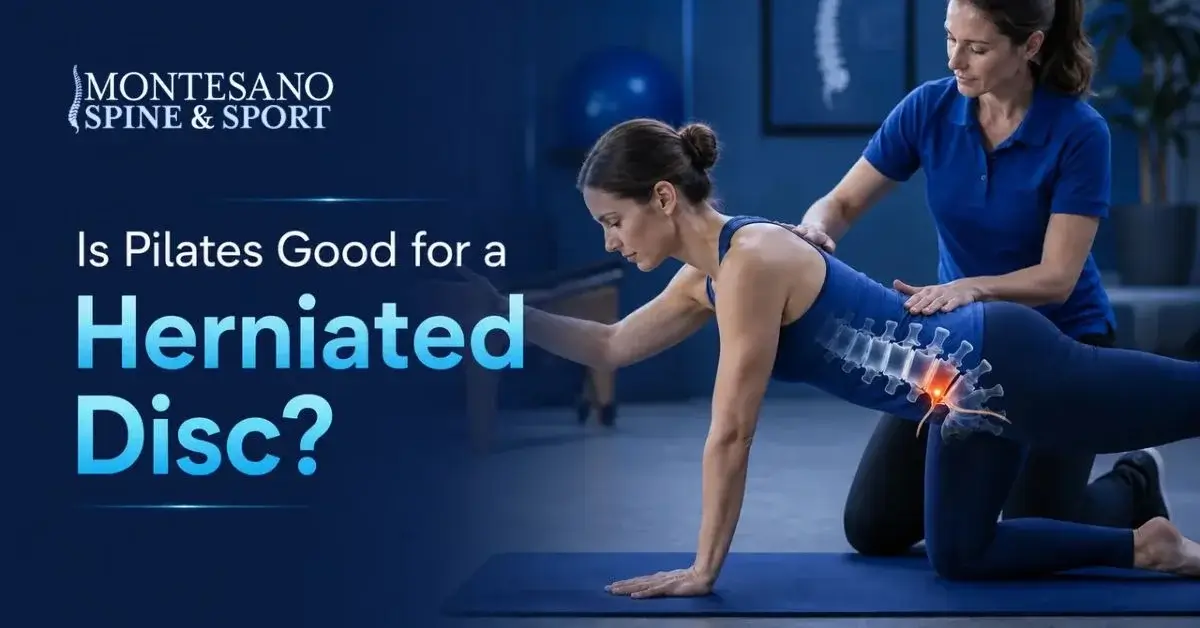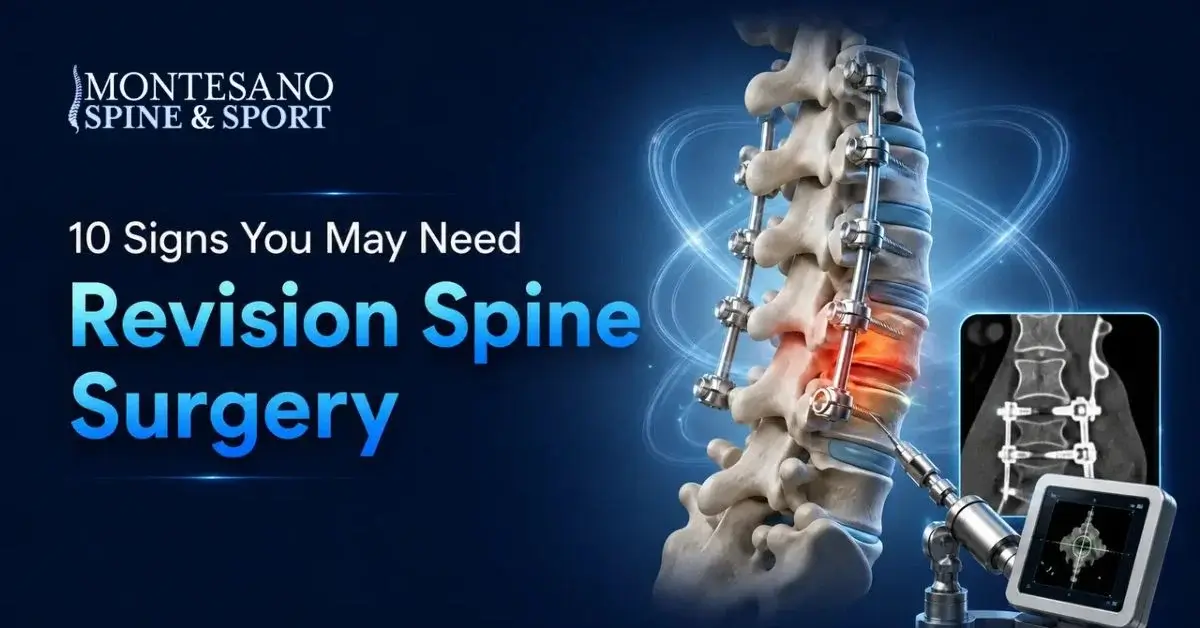


Good posture can help prevent injuries in your back and neck. It’s not just about looking good – it’s also about feeling great! By keeping your spine straight and shoulders back when sitting, standing, or lifting heavy objects, you can reduce the risk of injury to your muscles and ligaments. You don’t need to be an athlete or fitness fanatic to benefit from better posture – anyone that is required to sit or stand for hours on end or those with a sedentary lifestyle can improve their health by improving their body mechanics.
If your back or neck pain is preventing you from sitting or standing up straight, or the thought of lifting even light objects off the ground causes you discomfort, contact the offices of Montesano Spine Sport. Our team of specialists are here to help improve your range of motion and get you on the right road to recovery. Contact Montesano Spine and Sport today!
For Beverly Hills and West Coast of America patients, please call 310-858-5561 OR 1-866-79-DR-SPINE.
For Sarasota Florida OR East Coast of America patients, please call 1-941-402-4003.