
The human spine is a remarkable structure that supports the body, protects the spinal cord, and allows for movement. It is divided into regions, each with a unique role. Among these, the thoracic spine is often less talked about but plays a critical part in stability and protection. Understanding what the thoracic spine is, how it functions, and why it matters can provide a better perspective on spinal health.
Location and Structure of the Thoracic Spine
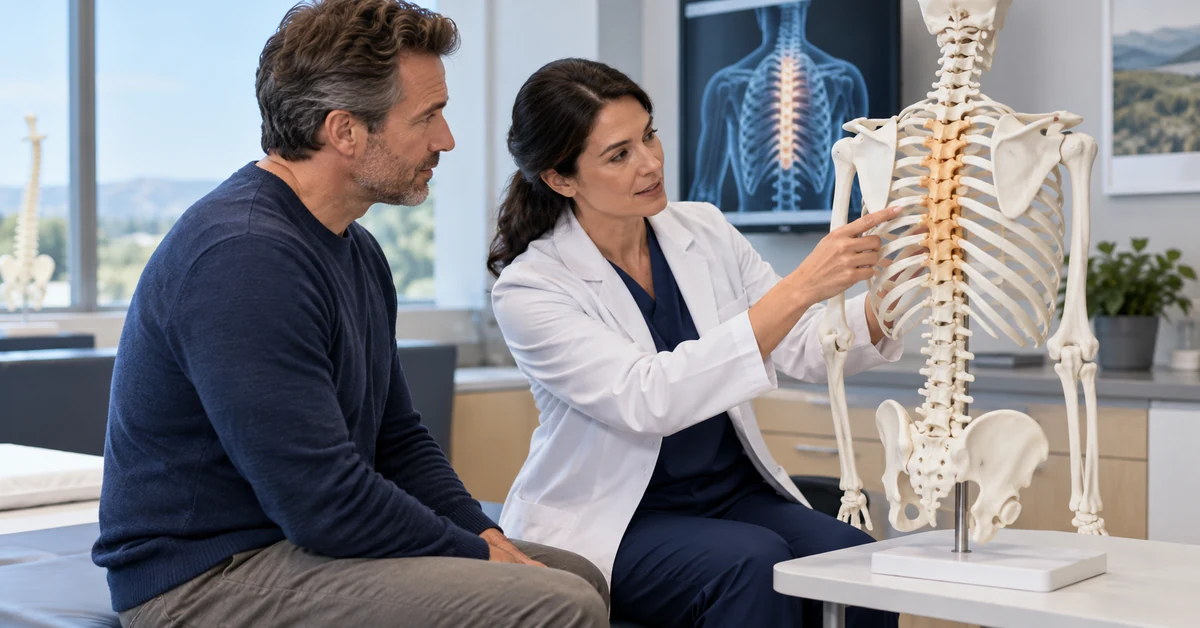
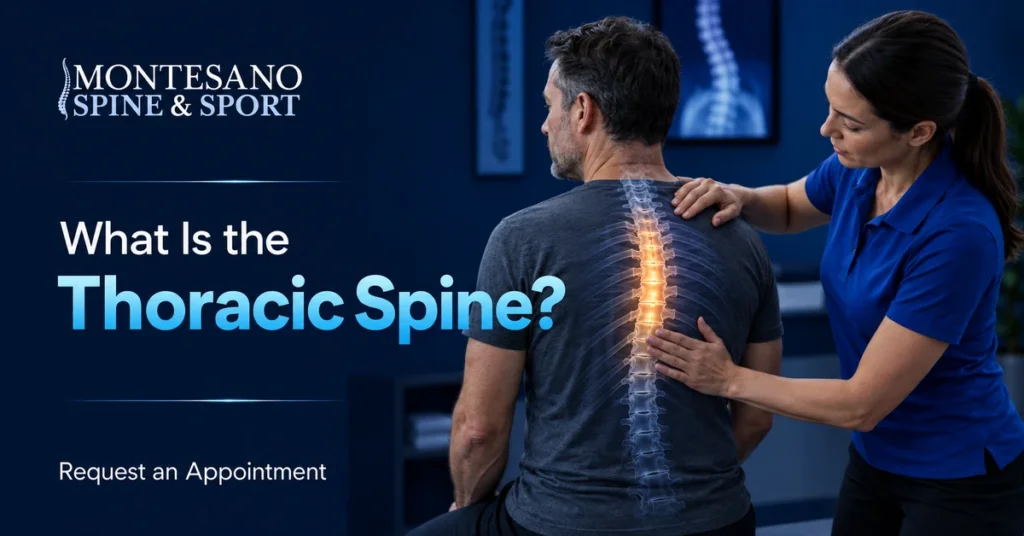
The thoracic spine is the middle portion of the vertebral column, positioned between the cervical spine in the neck and the lumbar spine in the lower back. It is made up of 12 vertebrae, labeled T1 through T12. These vertebrae form a gentle curve that bends outward, a shape known as kyphosis.
Each thoracic vertebra is connected to a pair of ribs, creating a stable and protective cage around the heart and lungs. This rib attachment makes the thoracic spine less mobile than the cervical and lumbar regions, but it provides essential stability and defense for vital organs.
Functions of the Thoracic Spine
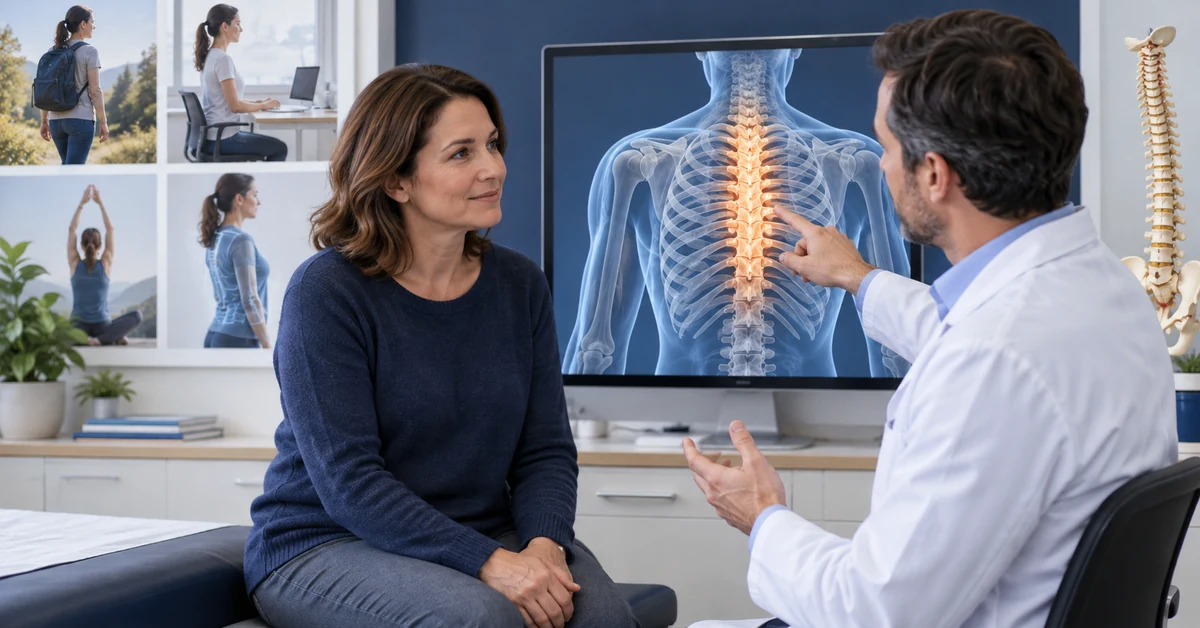
The thoracic spine serves several key roles in the body:
- Protection: By forming the back portion of the rib cage, it shields the spinal cord, heart, and lungs.
- Support: It helps maintain posture and provides an anchor for muscles of the back and chest.
- Movement: Though less flexible than other spinal regions, it allows for rotation, bending, and twisting to some degree.
Because of these functions, the thoracic spine is vital for both mobility and structural integrity.
Common Conditions Affecting the Thoracic Spine
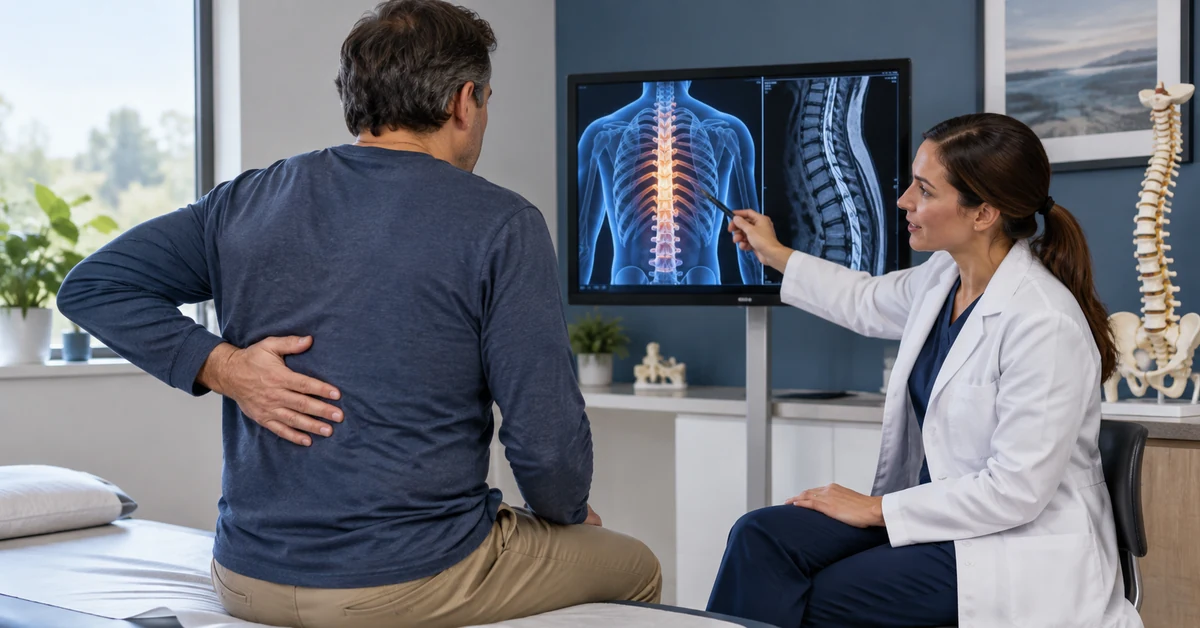
Like any other part of the spine, the thoracic region can experience issues due to injury, degeneration, or deformity. Some of the most common conditions include:
- Thoracic Disc Herniation
Although less common than in the cervical or lumbar spine, discs in the thoracic region can bulge or rupture, causing pressure on spinal nerves. This may lead to pain, numbness, or weakness that radiates around the torso. - Kyphosis
An excessive outward curve of the thoracic spine can lead to a rounded upper back. While mild kyphosis is normal, severe cases can cause discomfort, stiffness, or difficulty standing upright. - Scoliosis
This condition involves a sideways curve of the spine that may affect the thoracic region. It often develops in adolescence and can range from mild to severe. - Degenerative Disc Disease
Age-related changes in the discs between thoracic vertebrae can cause stiffness, pain, and reduced mobility. - Fractures
Trauma, osteoporosis, or other conditions can cause vertebral fractures in the thoracic spine, which may be painful and require medical attention.
Symptoms of Thoracic Spine Problems
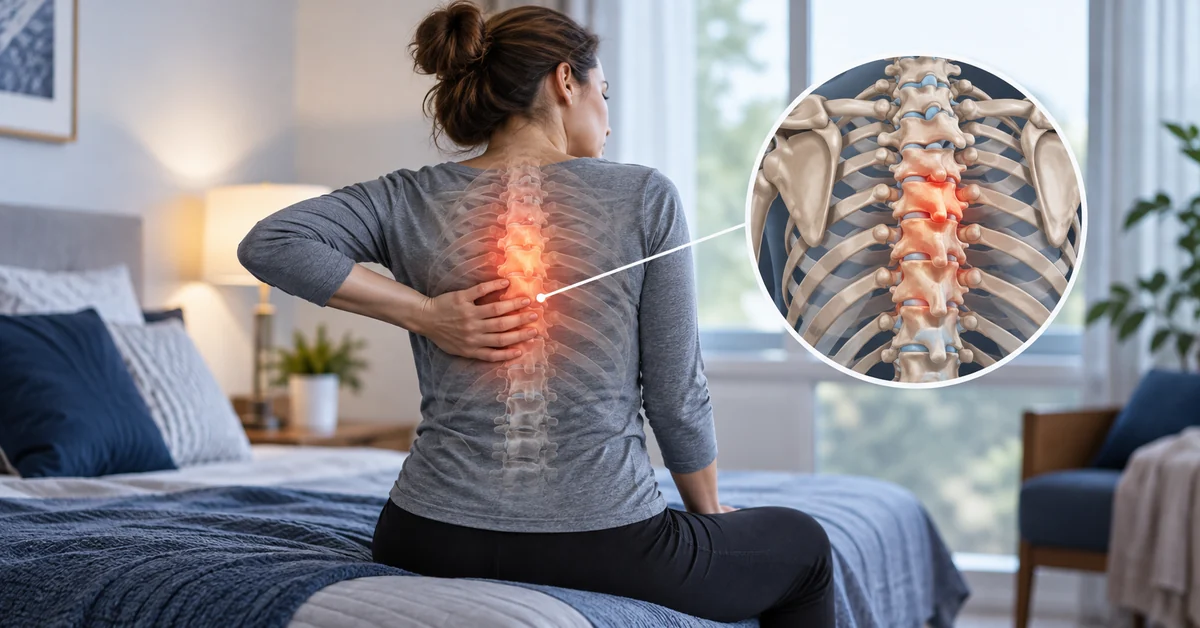
When issues arise in the thoracic spine, they may present with different symptoms compared to problems in the neck or lower back. Some signs to watch for include:
- Mid-back pain that may spread to the chest or ribs
- Stiffness and difficulty with twisting or bending
- Tingling or numbness in the torso or legs
- Muscle weakness
- Noticeable changes in posture
Persistent or severe symptoms should be evaluated by a spine specialist to determine the underlying cause and appropriate treatment.
Diagnosis and Treatment
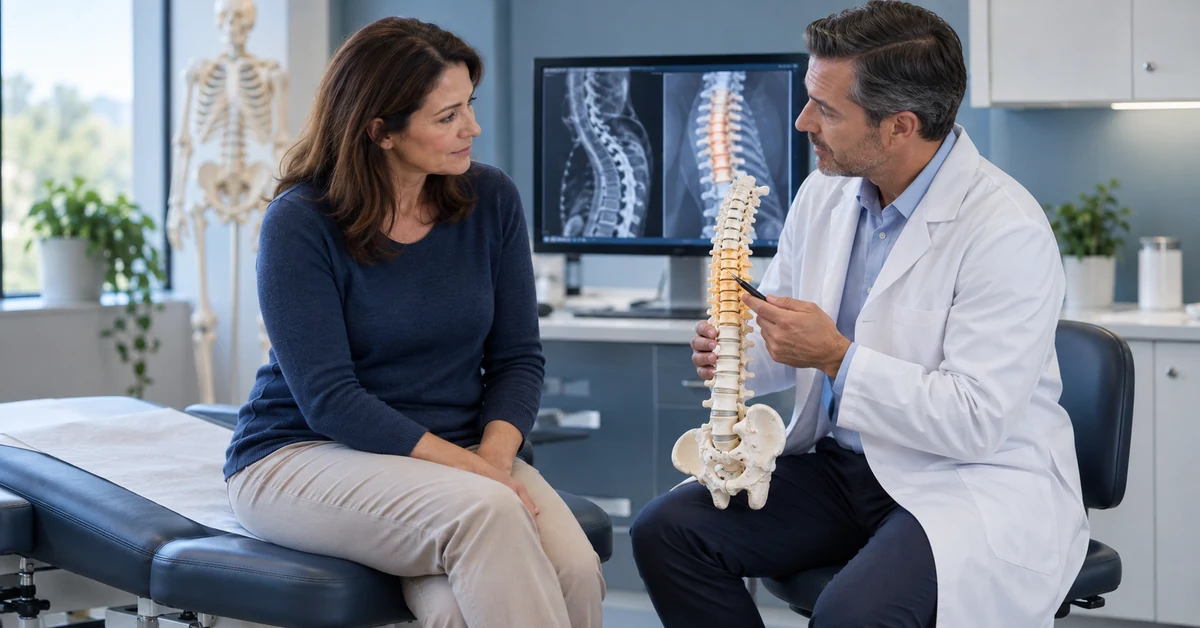
Diagnosis typically begins with a physical examination, a review of medical history, and imaging studies such as X-rays, MRI, or CT scans. These tools help identify structural issues, nerve compression, or fractures.
Treatment depends on the specific condition but often starts with conservative approaches such as physical therapy, pain management, and lifestyle adjustments. Exercises to improve posture, strengthen the core, and increase flexibility may reduce symptoms and prevent progression.
In cases where conservative care does not bring relief, or when the condition is severe, surgical options may be considered. Minimally invasive procedures, spinal fusion, or disc replacement can help restore function and reduce pain.
Importance of Spinal Health
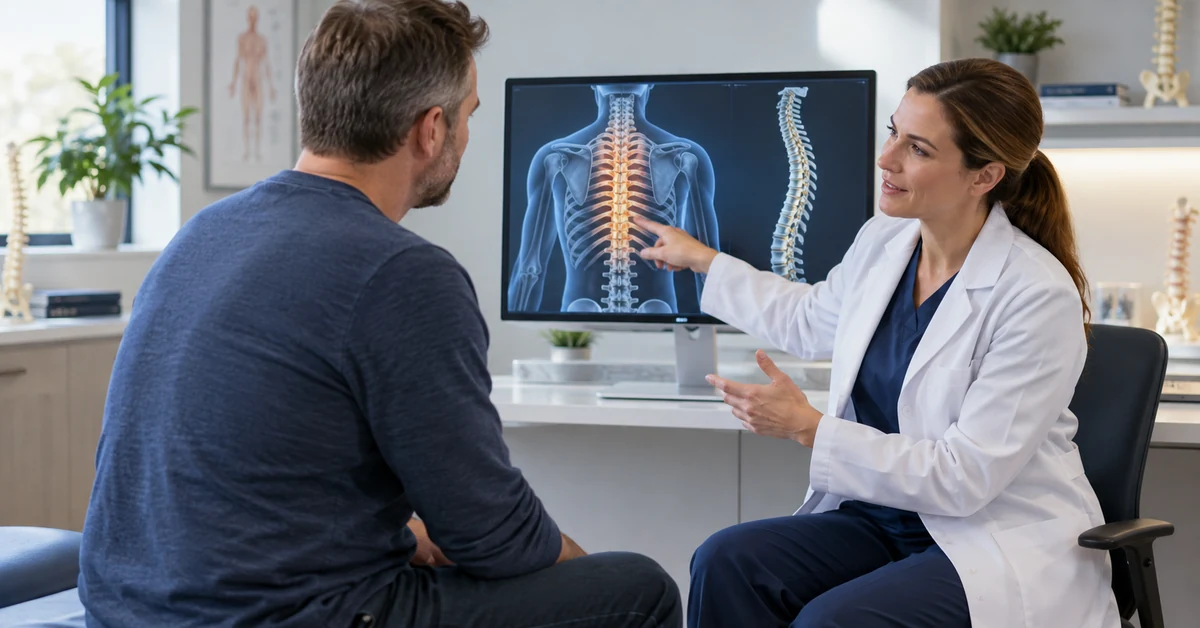
The thoracic spine is sometimes overlooked because pain and problems are more common in the neck or lower back. However, maintaining thoracic health is just as important. Proper posture, regular exercise, and early attention to symptoms can make a significant difference in long-term spine function.
Even small steps like stretching daily, avoiding prolonged slouching, and staying active can help protect this critical region of the spine.
Request an Appointment
If you are experiencing mid-back pain or symptoms that may be related to the thoracic spine, it is important to seek professional evaluation. Specialized care can make all the difference in diagnosis and treatment.
Request an Appointment today to discuss your symptoms and explore treatment options. Dr. Pasquale X. Montesano is the principal Orthopaedic Surgeon at Montesano Spine & Sport. Dr. Montesano has completed an extensive fellowship program and has years of training and experience in surgical and non-surgical treatments of spine disorders.