
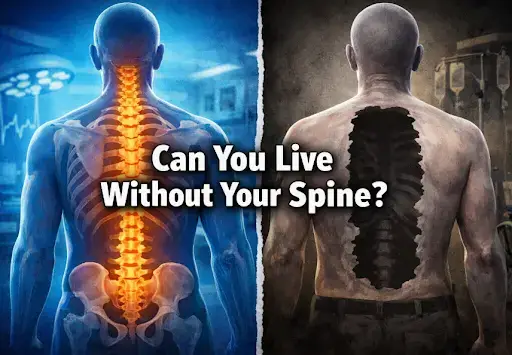
The short answer is no. You cannot live without your spine. It is one of the most important structures in your body, responsible for movement, support, and protection of the nervous system. Without it, basic functions like standing, sitting, or even breathing properly would not be possible.
But to fully understand why, it helps to look at what the spine actually does and why it is essential for survival.
What Is the Spine and Why Is It So Important?
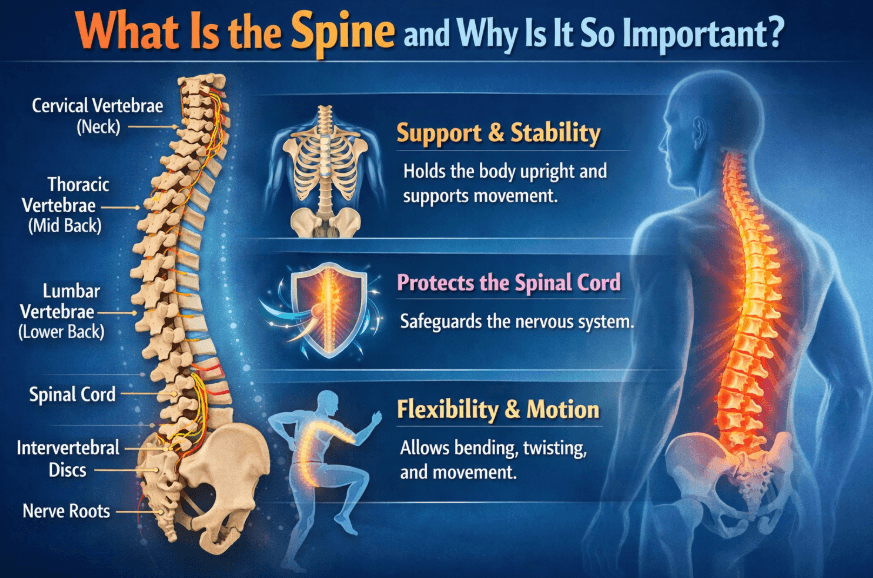
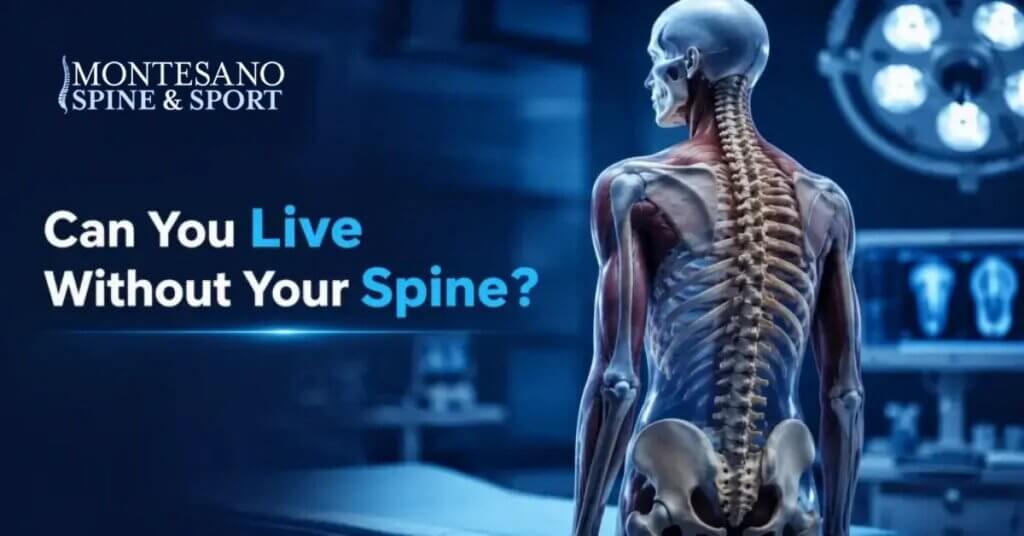
The spine, also called the vertebral column, is a column of bones stacked on top of each other. It runs from the base of your skull to your lower back. Inside it is the spinal cord, which connects your brain to the rest of your body.
The spine has three major roles:
- Support: It holds your body upright and supports your head.
- Movement: It allows bending, twisting, and flexibility.
- Protection: It protects the spinal cord, which controls body functions.
Without the spine, the body would collapse and lose its structure completely.
Can the Body Function Without a Spine?
No, the human body cannot function without a spine. Here is why:
1. Loss of Movement
The spine allows your body to move. Without it, you would not be able to walk, sit, or even hold your head up.
2. Nervous System Breakdown
The spinal cord runs through the spine and carries signals between the brain and body. If the spine is gone, those signals stop. This means no control over muscles, organs, or reflexes.
3. Organ Support Failure
The spine helps maintain the shape of your torso. Without it, internal organs would not stay in place properly.
4. Breathing and Basic Functions
The spine supports muscles that help you breathe. Without it, even basic survival functions would be affected.
What Happens If the Spine Is Severely Damaged?
While you cannot live without a spine, people can live with spinal injuries. The outcome depends on how severe the damage is.
- Minor injuries can cause pain and stiffness.
- Moderate injuries may limit movement.
- Severe injuries can lead to paralysis.
Even in severe cases, the spine still exists, but its function is reduced or disrupted.
Spine Functions and What Happens Without Them
| Spine Function | What It Does | What Happens Without It |
| Structural Support | Keeps body upright | Body collapses, no posture |
| Movement | Enables bending and rotation | No mobility at all |
| Spinal Cord Protection | Shields nerves from damage | Nervous system fails |
| Balance and Stability | Helps maintain coordination | Loss of balance |
| Organ Positioning | Supports internal organs | Organs shift and malfunction |
| Breathing Support | Assists chest and diaphragm movement | Breathing becomes difficult or impossible |
How to Keep Your Spine Healthy
Since the spine is essential, taking care of it should be a priority. Simple habits can make a big difference.
- Maintain good posture while sitting and standing
- Exercise regularly to strengthen back muscles
- Eat a balanced diet rich in calcium and vitamin D
- Avoid lifting heavy objects incorrectly
- Take breaks if you sit for long hours