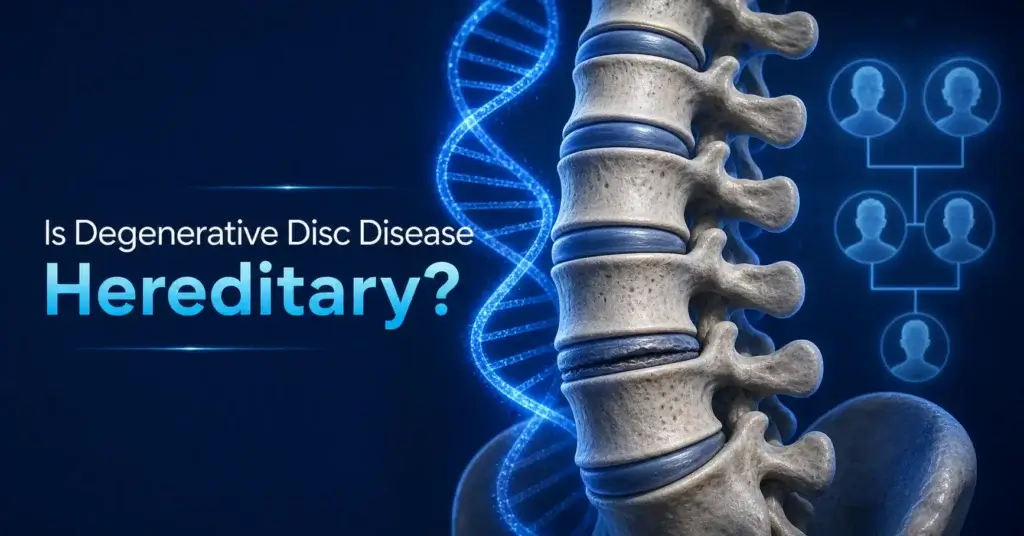
Yes, genetics can increase your risk of developing degenerative disc disease (DDD), but it is not the only cause. Research suggests that inherited genes can affect the strength, structure, and hydration of spinal discs, making some people more likely to experience disc degeneration earlier in life.
For example, if one or both of your parents developed DDD at a relatively young age, you may have a higher chance of developing similar spinal changes. However, lifestyle factors such as smoking, obesity, repetitive heavy lifting, poor posture, and natural aging also play a significant role.
While you cannot change your genetic makeup, maintaining a healthy weight, staying physically active, practicing good posture, and avoiding tobacco use can help slow disc degeneration and reduce symptoms, even if you have a family history of the condition.
Degenerative disc disease (DDD) is a common spine condition that affects millions of people each year. Many patients ask the same question when back or neck pain runs in their family: is degenerative disc disease hereditary?
The short answer is yes—genetics can play a role, but it is not the only factor.
What Is Degenerative Disc Disease?
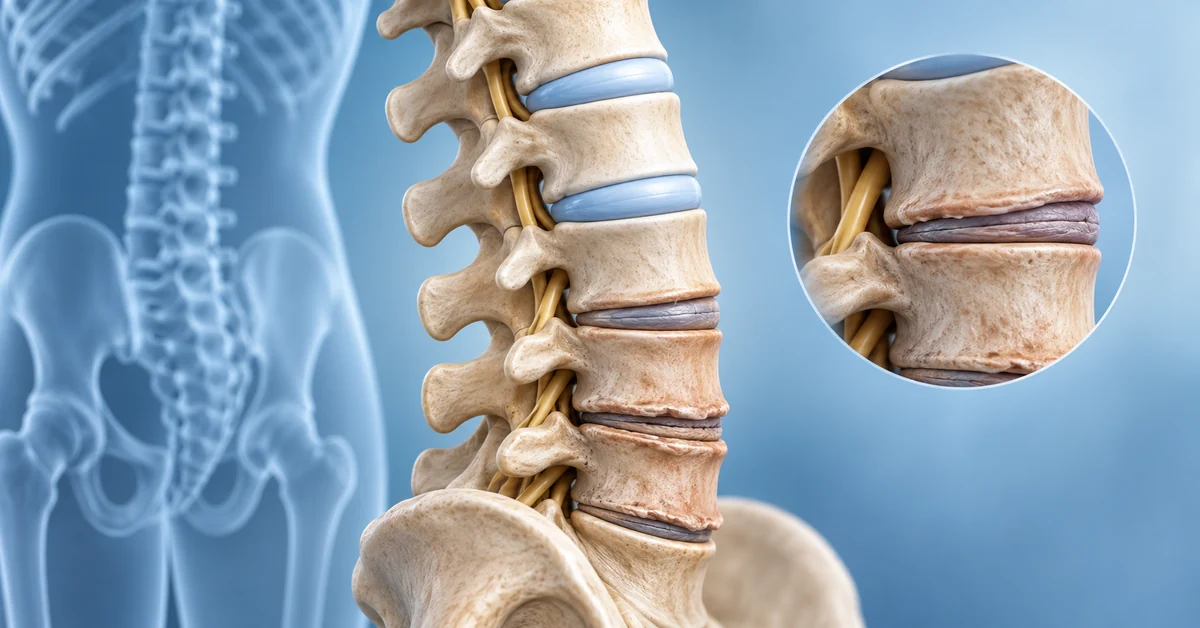
Degenerative disc disease is not actually a disease. It describes age-related changes in the spinal discs. These discs act as cushions between the vertebrae. Over time, they can lose water, become thinner, or develop small tears.
Common symptoms include:
- Chronic lower back or neck pain
- Pain that worsens with sitting or bending
- Tingling or numbness in arms or legs
- Reduced spinal flexibility
DDD can affect the cervical spine (neck) or lumbar spine (lower back).
Is Degenerative Disc Disease Hereditary?

Yes, research shows that genetics play a significant role in the development of degenerative disc disease.
Studies involving twins have shown that people with a family history of DDD are more likely to develop disc degeneration, even when lifestyle factors such as work activity and exercise are similar.
How Genetics Influence Disc Degeneration
Inherited traits can affect:
- Disc structure and strength
- Collagen composition
- How quickly discs lose hydration
- The body’s response to spinal stress
If one or both parents have DDD, the risk for their children is higher compared to the general population.
Genetics vs. Lifestyle: What Matters More?

While heredity is important, degenerative disc disease is usually caused by a combination of factors.
Non-Genetic Risk Factors Include:
- Aging
- Repetitive lifting or heavy labor
- Poor posture
- Smoking
- Obesity
- Previous spinal injuries
Even if DDD runs in your family, healthy habits can slow progression and reduce symptoms.
Research Statistics on Hereditary Degenerative Disc Disease
| Study Finding | Data |
| Genetic contribution to disc degeneration | 60–75% |
| Higher risk in identical twins | Up to 5x greater |
| Lumbar disc degeneration linked to family history | ~65% |
| Smokers with genetic risk | Faster disc breakdown |
These findings suggest that genes strongly influence disc health, but the environment still matters.
Can Degenerative Disc Disease Be Prevented?

You cannot change your genes, but you can reduce strain on your spine.
Steps That May Help:
- Maintain a healthy body weight
- Stay physically active with low-impact exercise
- Avoid smoking
- Use proper lifting techniques
- Strengthen core muscles
- Practice good posture
Early evaluation is important if you have symptoms and a family history of spine problems.
How Degenerative Disc Disease Is Diagnosed
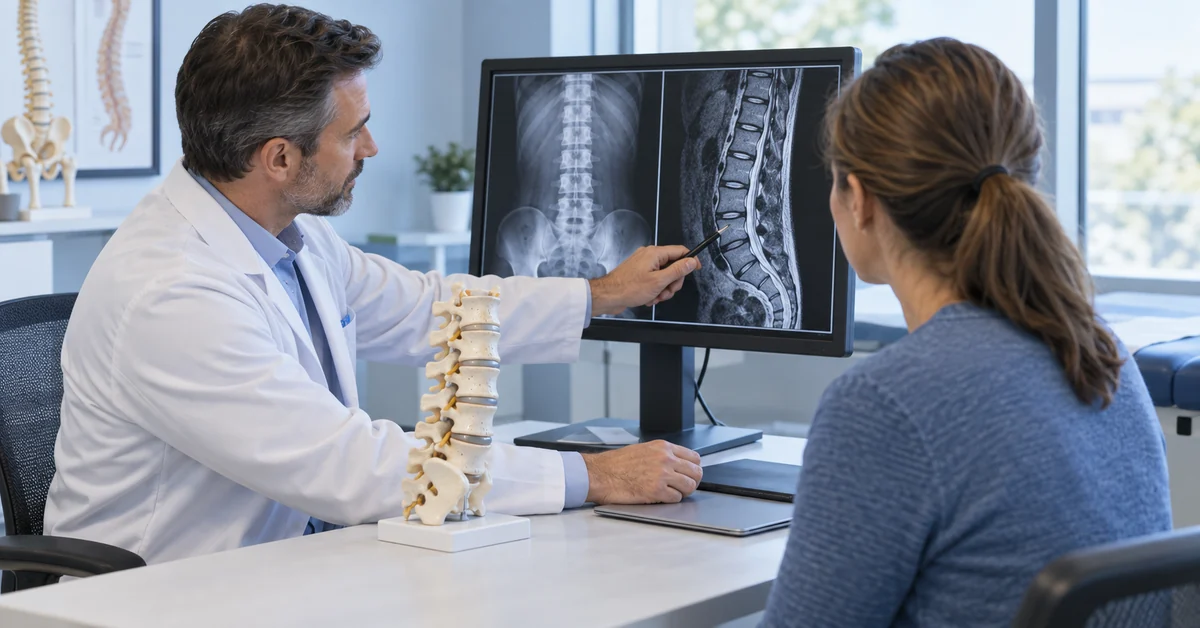
Diagnosis typically involves:
- Physical examination
- Review of family and medical history
- X-rays to check disc height
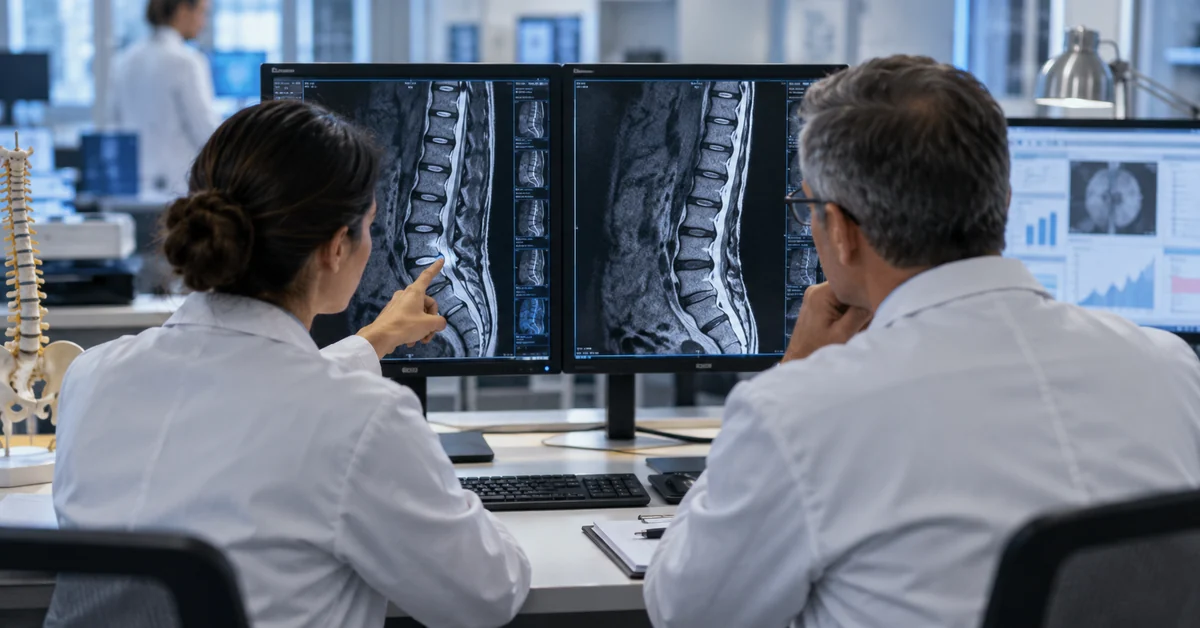
- MRI scans to assess disc damage
Early diagnosis allows for better treatment planning.
Treatment Options for Degenerative Disc Disease

Treatment depends on symptom severity and disc damage.
Non-Surgical Treatments
- Physical therapy
- Anti-inflammatory medications
- Activity modification
- Spinal injections
Surgical Options (When Needed)
For patients who do not improve with conservative care, surgery may be recommended.
Procedures may include:
- Minimally invasive spine surgery
- Spinal fusion
- Total disc replacement
Schedule a Spine Consultation

If you have a family history of degenerative disc disease or ongoing spine pain, early care matters.
Book an Appointment
Call +1 941-402-4003