


Quick Answer: After a lumbar epidural steroid injection, temporary numbness, leg heaviness, or injection-site soreness can occur for several hours, and pain may briefly increase for two or three days. Steroid benefit often begins within two to seven days, but relief varies. Fever, severe positional headache, new weakness, or bladder and bowel changes require prompt medical advice.
A lumbar epidural steroid injection places anti-inflammatory medicine near an irritated spinal nerve. It is commonly used for radicular leg pain related to a herniated disc or spinal stenosis. The injection may create a window for better movement and rehabilitation, but it does not repair a disc or guarantee lasting relief.
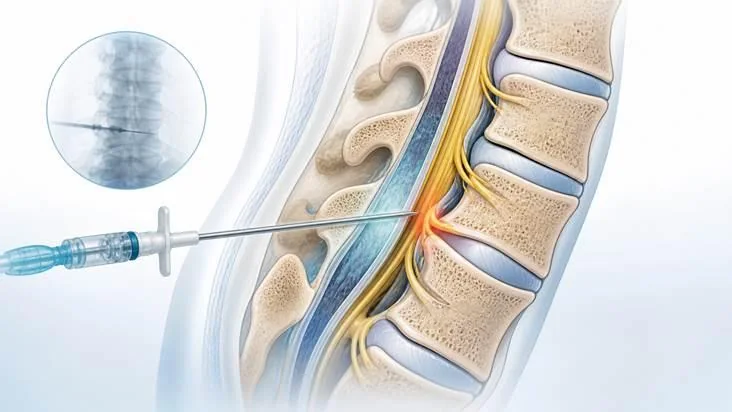
Key takeaway: The procedure aims to reduce nerve inflammation and improve function, not to cure the underlying structural condition.
Recovery Timeline at a Glance
| Time | What may happen | What to do |
|---|---|---|
| First few hours | Numbness, heaviness, or temporary relief from anesthetic | Use assistance as instructed and avoid driving |
| First 24 hours | Injection-site tenderness or fatigue | Rest from strenuous activity and follow site-care instructions |
| Days 2 to 3 | Pain may briefly return or increase | Use approved comfort measures and monitor warning signs |
| Days 2 to 7 | Steroid effect may begin | Resume graded activity as directed |
| Following weeks | Relief may be partial, substantial, brief, or absent | Track function and attend follow-up |
Key takeaway: The anesthetic acts quickly and fades, while the steroid usually takes longer and may not help every patient.
What Happens Immediately After the Injection
The care team typically checks blood pressure, leg function, and how you feel before discharge. The numbing medicine can make a leg feel heavy or weak for a short time, so walking assistance may be needed. If sedation was used, arrange a driver and follow the clinic’s restrictions for decision-making and activity.
You may notice early pain relief from local anesthetic, followed by return of the usual symptoms when it wears off. This does not mean the steroid failed. Record the timing and amount of relief because the response can help the clinician understand the pain source.

Key takeaway: Early relief usually comes from anesthetic and should be distinguished from the later steroid response.
The First Week: Soreness, Pain Flares, and Relief
Tenderness, bruising, flushing, sleep disturbance, or a short pain increase may occur. Many patients begin noticing benefit within two to seven days, although some clinicians advise that the full response may take longer. Relief can last days to months, and some people receive little or no benefit.
People with diabetes may see higher glucose readings for hours or days and should follow their diabetes clinician’s monitoring plan. Steroids can also temporarily affect mood, sleep, blood pressure, or eye pressure in susceptible individuals. Report reactions that are severe, persistent, or outside the instructions you received.

Key takeaway: A delayed and variable response is normal, while individual medical conditions can change monitoring needs.
Home Care and Activity
Follow the specific discharge sheet because instructions vary by injection type, sedation, medicines, and health history. Many centers advise a lighter day, no driving for the stated period, and avoidance of strenuous lifting or exercise until the next day. Keep the site clean and use bathing instructions from the clinic.
A wrapped cold pack can help local soreness. Resume walking and normal tasks gradually rather than using prolonged bed rest. Do not restart blood thinners or change pain medicines unless the procedural team has given a clear plan. Use new pain relief to participate in an appropriate rehabilitation program.

Key takeaway: The safest aftercare follows the proceduralist’s instructions and favors gradual movement over prolonged inactivity.
When to Call the Doctor or Seek Emergency Care
Contact the treating team promptly for fever, increasing redness, drainage, a severe headache that worsens upright and improves lying down, a rash, or pain that is severe and steadily worsening. These can indicate infection, dural puncture, medication reaction, or another complication.
Emergency assessment is appropriate for new or progressive leg weakness, loss of bladder or bowel control, saddle numbness, or rapidly worsening bilateral symptoms. Rare complications include bleeding, infection, nerve injury, and serious neurologic events. Do not wait for a routine follow-up when function is changing quickly.

Key takeaway: Fever, positional headache, drainage, new weakness, or bladder and bowel changes fall outside routine recovery.
How to Judge Whether the Injection Worked
Judge success by more than a pain score. Track leg-pain intensity, walking and sitting tolerance, sleep, medication use, and ability to perform therapy. A meaningful response may be partial if it enables normal activity or clarifies which nerve is responsible. Lack of relief may lead to diagnostic review rather than automatic repetition.
The injection is commonly considered for conditions described in SpineDocs’ pages on sciatica, spinal stenosis, and lower-back pain. The clinical target should match symptoms and imaging.
Key takeaway: Functional gains and symptom-pattern change are more informative than asking only whether pain reached zero.
What Happens If Relief Is Limited
An injection can fail because the target was not the main pain source, inflammation was not the dominant mechanism, compression remains severe, or the condition simply does not respond. The next step may be continued rehabilitation, medication review, updated diagnosis, another targeted procedure, or surgical consultation when appropriate.
SpineDocs’ diagnosis and pain-management resources explain how injections fit within a broader plan. Repeated steroid exposure has risks, so frequency and dose should be individualized.
Key takeaway: Limited relief should trigger reassessment of the diagnosis and goals, not an automatic series of injections.
Best Practices
- Keep the written discharge instructions and clinic contact number available.
- Record pain, function, glucose if relevant, and any unusual symptoms for one to two weeks.
- Use improved comfort to restart the approved exercise or therapy plan gradually.
- Attend follow-up even when the injection works, because relief may be temporary.
Key takeaway: Clear monitoring and follow-up make the injection more useful as both treatment and diagnostic information.
Common Mistakes
- Driving despite sedation or temporary leg heaviness.
- Assuming immediate anesthetic relief predicts long-term success.
- Returning to strenuous activity before the clinic permits it.
- Changing blood thinners or diabetes medicines without instructions.
- Ignoring fever, drainage, severe positional headache, or new weakness.
Key takeaway: Most avoidable problems come from disregarding individualized discharge instructions or warning signs.
Conclusion
What to expect after a lumbar epidural steroid injection includes a short observation period, possible temporary numbness or soreness, and a steroid response that usually takes days rather than hours. Use the recovery window to build function, keep realistic expectations, and contact the treating team promptly for symptoms outside the normal course.
Key takeaway: A safe recovery combines realistic timing, gradual activity, functional tracking, and rapid response to warning signs.
Resources and References
- Cleveland Clinic: Lumbar Epidural Steroid Injections
- Johns Hopkins Medicine: Epidural Corticosteroid Injections
- Kaiser Permanente: Lumbar Epidural Injection Recovery
- Brigham and Women’s Hospital: Epidural Steroid Injections
- FDA Drug Safety Communication on Epidural Corticosteroid Injections
- ADR Spine: What to Expect After Lumbar Epidural Steroid Injections
Key takeaway: These sources support the recovery timeline, variable benefit, aftercare, and rare-risk guidance summarized here.
Request an Appointment
Ready to discuss your symptoms or treatment options? Request an appointment with SpineDocs | Montesano Spine & Sport for an individualized evaluation.