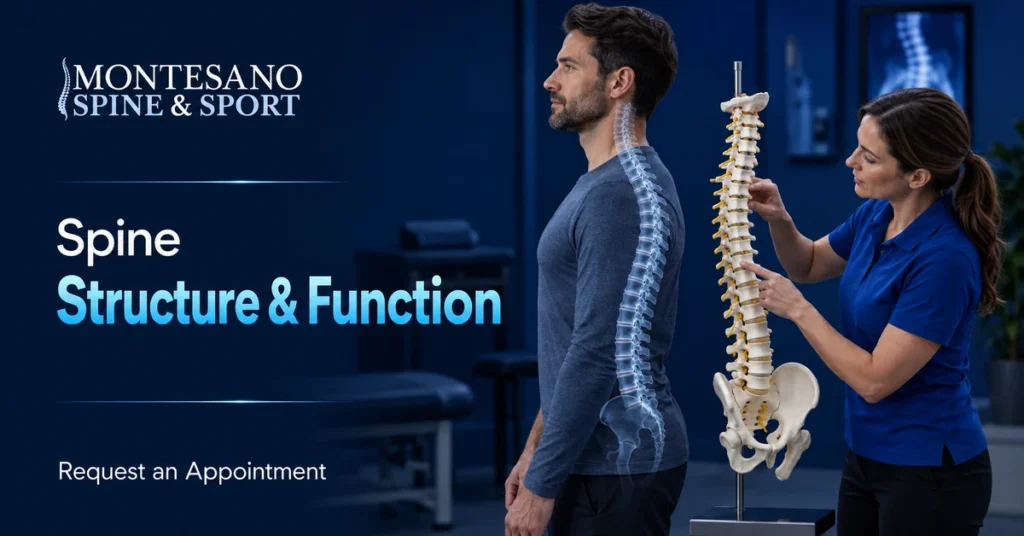
The spine is one of the most essential parts of the human body. It allows us to stand, move, and bend while protecting the spinal cord, which carries signals between the brain and the rest of the body. When most people think of the spine, they picture a straight column of bones, but in reality, the spine is a complex and flexible structure that plays a vital role in everyday life.
In this blog, we will explore what the spine is, its structure, function, anatomy, common conditions, and how you can take care of it.
What is the Spine?
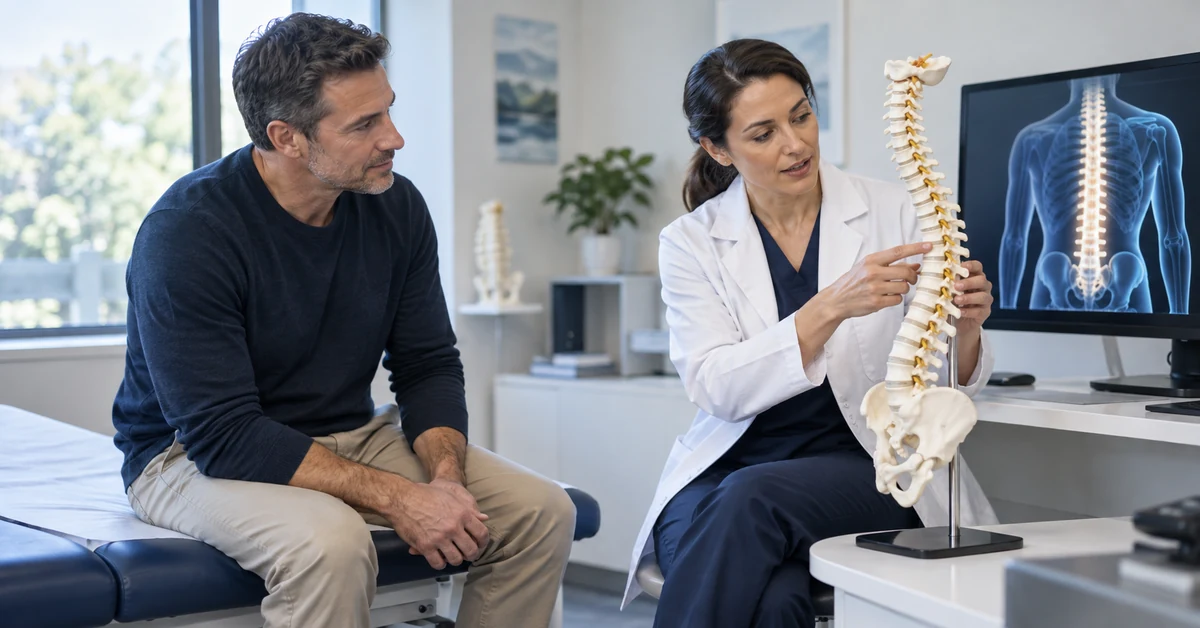
The spine, often called the backbone or vertebral column, is a strong yet flexible column made up of bones, joints, muscles, ligaments, and nerves. It begins at the base of the skull and runs down to the pelvis. The spine has a natural S-shaped curve that helps balance the body and absorb shock during movement.
Beyond providing support, the spine also serves as a protective shield for the spinal cord, one of the most delicate and important parts of the nervous system.
Function of the Spine
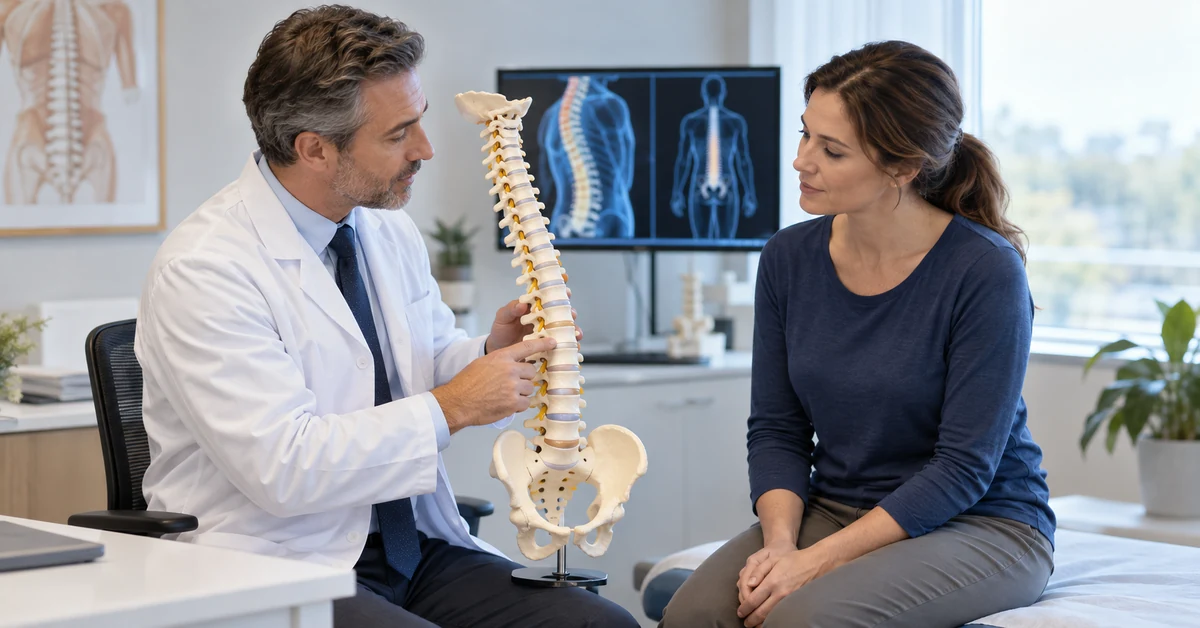
The spine serves multiple critical functions, including:
- Support: It holds the body upright, supporting the head, shoulders, and upper body.
- Movement: It allows bending, twisting, and turning without breaking.
- Protection: It safeguards the spinal cord, which sends nerve signals to and from the brain.
- Shock absorption: Natural curves in the spine act like springs, reducing the impact of walking, running, or jumping.
- Attachment point: It connects muscles, ribs, and ligaments that support movement and stability.
Anatomy of the Spine
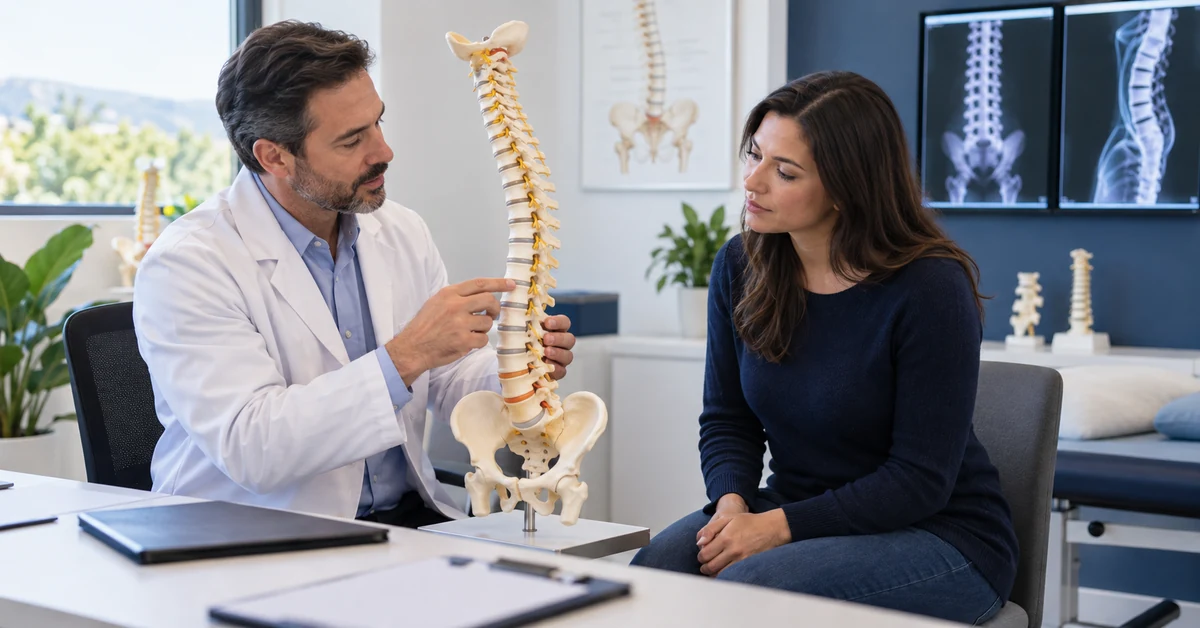
The spine is made up of 33 small bones called vertebrae. Each vertebra has a hole in the center, forming a canal where the spinal cord passes through. These vertebrae are stacked one on top of the other and separated by intervertebral discs, which act like cushions to prevent bones from rubbing together.
Other key parts of the spine include:
- Intervertebral discs: Soft, gel-like pads between vertebrae that absorb pressure.
- Spinal cord: The bundle of nerves that transmits messages between the brain and the body.
- Facet joints: Small joints between vertebrae that help with movement.
- Ligaments and muscles: Provide strength and stability to keep the spine aligned.
Parts of the Spine
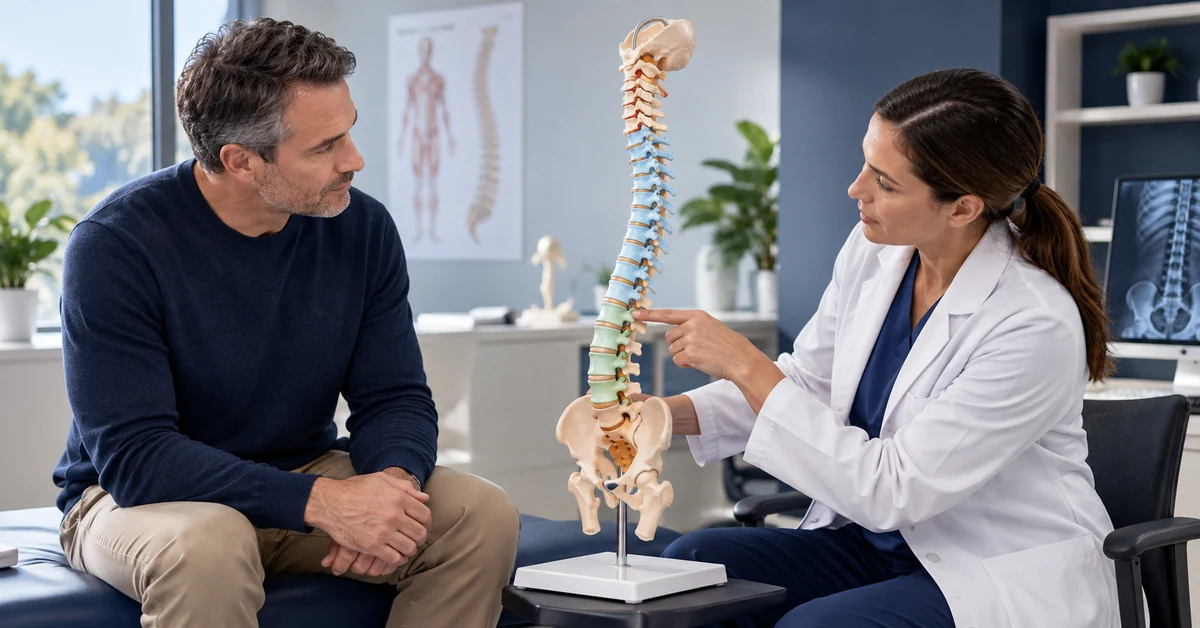
The spine is divided into different regions, each with its own function:
- Cervical Spine (Neck): The first 7 vertebrae (C1 to C7) form the cervical spine. This section supports the head and allows for wide ranges of motion, such as nodding and turning.
- Thoracic Spine (Mid-back): The next 12 vertebrae (T1 to T12) connect to the rib cage. This part of the spine is less mobile but provides stability and protection to internal organs.
- Lumbar Spine (Lower back): The 5 vertebrae (L1 to L5) in this region bear most of the body’s weight. This section is strong but prone to pain and injuries due to heavy lifting or poor posture.
- Sacrum: A triangular bone at the base of the spine, formed by five fused vertebrae. It connects the spine to the pelvis.
- Coccyx (Tailbone): The final 3 to 5 fused vertebrae make up the coccyx, which provides attachment for ligaments and muscles.
Segments of the Spine
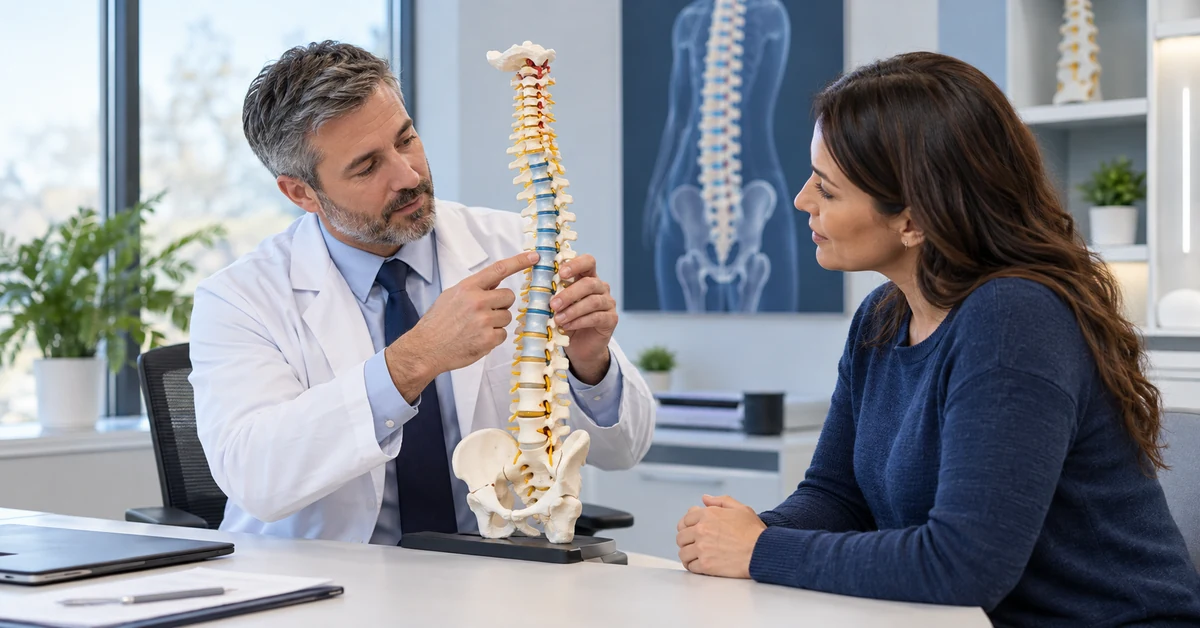
Each segment of the spine has a unique role:
- Cervical Segment: Flexible and responsible for head movement.
- Thoracic Segment: Provides rib attachment and stability.
- Lumbar Segment: Carries weight and enables mobility.
- Sacral Segment: Connects the spine to the pelvis.
- Coccygeal Segment: Supports pelvic floor muscles.
Common Spine Conditions and Disorders
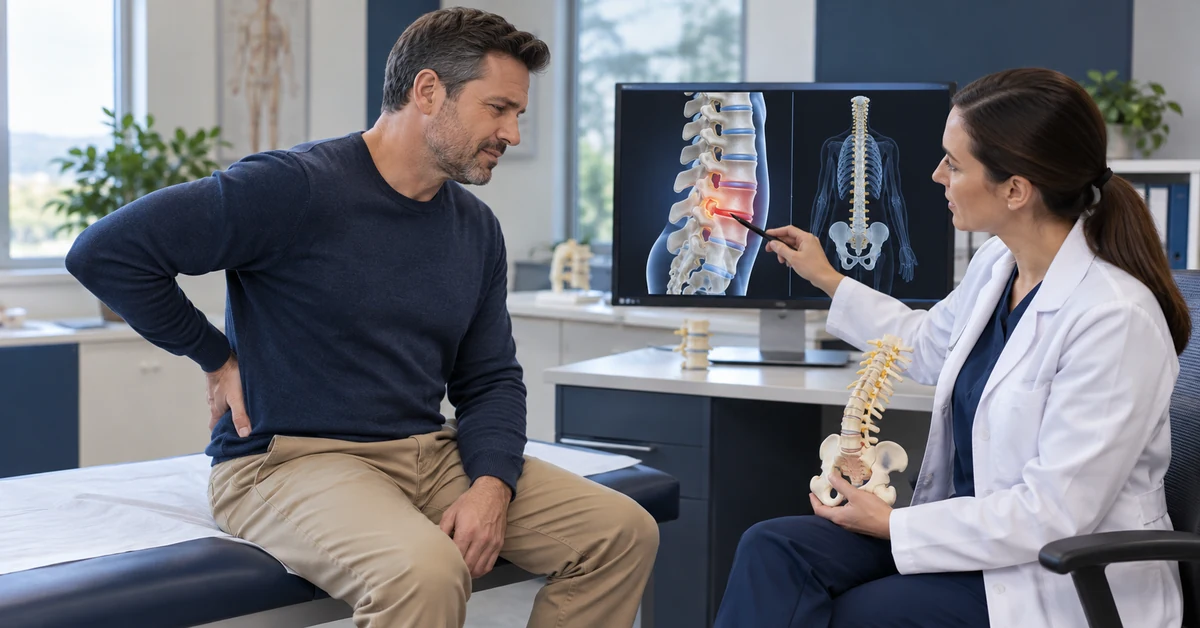
Spinal problems can range from mild discomfort to serious medical conditions. Some common spine disorders include:
- Herniated disc: When the soft inner material of a disc pushes out through a tear, causing pain and nerve irritation.
- Spinal stenosis: Narrowing of the spinal canal that puts pressure on the spinal cord and nerves.
- Degenerative disc disease: Age-related wear and tear of spinal discs that cause pain or stiffness.
- Scoliosis: Abnormal sideways curvature of the spine.
- Fractures: Breaks in vertebrae caused by accidents, falls, or osteoporosis.
- Arthritis: Inflammation of spinal joints that can cause stiffness and pain.
Symptoms of Spine Problems
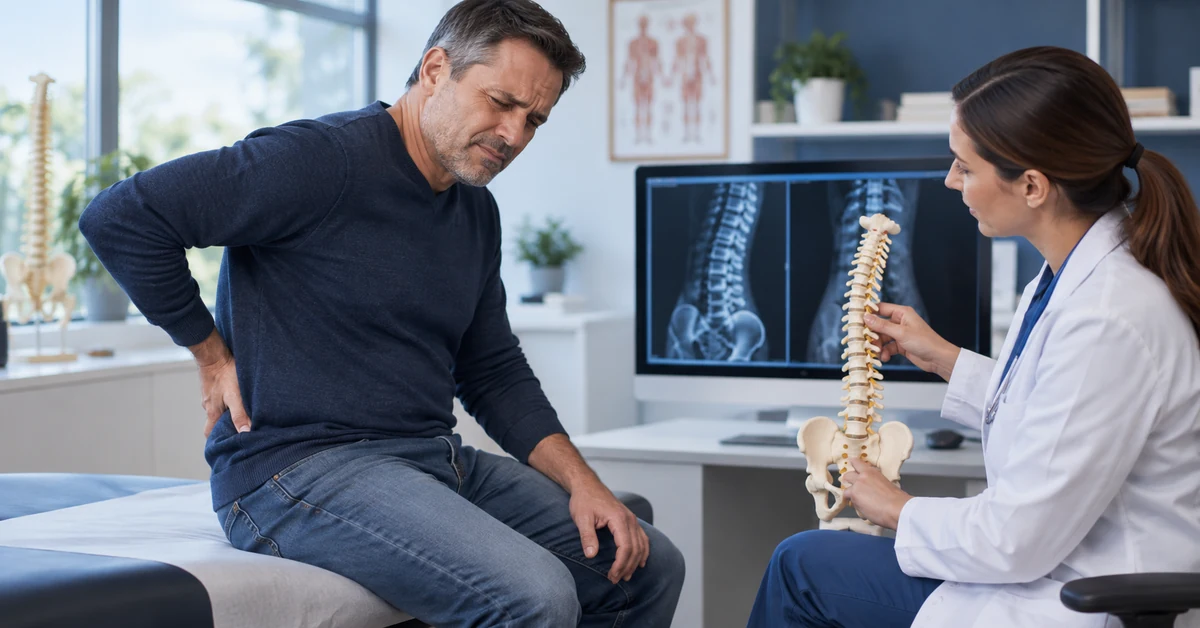
Symptoms of spinal issues vary depending on the condition but may include:
- Back or neck pain
- Stiffness or reduced flexibility
- Numbness or tingling in arms, legs, or buttocks
- Muscle weakness
- Difficulty walking or maintaining balance
- Shooting pain that travels down the leg (sciatica)
- Loss of bladder or bowel control (a severe symptom that needs urgent medical attention)
Tests to Check the Health of Your Spine
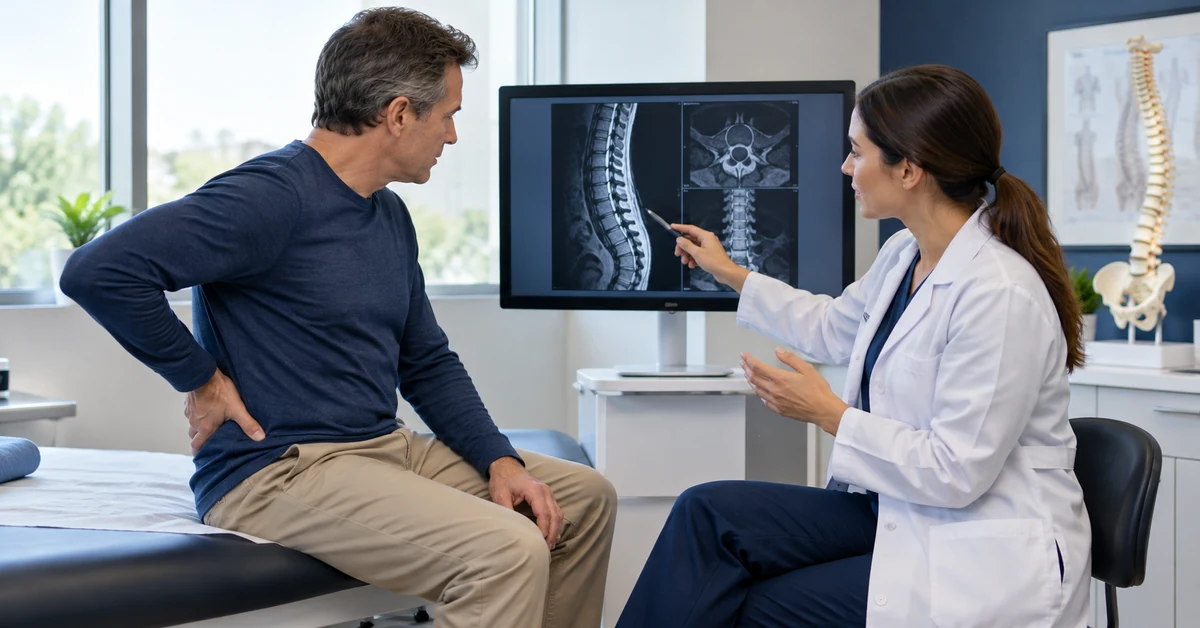
Healthcare providers use different tests to evaluate spine health, including:
- X-rays: Show bone alignment, fractures, or degenerative changes.
- MRI scans: Provide detailed images of discs, nerves, and soft tissues.
- CT scans: Give cross-sectional views of the spine.
- Bone scans: Detect infections, fractures, or tumors.
- Physical exams: Check posture, flexibility, and nerve response.
Caring for Your Spine

Keeping your spine healthy requires daily care and attention. Some tips include:
- Maintain good posture while sitting and standing.
- Exercise regularly to strengthen core muscles.
- Use proper lifting techniques by bending at the knees.
- Sleep on a supportive mattress.
- Maintain a healthy weight to reduce strain.
- Stay hydrated for disc health.
- Avoid smoking, as it can reduce blood flow to spinal tissues.
When to Seek Medical Help
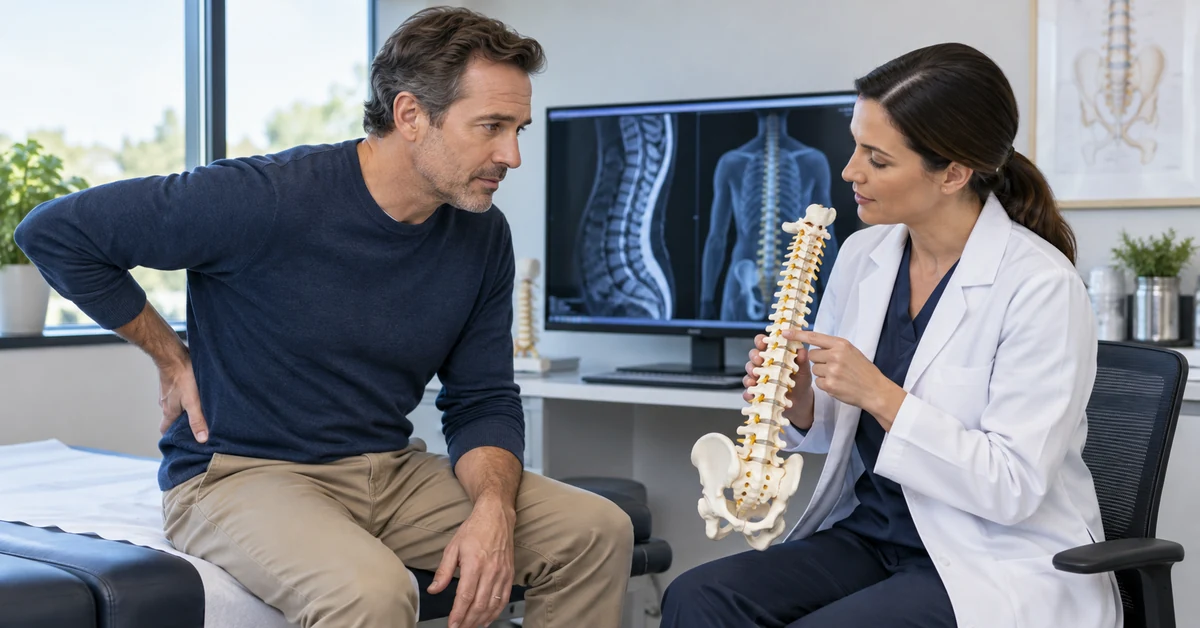
You should seek medical advice if you experience:
- Persistent or worsening back or neck pain
- Pain that radiates down your arms or legs
- Numbness, tingling, or weakness in limbs
- Sudden loss of bladder or bowel control
- Severe pain after an accident or injury
Early diagnosis and treatment can prevent spine problems from becoming worse.
Request an Appointment
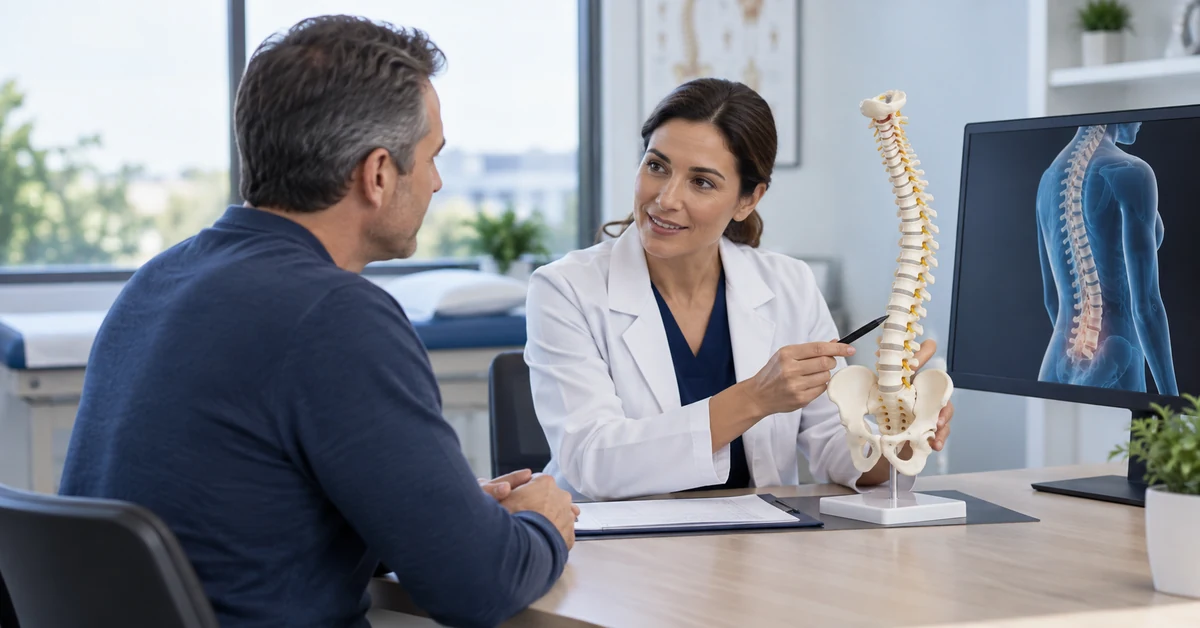
If you have concerns about your spine health, consulting a spine specialist is the best step forward. Dr. Pasquale X. Montesano, the principal Orthopaedic Surgeon at Montesano Spine & Sport, is a fellowship-trained spine surgeon with extensive experience in both surgical and non-surgical treatments. From degenerative disc disease to spinal fractures, Dr. Montesano provides advanced care including minimally invasive spine surgery, spinal fusion, and total disc replacement.
FAQs
1. What are the main parts of the spine?
The spine has five regions: cervical (neck), thoracic (mid-back), lumbar (lower back), sacrum, and coccyx. Each section supports movement, weight, and protection of the spinal cord.
2. How do I know if my spine is unhealthy?
Signs of spine problems include back or neck pain, stiffness, numbness, tingling, muscle weakness, or pain that spreads to arms or legs. Severe symptoms like loss of bladder control require urgent care.3. What can I do to keep my spine healthy?
Maintain good posture, exercise regularly, lift properly, sleep on a supportive mattress, stay at a healthy weight, and avoid smoking to protect your spine.