
Quick Answer
Yes, neck pain can cause headaches. This is called a cervicogenic headache, and it happens when irritated joints, muscles, or nerves in the neck send pain signals that the brain interprets as head pain. These headaches often start at the base of the skull and spread toward the forehead or one side of the head, and they usually improve once the underlying neck problem is treated.
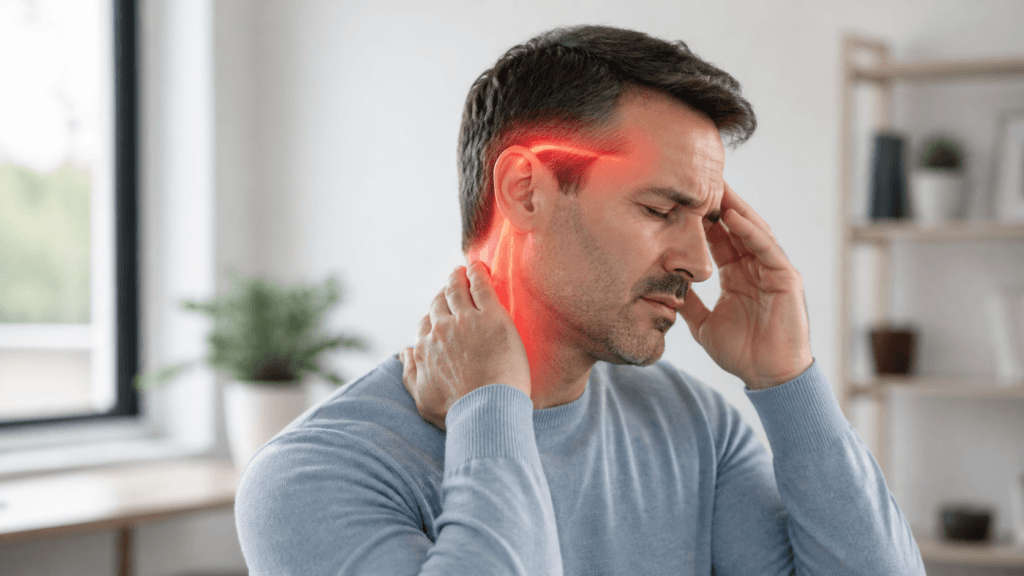
If your headaches seem to start right after your neck starts hurting, you are not imagining the connection. Neck pain and headaches share nerve pathways in the upper spine, so a problem in your cervical spine can genuinely trigger head pain. This is one of the most common questions patients ask at Montesano Spine & Sports, and understanding why it happens is the first step toward finding relief. In this article, you will learn what causes these headaches, how to recognize the symptoms, and what treatment options are available before considering surgery.
Neck Pain and Headaches
| Aspect | Details |
| Medical Term | Cervicogenic headache |
| Typical Location | Base of skull, back of head, one-sided forehead pain |
| Common Triggers | Poor posture, whiplash, arthritis, prolonged sitting |
| First-Line Treatment | Physical therapy, posture correction, manual therapy |
| When Surgery Is Considered | Only after conservative care fails and imaging confirms a structural cause |
What Is a Cervicogenic Headache?
A cervicogenic headache is head pain that actually originates in the neck rather than the head itself. The joints, discs, and muscles of the upper cervical spine share nerve connections with the trigeminal nerve, which carries sensation from the face and head. When those neck structures become irritated, the brain can misread the signal as pain in the head instead of the neck.
This differs from a typical tension headache or migraine because the root cause is mechanical. Treating the neck often resolves the headache, which is why an accurate diagnosis matters before starting treatment.
Key Takeaway: A cervicogenic headache starts in the neck but is felt in the head because the two areas share overlapping nerve pathways.
Symptoms of a Neck-Related Headache
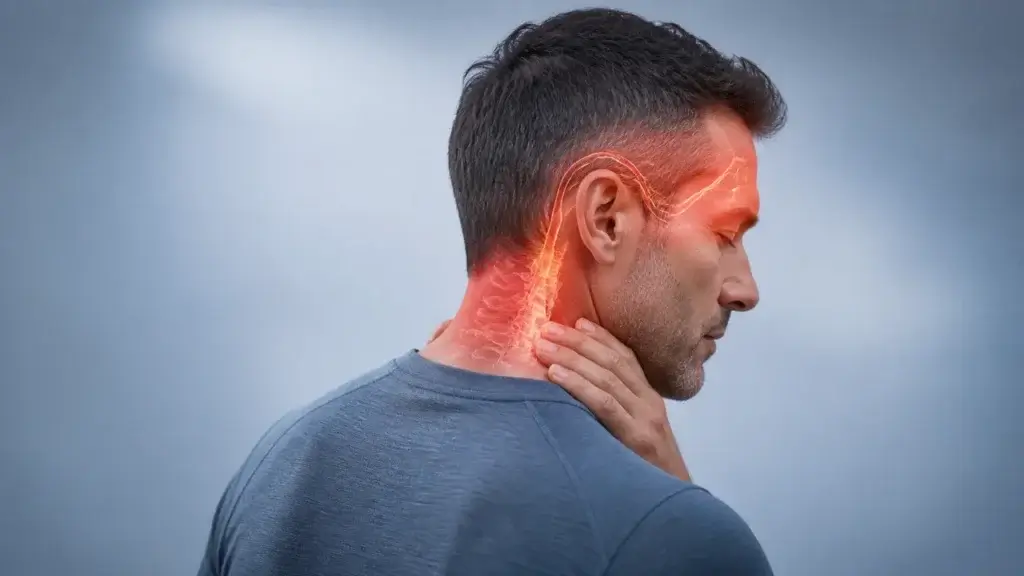
Cervicogenic headaches have a few recognizable patterns that help distinguish them from other headache types. Patients often describe a dull, steady ache rather than the throbbing pain typical of migraines.
- Pain that starts at the base of the skull or back of the neck
- Headache on one side of the head that does not switch sides
- Pain that worsens with certain neck movements or positions
- Stiffness or reduced range of motion in the neck
- Tenderness when pressing on the upper neck or shoulder muscles
- Pain radiating toward the forehead, temple, or behind the eye
Key Takeaway: A headache that changes with neck movement or starts at the base of the skull points toward a neck-related cause.
What Causes Neck Pain to Trigger Headaches?
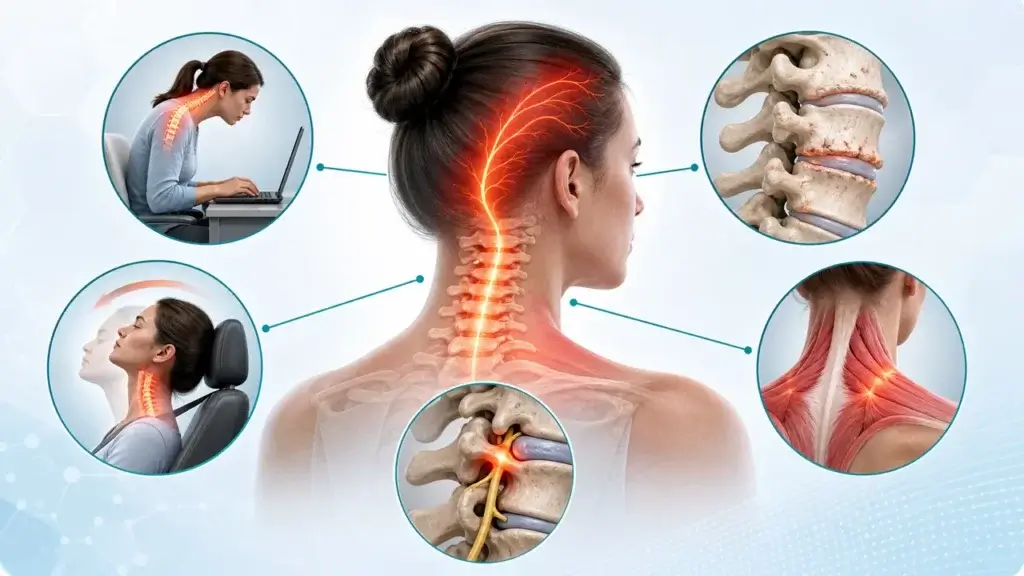
Several conditions in the cervical spine can irritate the nerves that lead to headache symptoms. Identifying the specific cause guides the right treatment plan.
- Poor posture, especially forward head posture from prolonged screen use
- Whiplash or other neck injuries from auto accidents or sports
- Cervical arthritis or degenerative disc disease
- Muscle tension from stress or repetitive strain
- Pinched nerves or facet joint irritation in the upper spine
Key Takeaway: Forward head posture and prior neck injuries are among the most frequent triggers for cervicogenic headaches.
Risk Factors to Know
Certain habits and health conditions make cervicogenic headaches more likely to develop or return. Recognizing these risk factors can help with prevention.
- Desk jobs that involve long hours looking at a screen
- A history of whiplash or neck trauma
- Sleeping in positions that strain the neck
- Existing arthritis or spinal degeneration
- High stress levels that lead to muscle tightness
Key Takeaway: People with sedentary jobs or a prior neck injury face a higher risk of developing recurring cervicogenic headaches.
How Is a Cervicogenic Headache Diagnosed?
Diagnosis starts with a detailed history and physical exam. Dr. Pasquel Montesano evaluates neck range of motion, muscle tenderness, and how specific movements affect the headache pattern. In many cases, reproducing the headache by pressing on or moving the neck helps confirm the connection.
Imaging such as X-ray, MRI, or CT scans may be used when a structural problem like a herniated disc, arthritis, or spinal narrowing is suspected. These images help rule out other causes and guide a more precise treatment plan.
Key Takeaway: A physical exam that reproduces the headache through neck movement is often the clearest sign of a cervicogenic cause.
Treatment Options for Neck-Related Headaches
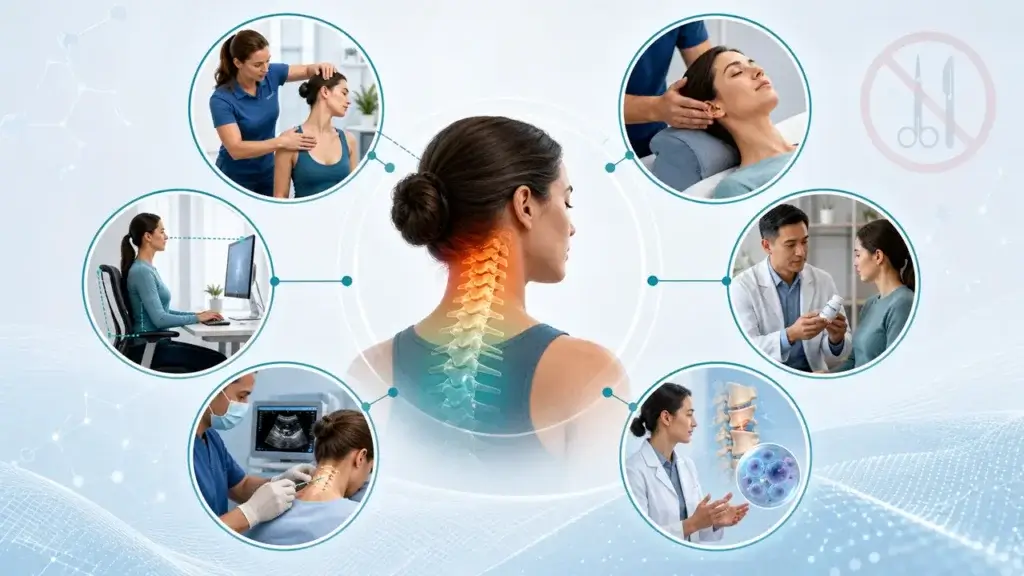
Most cervicogenic headaches improve with conservative, non-surgical care. Montesano Spine & Sports emphasizes treating the root cause in the neck rather than only managing head pain symptoms.
- Physical therapy to improve neck strength, posture, and mobility
- Manual therapy and gentle spinal mobilization
- Posture correction and ergonomic adjustments at work or home
- Anti-inflammatory medication guidance for short-term relief
- Targeted injections for persistent nerve or joint irritation
- Regenerative treatment options in select cases, discussed individually with your physician
Surgery is rarely necessary for cervicogenic headaches. It is only considered when a clear structural problem, such as significant nerve compression, does not respond to conservative treatment over time.
Key Takeaway: Conservative care, especially physical therapy and posture correction, resolves most cervicogenic headaches without surgery.
What to Expect During Recovery
Recovery timelines vary based on the underlying cause and how long symptoms have been present. Many patients notice improvement within a few weeks of starting physical therapy and posture correction, while longstanding cases involving arthritis or old injuries may take longer to manage. Consistency with home exercises and ergonomic changes plays a major role in how quickly symptoms ease.
Key Takeaway: Patients who stay consistent with prescribed exercises and posture changes typically see the fastest improvement.
Preventing Neck Pain and Headaches
Simple daily habits can lower the chances of developing a cervicogenic headache in the first place.
- Keep your screen at eye level to avoid forward head posture
- Take movement breaks every 30 to 45 minutes if you sit for long periods
- Use a supportive pillow that keeps your neck aligned while sleeping
- Strengthen neck and upper back muscles with regular exercise
- Manage stress, since muscle tension often accumulates in the neck and shoulders
Key Takeaway: Correcting posture and taking regular movement breaks are two of the simplest ways to prevent neck-related headaches.
When to See a Doctor for Neck Pain and Headaches
Occasional neck stiffness with a mild headache is common and often resolves on its own. However, you should schedule an evaluation if headaches become frequent, if pain radiates down your arm, if you notice numbness or weakness, or if over-the-counter pain relief is no longer effective. A physician can determine whether your neck is the true source of the headache and recommend the right next step.
Key Takeaway: Frequent, worsening, or one-sided headaches paired with neck pain are worth a professional evaluation rather than ongoing guesswork.
Conclusion
Neck pain and headaches are more connected than many people realize. When head pain starts at the base of the skull or worsens with neck movement, the cervical spine is often the true source. The good news is that most cervicogenic headaches respond well to conservative treatments like physical therapy, posture correction, and manual therapy, without ever needing surgery. Understanding this connection is the first step toward finding lasting relief instead of just treating the headache symptoms.
Request an Appointment
If neck pain and headaches are affecting your daily life, Dr. Pasquel Montesano can help you find the underlying cause and the right treatment path. Request an appointment at our Sarasota office to get started.