

When wisdom teeth begin to grow or become impacted, they can create more problems than just oral discomfort. Many people are surprised to learn that wisdom teeth may also be linked to pain that extends beyond the jaw, including the neck. Understanding how this happens can help you recognize symptoms and seek timely treatment.
What are Wisdom Teeth?
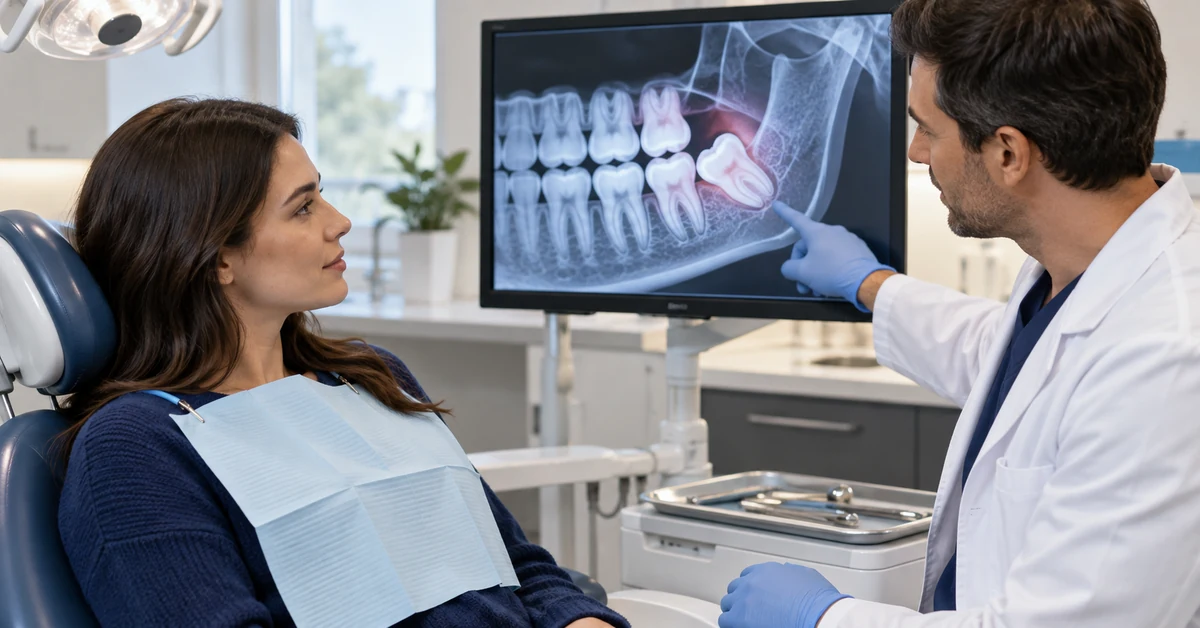
Wisdom teeth are the last set of molars that usually erupt between the ages of 17 and 25. Not everyone develops all four wisdom teeth, but for those who do, these molars can often grow in at odd angles, get trapped under the gums, or only partially emerge. This condition is known as impaction.
How Can Wisdom Teeth Cause Neck Pain?
Pressure and Inflammation
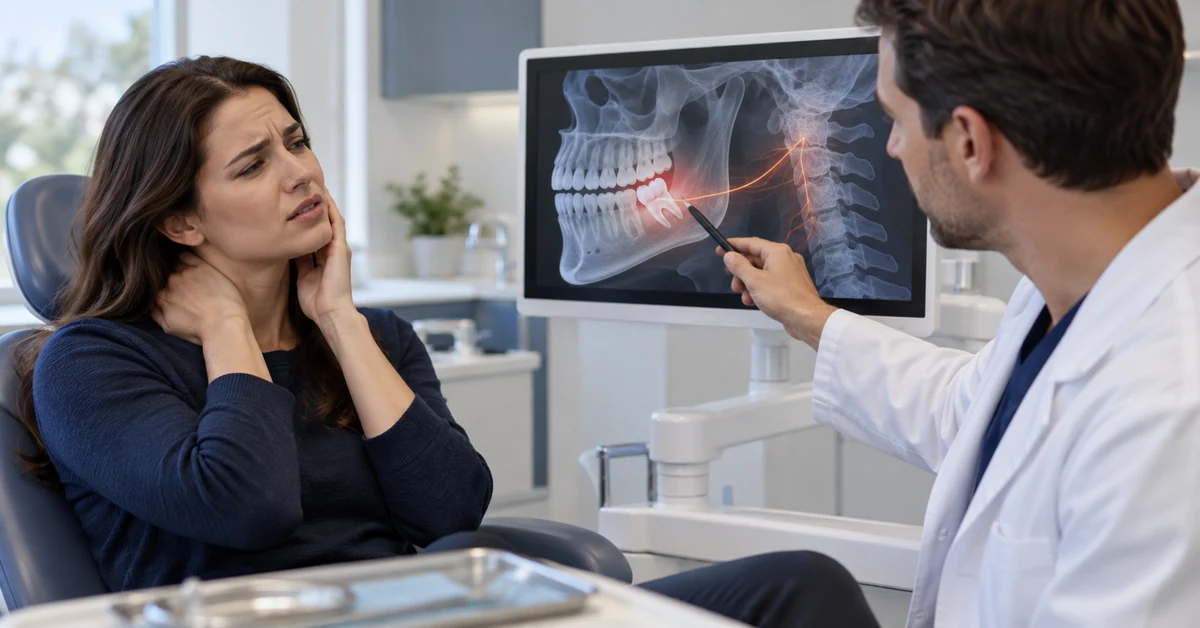
When wisdom teeth push against surrounding teeth, they can create pressure in the jaw. This pressure often leads to inflammation and swelling in the gums and jawbone. Because the jaw and neck muscles are connected, the discomfort may spread to the neck.
Nerve Irritation
Impacted wisdom teeth can irritate nearby nerves. In some cases, this irritation may radiate into the face, head, or neck, resulting in persistent or sharp pain that seems unrelated to the mouth at first.
Infection and Abscess Formation
If wisdom teeth do not fully erupt, food particles and bacteria may become trapped under the gum tissue. This can lead to infection, gum disease, or even an abscess. Infections often cause swelling that spreads to nearby tissues, including the neck and lymph nodes, causing tenderness and stiffness.
Other Symptoms Linked to Wisdom Teeth

Neck pain is just one of many signs that your wisdom teeth might be causing trouble. Other symptoms may include:
- Jaw stiffness
- Gum swelling and redness
- Bad breath or unpleasant taste
- Headaches or earaches
- Difficulty opening the mouth fully
Treatment Options

Wisdom Tooth Extraction
The most common solution for wisdom teeth causing pain is extraction. Depending on the position of the teeth, this may be a simple removal or a surgical procedure. Removing impacted wisdom teeth often relieves not only jaw pain but also discomfort in the neck and surrounding areas.
Pain Management
Until treatment is performed, your dentist may recommend pain relievers, warm saltwater rinses, or cold compresses to manage swelling and discomfort.
Preventive Dental Care
Routine dental checkups and imaging help identify potential problems with wisdom teeth before they cause severe symptoms. Early detection can prevent complications like infection and radiating pain.
Final Thoughts

Wisdom teeth can indeed cause neck pain, especially when they are impacted, infected, or putting pressure on nearby nerves. Because dental pain often spreads to surrounding areas, it is important not to ignore discomfort in your jaw or neck. Visiting a dental professional is the best way to determine the root cause and find relief.
FAQs

1. Can wisdom teeth really cause neck pain?
Yes. Impacted or infected wisdom teeth can create pressure and inflammation that radiates to nearby muscles and nerves. This discomfort often spreads from the jaw to the neck, leading to stiffness or soreness.
2. How do I know if my neck pain is from wisdom teeth or something else?
If your neck pain occurs along with gum swelling, jaw stiffness, bad breath, or difficulty chewing, wisdom teeth may be the cause. A dental checkup with X-rays is the best way to confirm the source of the pain.
3. Will removing wisdom teeth stop neck pain?
In most cases, yes. Once the wisdom teeth are removed, pressure, inflammation, and infection clear up. As a result, neck pain and other related symptoms usually improve within days or weeks after extraction.