
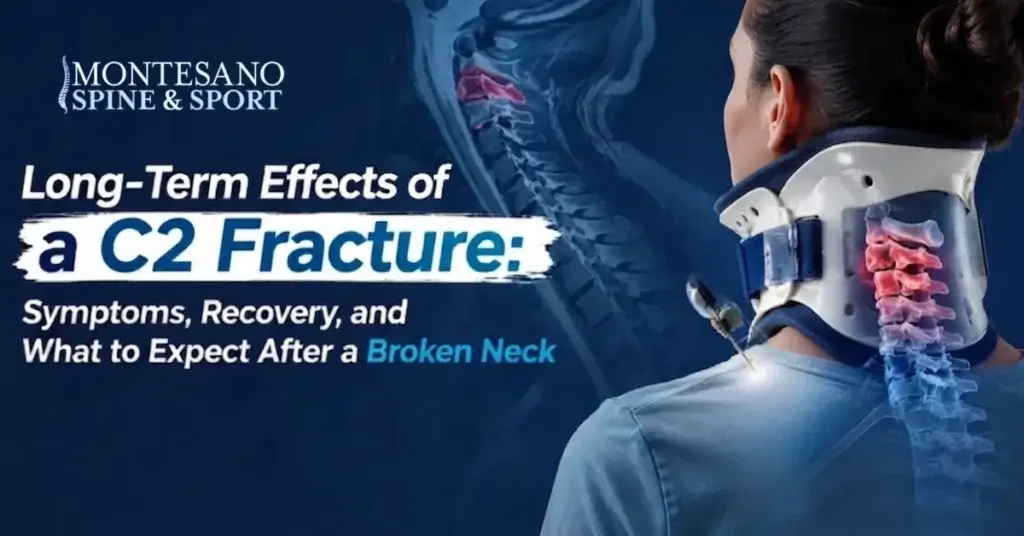
What Is a C2 Fracture?
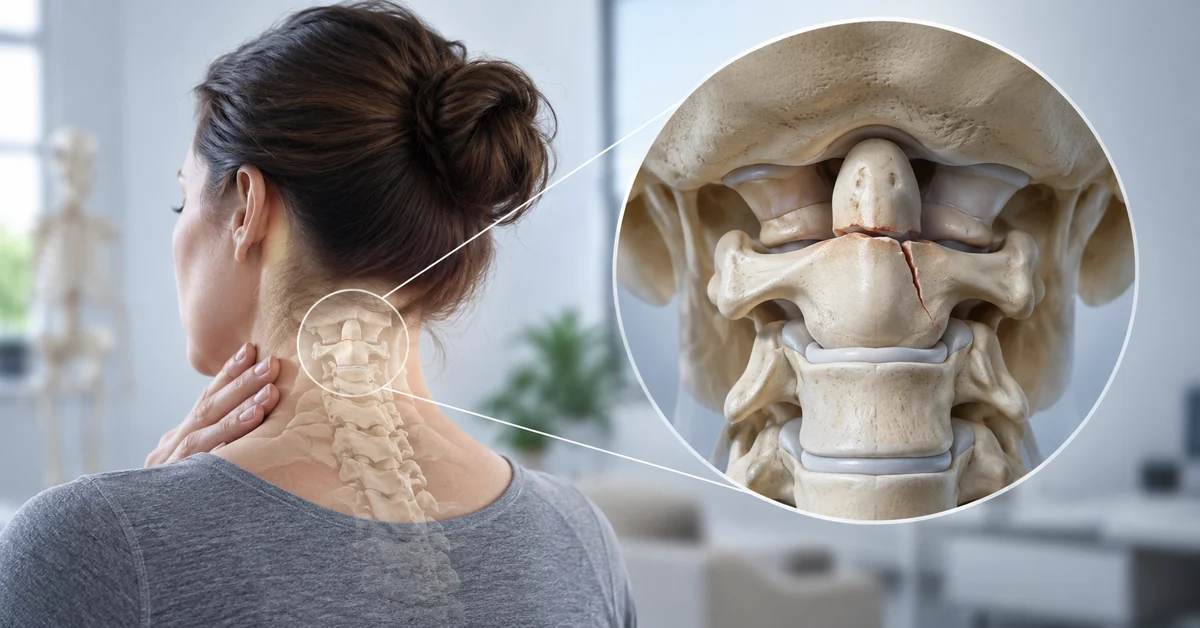
A C2 fracture is a break in the second cervical vertebra located near the top of the spine. The C2 vertebrae, also called the axis, help the head rotate and support normal neck movement. Because this bone sits close to the spinal cord and brainstem, injuries in this area are considered highly serious and require immediate medical attention.
Many people refer to this injury as a broken neck because the fracture occurs in the upper cervical spine. In severe cases, a C2 neck fracture may also occur alongside a broken back or additional spinal injuries after a major accident. While some fractures remain stable and heal well, unstable injuries can affect breathing, movement, and nerve function.
Key Takeaway: A C2 fracture affects one of the most important vertebrae in the neck and can lead to serious long-term complications if untreated.
Understanding the Role of the C2 Vertebrae
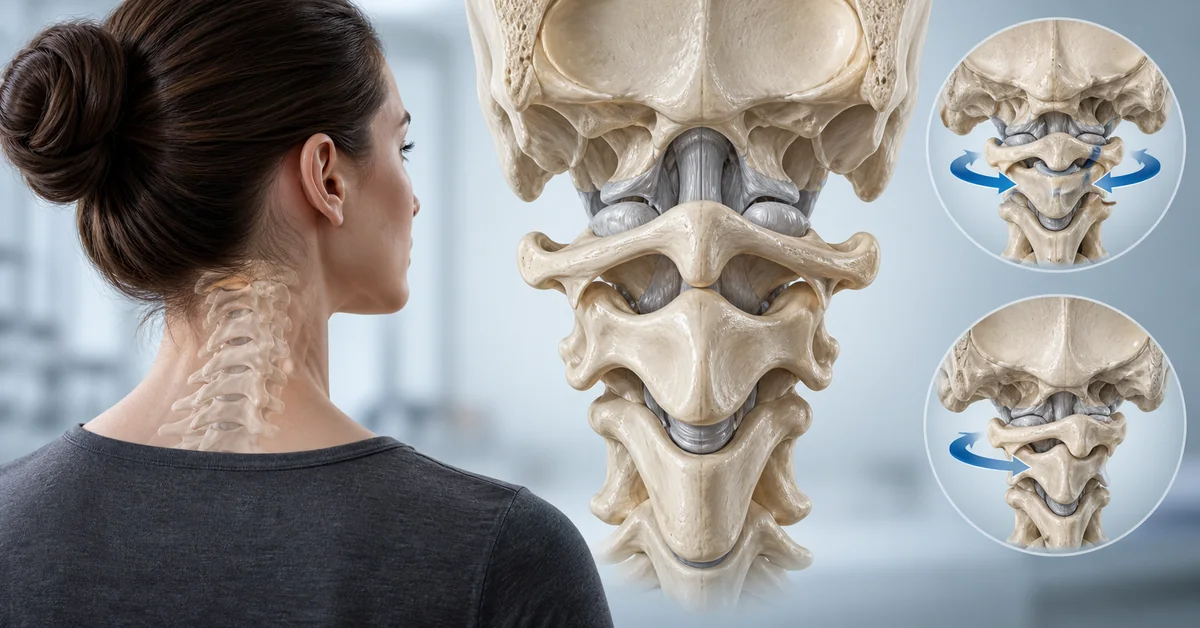
The cervical spine contains seven vertebrae, and the C2 vertebrae play a major role in supporting head movement. The C2 bone contains a structure called the dens, which allows the neck to rotate side to side. This area also protects the upper spinal cord that carries signals between the brain and body.
Because of its location, even a small fracture can create instability in the neck. If the vertebra shifts out of alignment, pressure on the spinal cord may occur. This is why doctors treat broken neck injuries with urgent imaging and stabilization.
| Structure | Function |
| C2 Vertebra | Supports head rotation and neck stability |
| Dens Process | Allows side-to-side head movement |
| Cervical Spine | Protects spinal cord and nerves |
| Spinal Cord | Sends signals between brain and body |
Key Takeaway: The C2 vertebrae are critical for neck movement and spinal cord protection, making fractures especially dangerous.
Common Causes of a C2 Neck Fracture

A C2 neck fracture usually happens after sudden trauma or forceful impact to the head and neck. These injuries are often associated with high-speed accidents and falls that force the neck backward or forward beyond its normal range of motion.
Common causes include:
- Car accidents
- Motorcycle crashes
- Diving injuries
- Falls from heights
- Contact sports injuries
- Workplace accidents
- Violent physical trauma
Older adults may also suffer cervical fractures after lower-impact falls due to weakened bones or osteoporosis. In some cases, a broken back and broken neck happen together during major trauma events.
Key Takeaway: Most C2 fractures result from high-impact trauma that places sudden stress on the upper cervical spine.
Symptoms of a Broken Neck or C2 Fracture
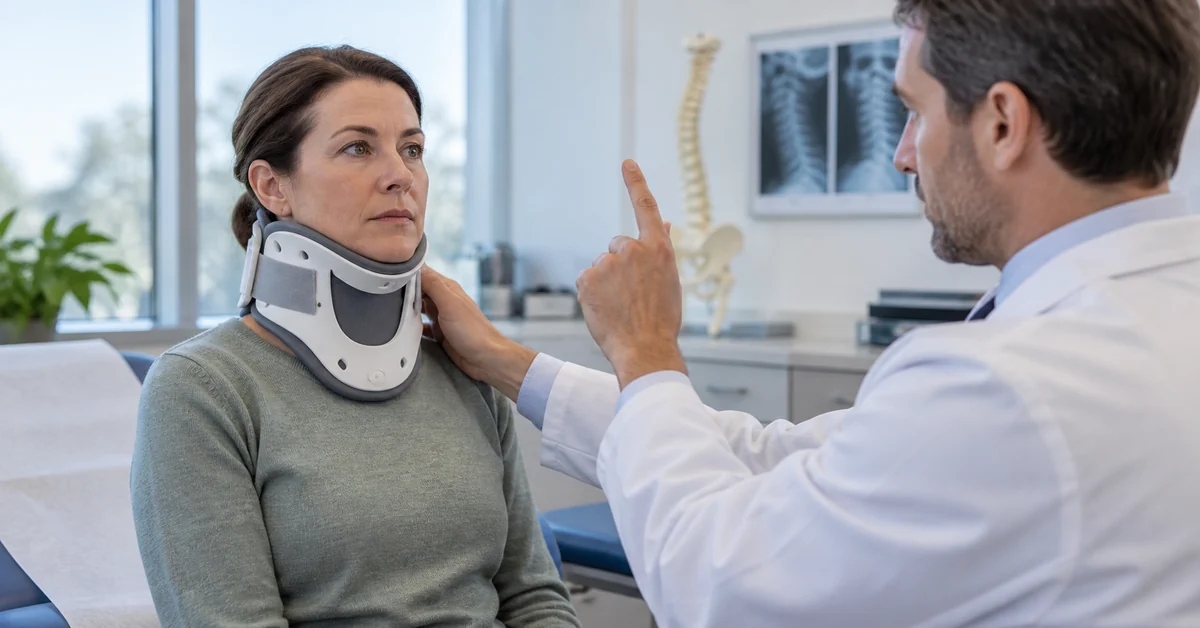
Symptoms vary depending on the severity of the fracture and whether the spinal cord has been affected. Some people experience only neck pain at first, while others develop neurological symptoms immediately after the injury.
Common Symptoms
- Severe neck pain
- Stiffness and reduced mobility
- Pain at the base of the skull
- Headaches
- Muscle weakness
- Tingling in the arms or legs
- Dizziness
- Difficulty swallowing
Severe Symptoms
- Loss of sensation
- Paralysis
- Difficulty breathing
- Loss of bladder control
- Trouble speaking
- Loss of coordination
Even mild symptoms after trauma should never be ignored because delayed treatment can increase the risk of permanent complications.
Key Takeaway: Neck pain after trauma should always be evaluated because symptoms of a C2 fracture may worsen over time.
How Doctors Diagnose a C2 Fracture
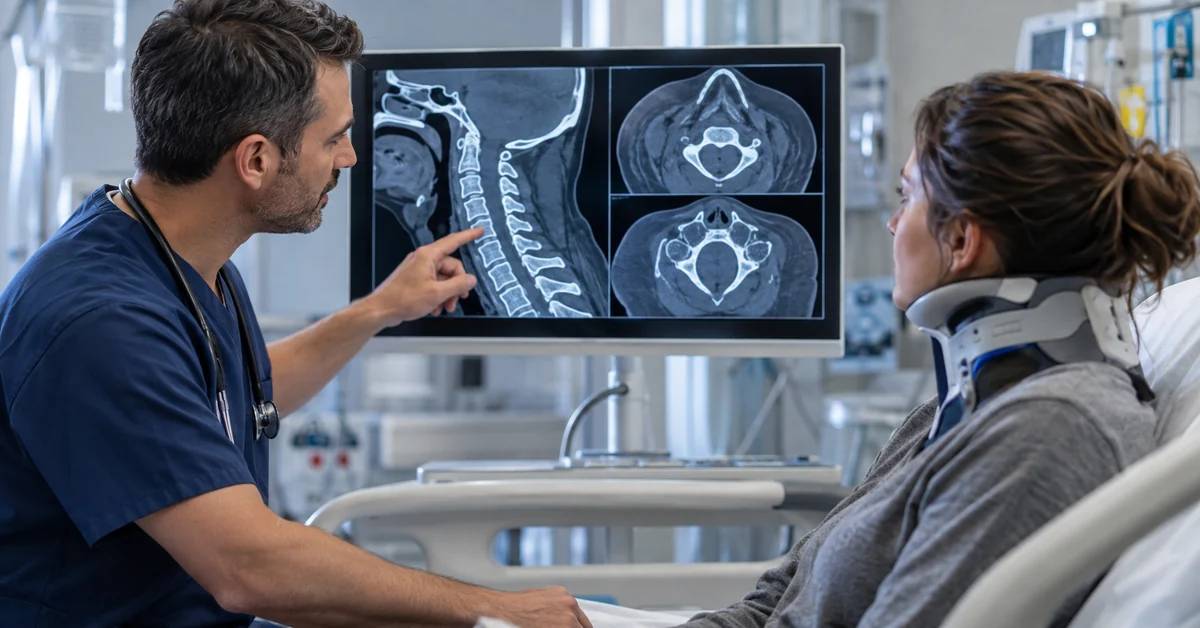
Doctors usually diagnose a C2 neck fracture through imaging studies and physical examination. Because these injuries can become unstable quickly, patients are often immobilized before imaging begins.
Common Diagnostic Tests
| Imaging Test | Purpose |
| CT Scan | Detects fractures and bone alignment |
| MRI | Evaluates spinal cord and soft tissue damage |
| X-Ray | Identifies obvious cervical fractures |
| Neurological Exam | Assesses nerve and spinal cord function |
CT scans are often considered the most effective way to identify cervical fractures. MRI scans help determine whether nerves, discs, or ligaments were damaged during the injury.
Key Takeaway: Early imaging is essential because untreated cervical fractures can lead to spinal cord compression and paralysis.
Treatment Options for a C2 Neck Fracture
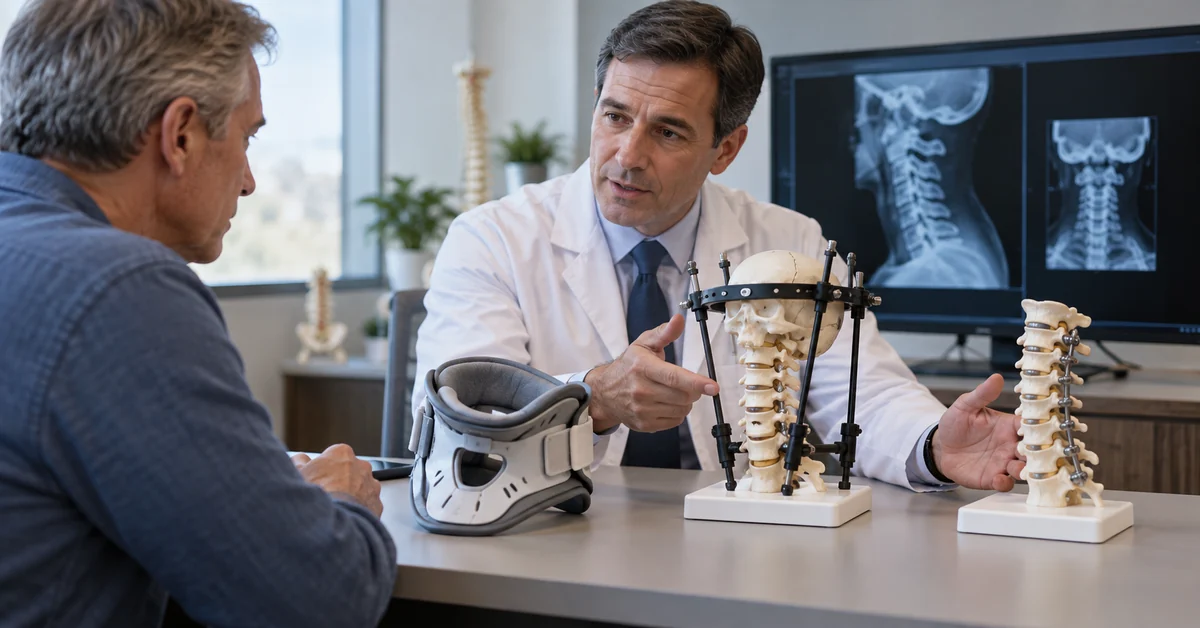
Treatment depends on fracture stability, spinal cord involvement, and the patient’s overall health. Some fractures heal without surgery, while others require spinal stabilization procedures.
Non-Surgical Treatment
Many stable fractures can heal with conservative care, including:
- Cervical collar
- Halo vest immobilization
- Pain management
- Activity restrictions
- Physical therapy
Immobilization usually lasts several weeks while the vertebra heals and stabilizes.
Surgical Treatment
Surgery may be needed if:
- The fracture is unstable
- Vertebrae are displaced
- Spinal cord compression exists
- Conservative treatment fails
Spinal fusion and hardware placement are commonly used to stabilize the cervical spine and prevent further damage.
Key Takeaway: Stable C2 fractures often heal with immobilization, but unstable injuries may require surgery to protect the spinal cord.
Long-Term Effects of a C2 Fracture
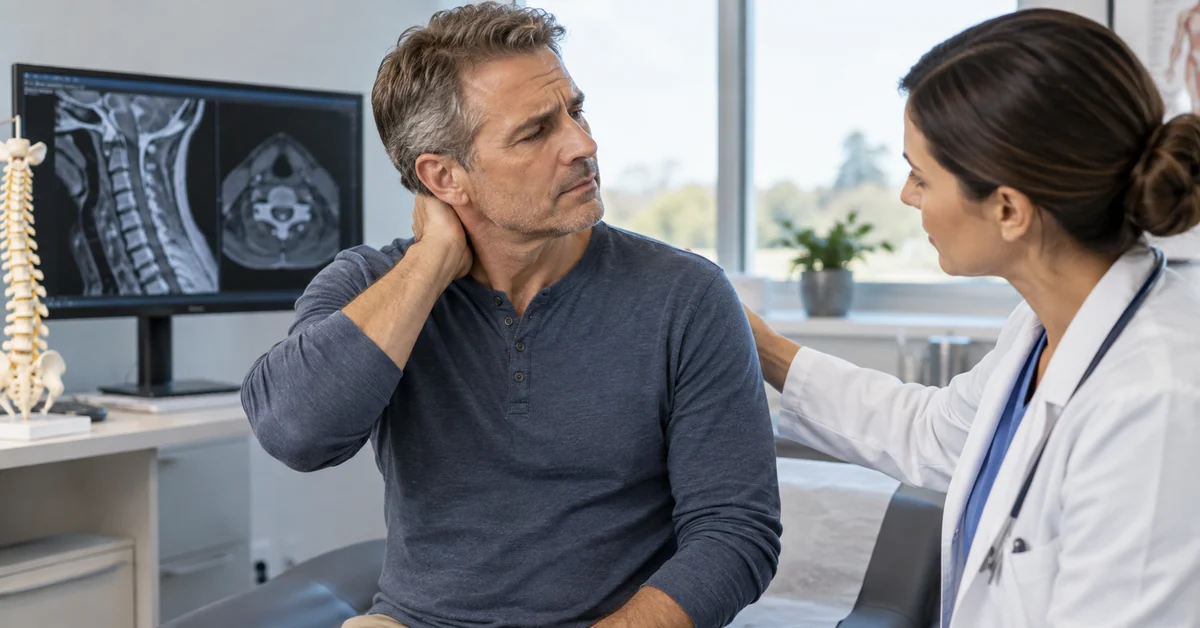
The long-term effects of a C2 fracture vary widely based on injury severity, treatment timing, and nerve involvement. Some patients recover fully, while others continue to experience pain and neurological symptoms for years.
Chronic Neck Pain
Persistent neck pain is one of the most common complications after a broken neck injury. Damage to muscles, joints, discs, and nerves can create ongoing discomfort even after the fracture heals.
Reduced Range of Motion
Patients may lose flexibility and neck rotation due to scar tissue, arthritis, or surgical fusion. Turning the head while driving or performing daily activities may become difficult.
Nerve Damage
Spinal cord or nerve injuries can lead to numbness, weakness, tingling, or balance problems. Severe cases may involve permanent neurological impairment.
Chronic Headaches
Headaches often develop from muscle tension and cervical instability after a C2 fracture. Some patients experience recurring pain near the base of the skull.
Arthritis and Degeneration
Cervical fractures can accelerate degenerative changes in the spine over time. Arthritis and disc degeneration may appear years after the initial injury.
Emotional and Mental Health Effects
Long recoveries and physical limitations may affect emotional health. Anxiety, depression, and fear of reinjury are common among patients recovering from serious spinal trauma.
| Long-Term Effect | Possible Impact |
| Chronic Pain | Ongoing discomfort and stiffness |
| Reduced Mobility | Difficulty turning or bending the neck |
| Neurological Issues | Weakness, numbness, balance problems |
| Arthritis | Joint degeneration over time |
| Headaches | Recurring pain and tension |
| Emotional Stress | Anxiety and reduced quality of life |
Key Takeaway: Even after healing, a C2 fracture can cause lasting physical and neurological complications that affect daily life.
Recovery After a Broken Neck

Recovery from a broken neck depends on the severity of the fracture and whether the spinal cord was injured. Many patients spend months in rehabilitation to rebuild strength, improve movement, and regain independence.
Recovery often includes:
- Physical therapy
- Occupational therapy
- Pain management
- Strength training
- Follow-up imaging
- Lifestyle adjustments
Patients with severe spinal injuries may require long-term medical support or assistive devices. Early rehabilitation usually improves recovery outcomes and mobility.
Key Takeaway: Recovery after a broken neck can take months and often requires structured rehabilitation and ongoing medical care.
Can a C2 Fracture Cause Paralysis?
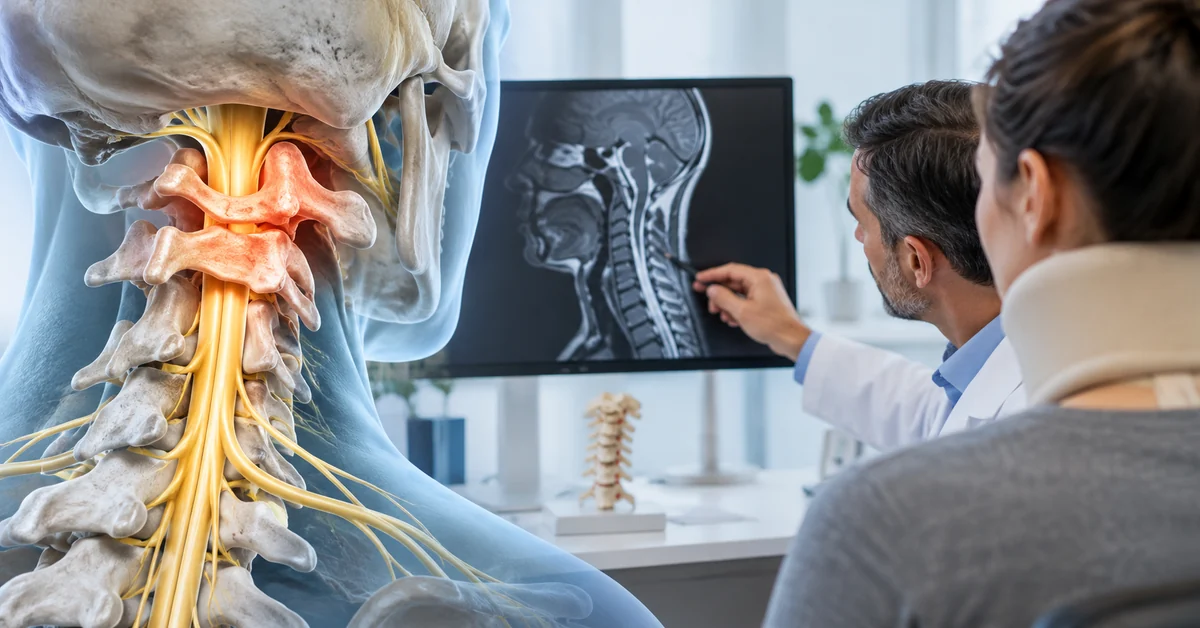
Yes, a severe C2 fracture can cause paralysis if the spinal cord becomes compressed or damaged. Because the injury occurs high in the cervical spine, complications may affect breathing, arm movement, and lower body function.
Incomplete spinal cord injuries may allow partial recovery, while complete injuries can result in permanent paralysis. Immediate medical treatment significantly improves the chances of preserving neurological function.
Key Takeaway: Spinal cord involvement is the most serious complication of a C2 fracture and may lead to permanent disability.
When to Seek Medical Attention
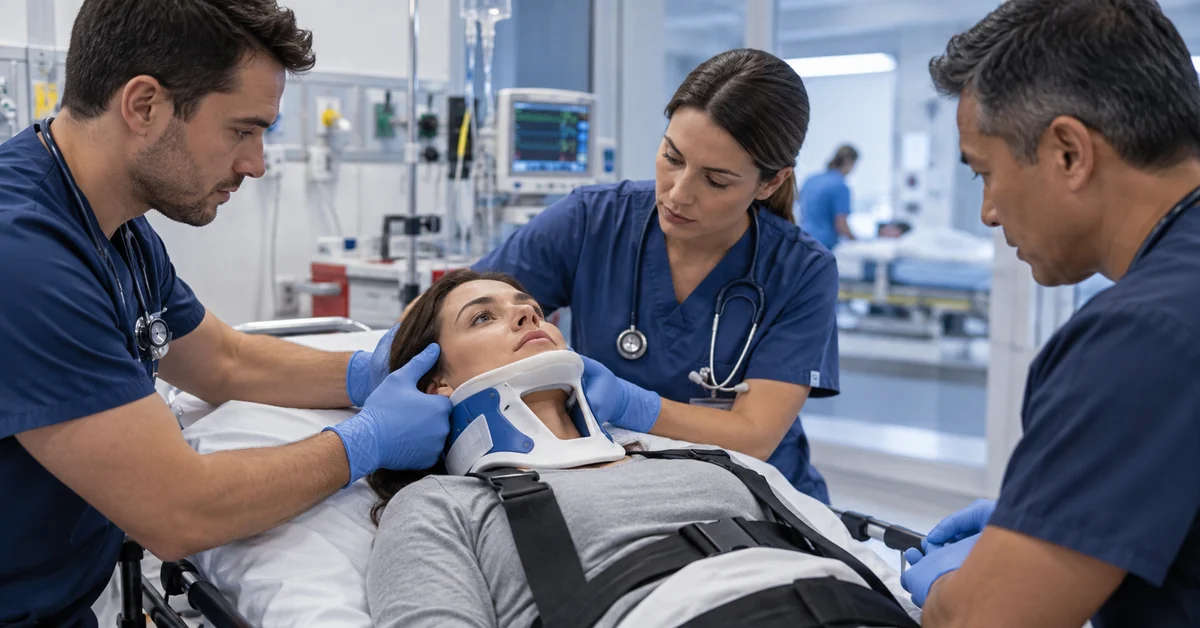
Anyone experiencing neck pain after trauma should seek emergency medical evaluation immediately. Delayed treatment increases the risk of spinal instability and neurological damage.
Seek emergency care if symptoms include:
- Severe neck pain
- Loss of movement
- Numbness or tingling
- Trouble breathing
- Weakness in the arms or legs
- Loss of consciousness
Avoid moving the injured person until medical professionals stabilize the neck.
Key Takeaway: Immediate medical care after neck trauma can prevent life-threatening complications and permanent spinal damage.
Final Thoughts
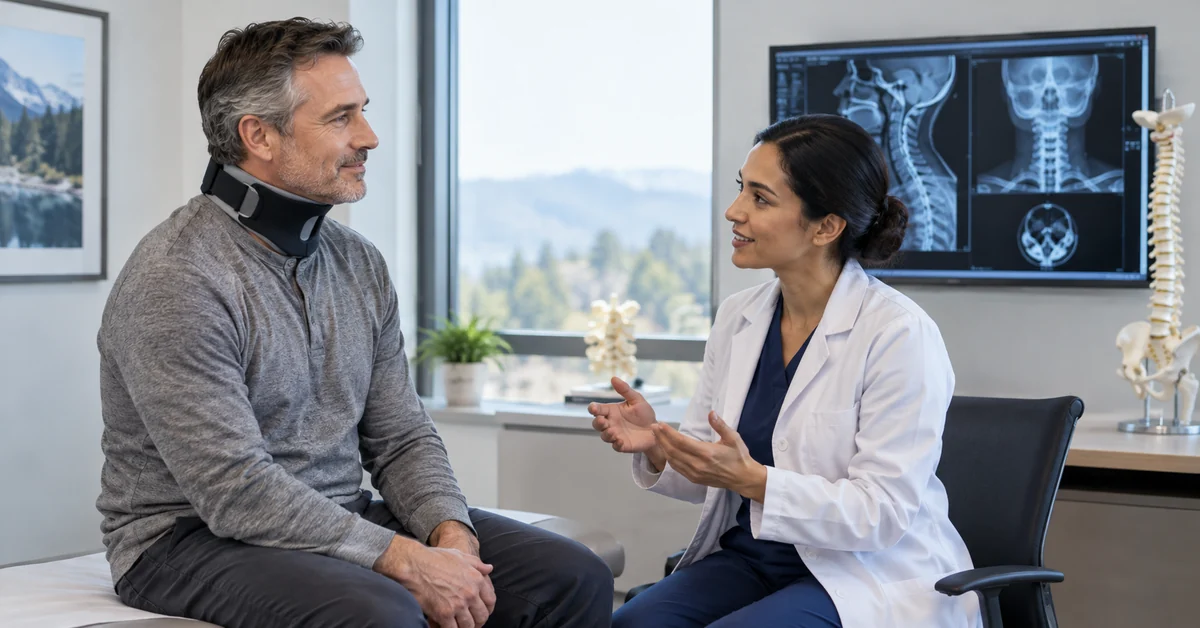
A C2 fracture is one of the most serious injuries affecting the cervical spine. While many patients recover with prompt treatment, the long-term effects of a C2 fracture can continue long after the bone heals. Chronic pain, reduced mobility, neurological symptoms, and emotional stress are all possible outcomes after a broken neck injury.
Understanding the symptoms, treatment options, and recovery process helps patients seek early care and improve their long-term outlook. Immediate medical evaluation after any neck trauma remains critical for preventing permanent spinal cord damage.